
By February, winter feels different.
It’s no longer cosy. It’s grey and damp. In London especially, the light flattens and the days blur. You start craving something brighter. I know many people across Europe feel the same at this point in the year.
For me, coffee becomes a form of travel. A way of shifting climate without leaving the room.
Kinini Anaerobic feels like a tropical holiday in winter. Vibrant fruit rises clearly, sweetness follows, and everything settles into calm balance. It brings colour back into grey days. Expressive, but grounded. Complex, but integrated.
It’s also a coffee that carries a longer journey.
Steady.
Built to endure.
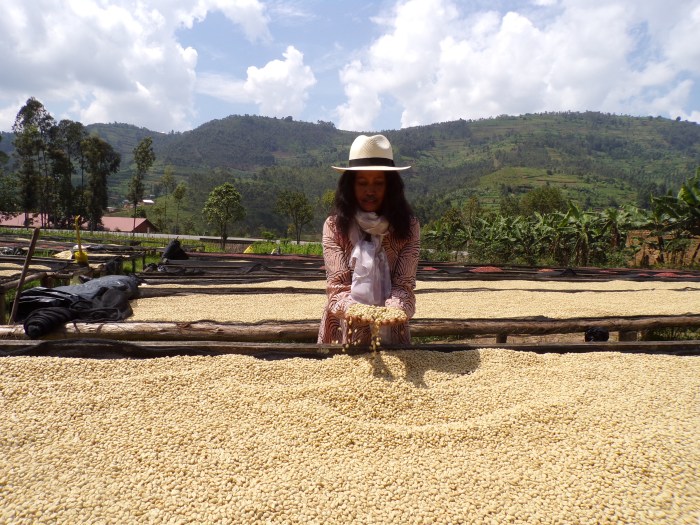
I first encountered Kinini while I was Head of Quality at DR Wakefield. DR Wakefield has long worked with the washing station, and that’s how I met Jackie Turner and learned the story behind the project directly from her.
At the time, we were buying washed lots. There was no anaerobic yet. The focus was clarity, structure, and steady development. Jackie spoke about building something sustainable, something that could stand on its own rather than rely on donation cycles. Coffee was never meant to be a side project. It was the future.
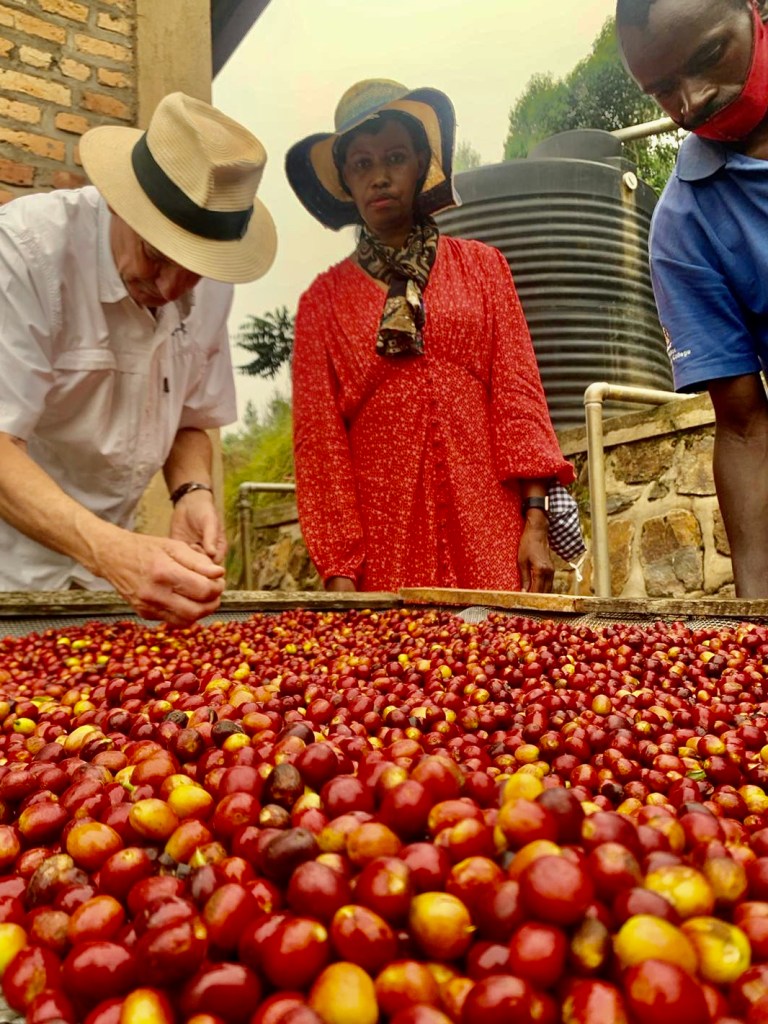
Then the naturals began to appear. That shift was exciting. It showed experimentation and confidence. It showed a project that was growing.
Kinini itself grew from A New Beginning, founded in 2008 to support widows and orphans affected by the 1994 genocide in Rwanda. Jackie was instrumental in shaping its transition into a sustainable coffee enterprise in 2012. Instead of remaining dependent on short-term relief, the project evolved into a system built on quality, trade, and long-term stability.
Ten percent of profits continue to fund local education and healthcare initiatives, but the deeper impact lies in the model itself. Farmers earn through quality. Infrastructure grows through value. Progress is built through consistency.
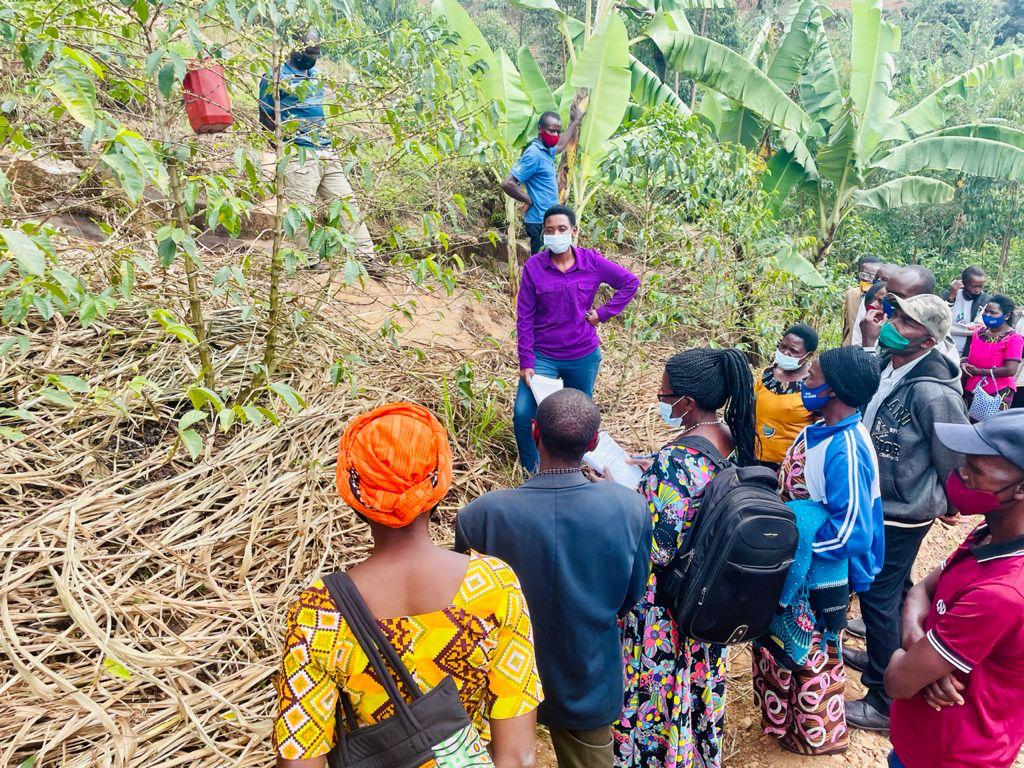
That philosophy has always resonated with me. Doing good in coffee should not feel like charity marketing. It should feel like competence, dignity, and longevity.
When the team at DR Wakefield reached out this year to say they had something new from Kinini that finally felt ready, an anaerobic lot refined over several seasons, it felt aligned. Not just because of the cup, but because of that arc.
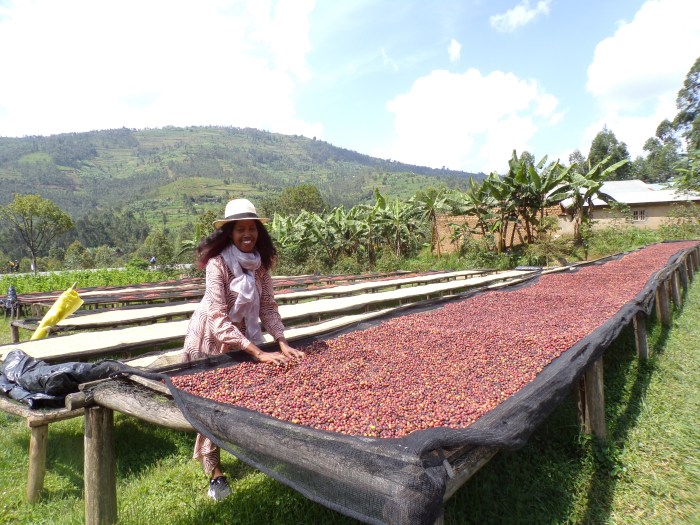
Whole cherries are sealed inside GrainPro bags for anaerobic fermentation, creating a controlled, oxygen-limited environment where flavour develops evenly. After fermentation, the cherries are dried slowly on raised beds, with shading during peak heat to protect sweetness and preserve balance.
We chose to bring that process into the trading card artwork, showing the Triceratops carrying sealed GrainPro bags across her back, one foot lifted mid-step. The image reflects what’s happening in the coffee itself, movement within structure, energy contained rather than uncontrolled.
The result is tropical and expressive, pineapple opening into strawberry and lychee, softening into mango lassi, with vanilla aromatics and a warm golden syrup undertone, yet fully integrated. It’s bright enough to lift the mood in late winter, grounded enough to stay comforting and drinkable every day.
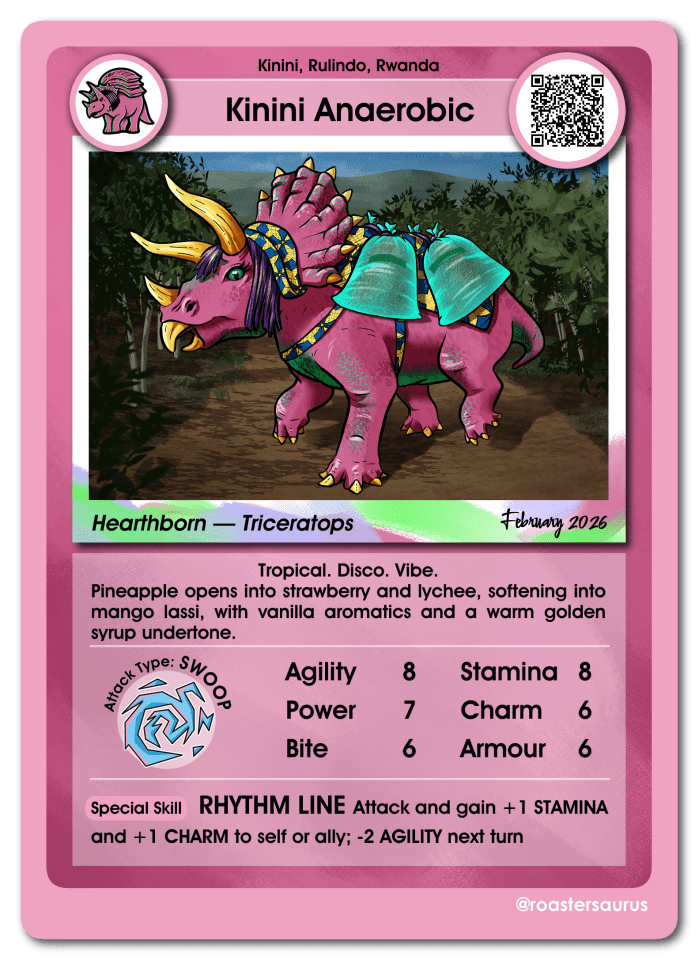
In the Roastersaurus system, this became the first Hearthborn of the new deck. Hearthborn coffees are defined by cohesion. They hold the field rather than dominate it. They allow complexity to exist without collapsing into noise.
That felt right here.
Kinini Anaerobic isn’t trying to impress. It’s built. Refined over seasons. Shaped by relationships, from Jackie and the early washed lots, to today’s anaerobic refinement, that have evolved alongside my own journey in coffee.
And in February, when spring still feels distant, that kind of brightness, steady and assured, is exactly what I reach for.
Kinini Anaerobic is now live.
Tropical. Disco. Vibe.
 Roastersaurus