
Quickfang• Raptor• Stealth
Speed is clarity. And clarity cuts.
The first fruits for Guada
The Raptor at Pedacito de Cielo
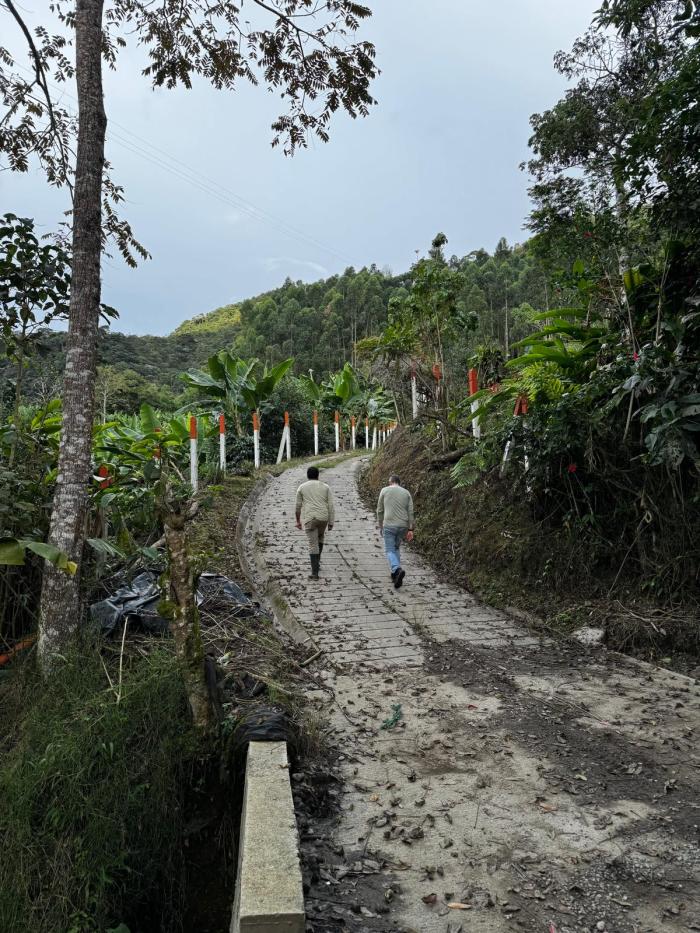
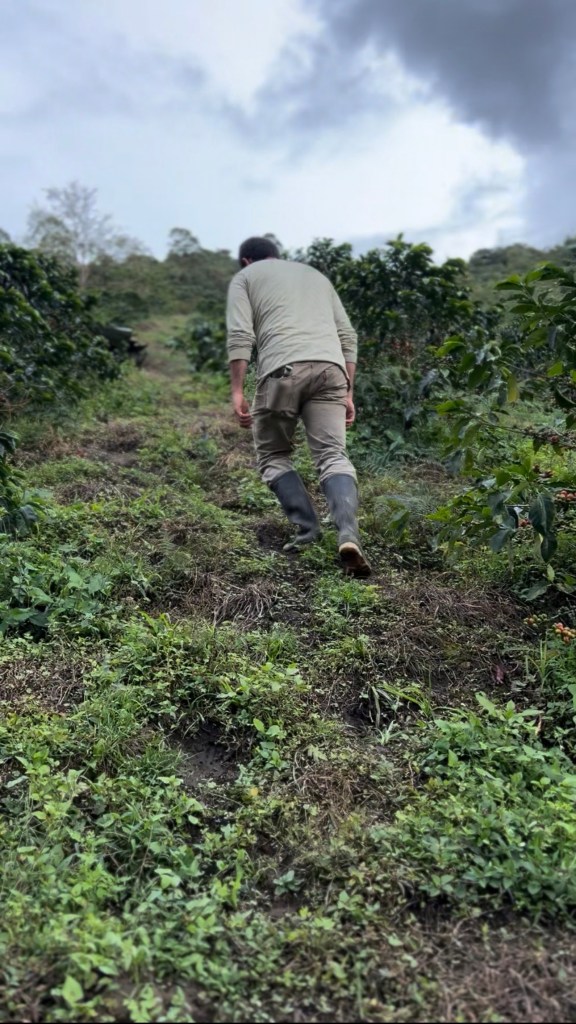
Some Roastersaurus coffees begin on a cupping table. Guadalupe began with a climb.
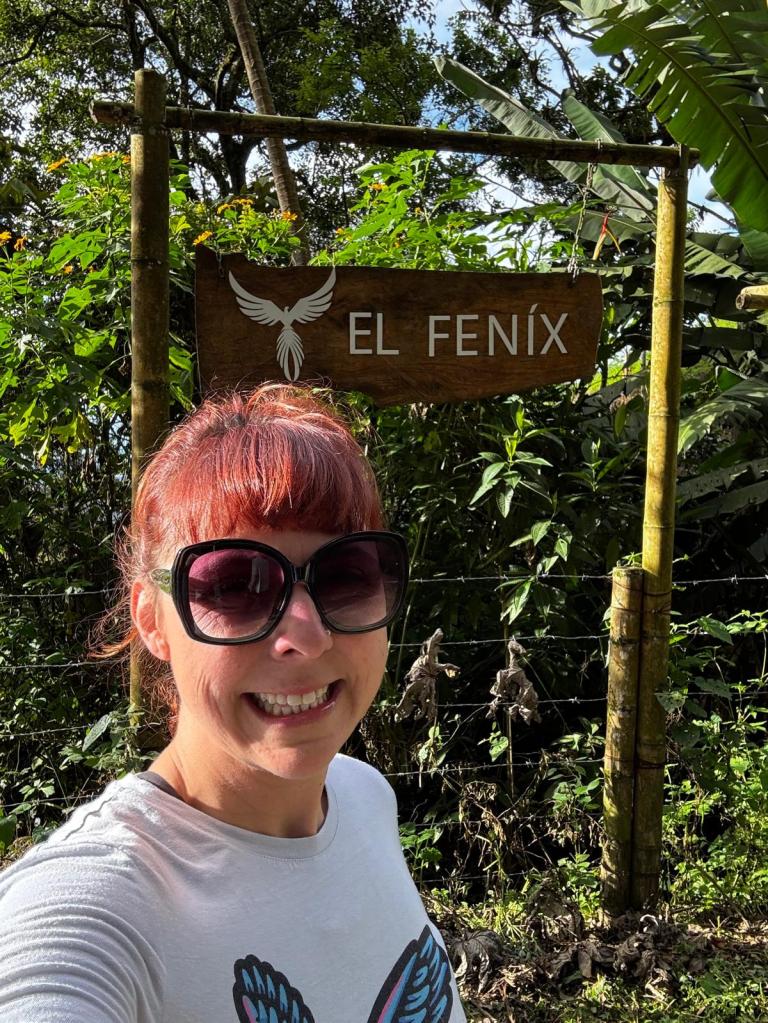
To place this coffee properly, we need to come back to Colombia, but only for a moment. This is one chapter from the same origin trip that brought the Avelino coffees into Roastersaurus: the Santuario table, the blind choices, the blue barrels, the 10 Day Raptor and 19 Day T-Rex. Those coffees have their own story, and I have linked them for anyone who wants to follow the path back, but you do not need that whole story to arrive here. The important thing is the movement: after Santuario, the trip carried on into Quindío, to El Fénix, and then higher again, up toward Pedacito de Cielo.
Pedacito de Cielo
El Fénix is important because it sits at the edge of this story. It was where I was staying for this part of the trip, where Miguel Fajardo Mendoza works in and around the wider Raw Material Colombia world, and where the Pink Bourbon seedlings for Guadalupe’s lot came from. But as the road keeps climbing, the story changes scale. Guadalupe’s Pink Bourbon grows above El Fénix at Pedacito de Cielo, Miguel and Andrea’s own home farm, where coffee is planted around the house and the origin story becomes a family story.
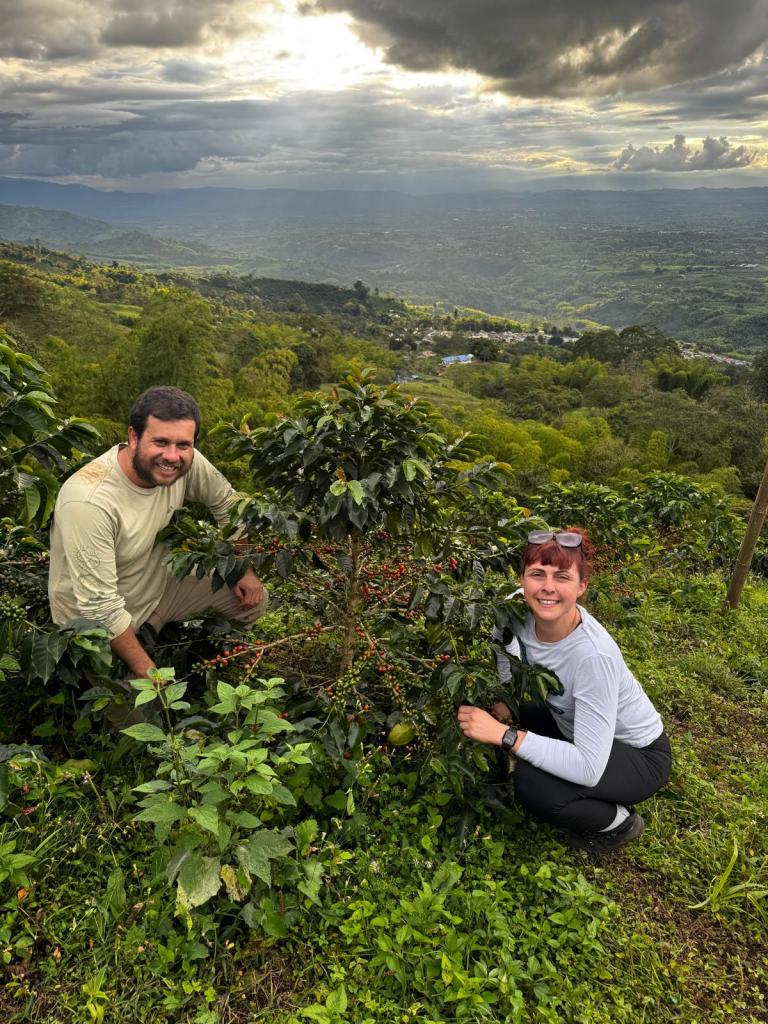
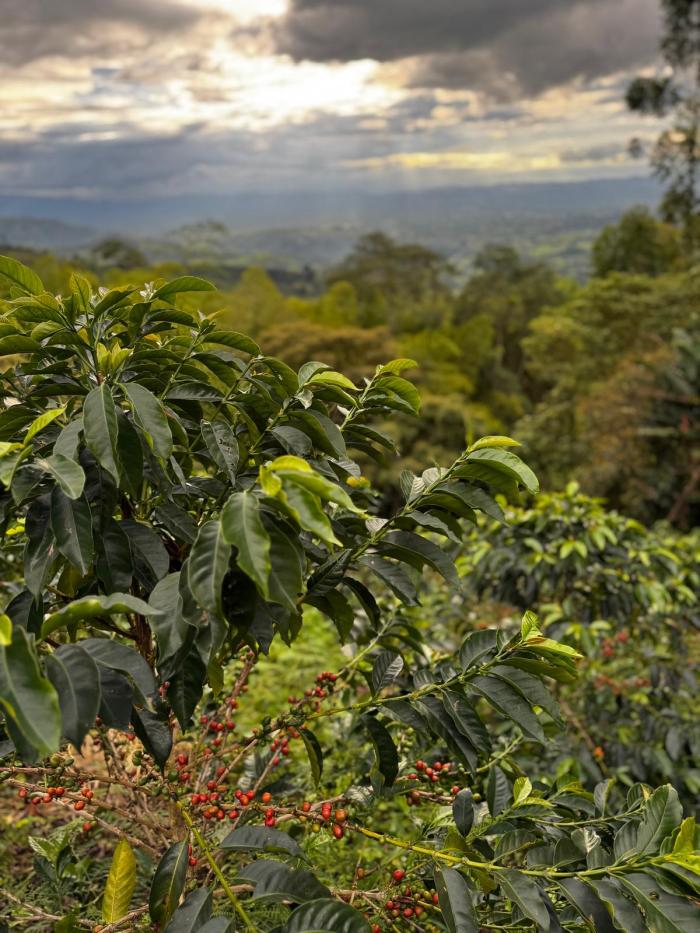
Pedacito de Cielo means piece of sky, and honestly, the name does a lot of work before anyone explains it. The farm sits high on a hillside above El Fénix in Calarcá, Quindío, and you feel the place before you have the tidy words for it: the slope, the altitude, the breath in your chest, the way the view opens out after the climb. It did not feel like being shown an anonymous plot of land. It felt like being invited into the place where Miguel, Andrea, and Guadalupe live, with coffee trees growing around the home and everything sitting up there in the sky.
For Guada
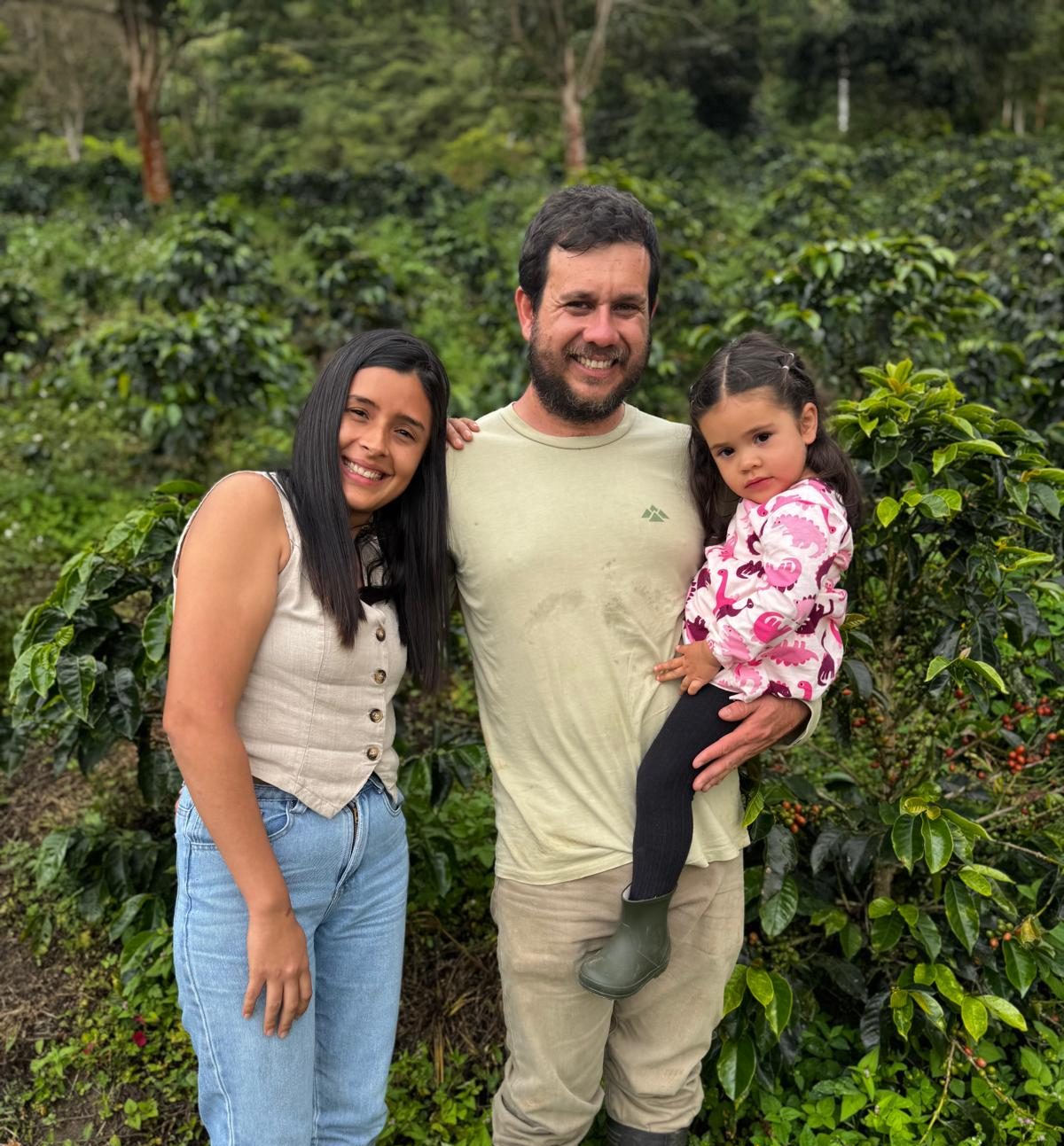
That is where Guadalupe’s Pink Bourbon begins. Miguel and Andrea planted 4,000 Pink Bourbon trees at Pedacito de Cielo in August 2023, at the same time their daughter Guadalupe was born. They call her Guada for short. The coffee is named after her, the trees were planted as she arrived into the world, and this release comes from one of the first small pickings before the first main harvest has fully arrived.
But the thing that matters most is not only that the coffee carries her name. It is that Miguel is building something for Guada to grow beside. In coffee, that is not small. So much of the future of farming sits inside a difficult question: will the next generation see coffee as a life they can choose, or as something they need to leave behind? Miguel spoke about wanting Guadalupe to know coffee differently: as a beautiful farm, a family business, a crop sold for its quality, and a way of being connected to people all over the world who drink what you grow and care where it came from.
That is why for Guada feels like the centre of this release. Miguel’s naming story connects Guadalupe with river of love, and Guada Café, the Colombian project carrying her name, carries the same little current in its public words: for Guada, their little river of love. Once you know that, the card starts to feel less like a character placed onto a coffee and more like the coffee showing you its heart.
The Art
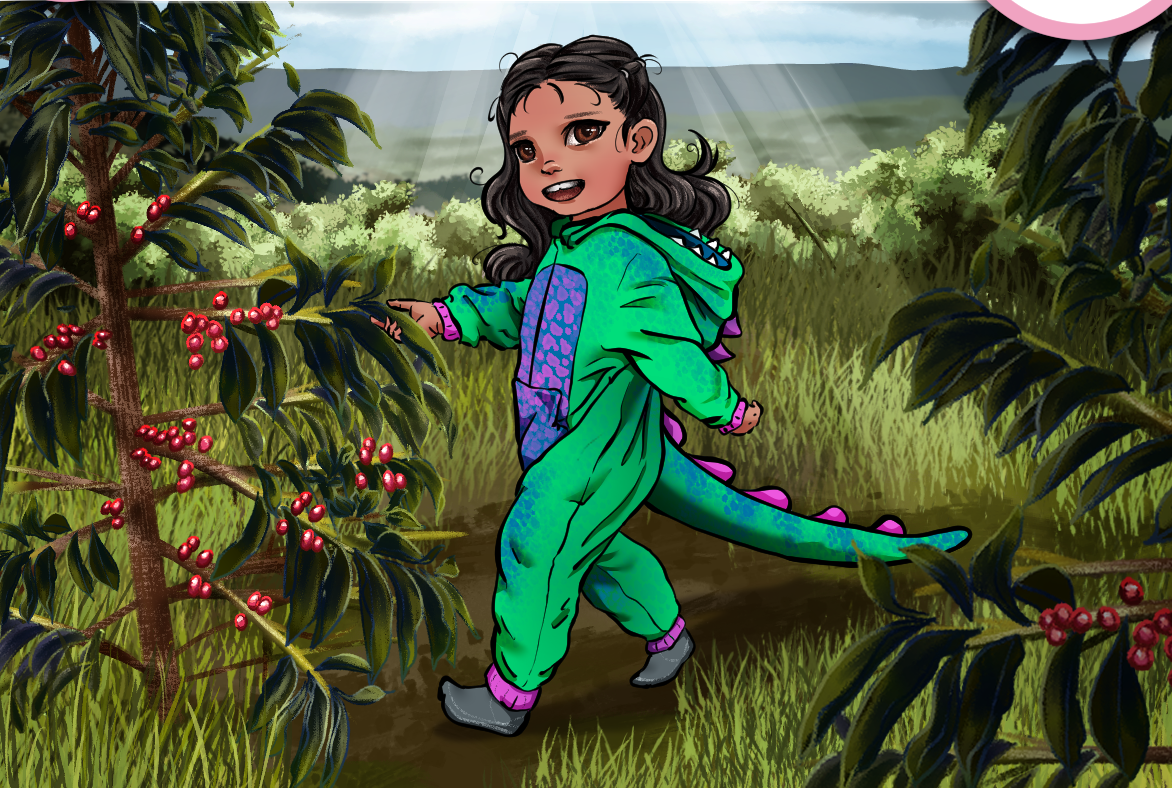
The art had to stay close to that heart, partly because the real story was already wearing the costume. When I visited Pedacito de Cielo, Guadalupe had dinosaur clothes on, which is not the kind of detail Roastersaurus is going to leave sitting quietly in a folder. So yes, on the card she is wearing the raptor onesie. And yes, it is very cute. But it is cute in that very Roastersaurus way, where the small funny thing is also the thing that makes the whole release suddenly click.
Kitsukaizen’s artwork turns Guadalupe into the tiny guardian of the Pink Bourbon planted around her family home. She is tending the trees, sitting inside the world of the coffee rather than floating outside it as a mascot. The Raptor comes from the cup, from the washed clarity and bright fruit, but the character comes from Guada herself: small, quick, playful, and at the centre of this first-fruits story.
That is how the card stays honest. Roastersaurus is not trying to pull the coffee away from its origin and turn it into fantasy for the sake of it. It starts with the real person, the real farm, the real process, and the real cup, then lets the creature show the shape the coffee already had.
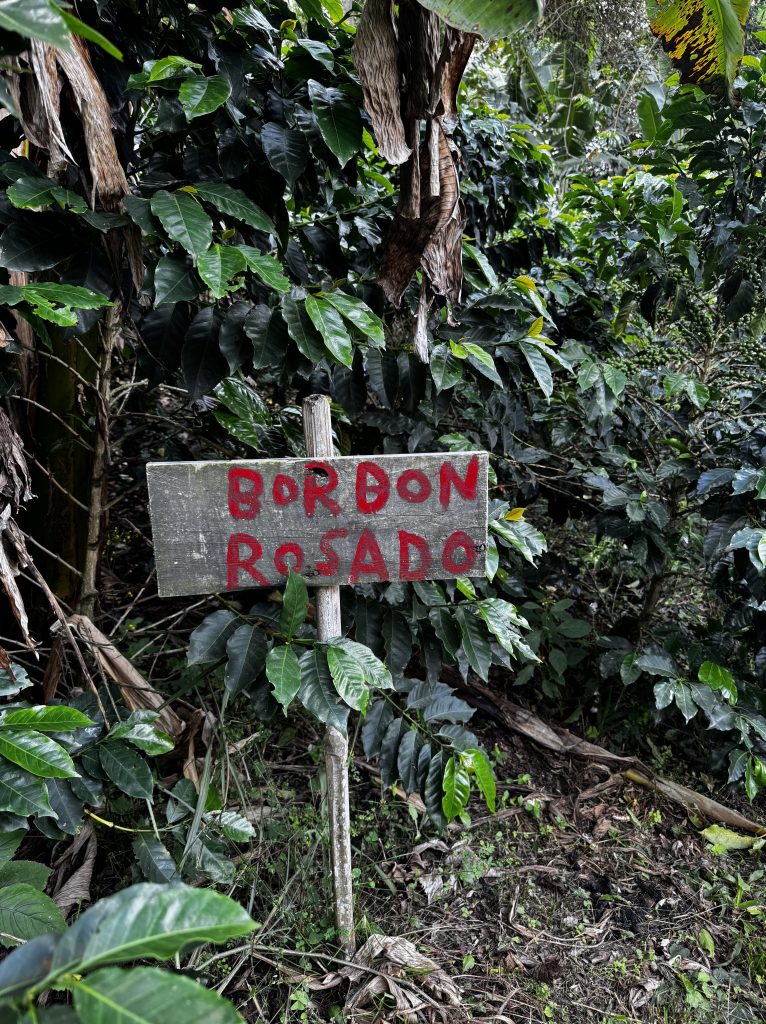
The Coffee: Traditional Washed Pink Bourbon
The coffee itself has enough intrigue to stand beside the story, not underneath it. Miguel sits in a fascinating part of Colombian coffee, connected with Raw Material Colombia and El Fénix, where there is work around producer relationships, wet-mill practice, rare varieties, training, and experimentation in Quindío. That world matters because it helps explain how this coffee came to be, but Guadalupe’s Pink Bourbon still belongs to Pedacito de Cielo.
Miguel and Andrea selected Pink Bourbon material from El Fénix because they had seen strong productivity and very good taste, then planted it above El Fénix at Pedacito de Cielo. Miguel described El Fénix as an agroforest system, while Pedacito de Cielo is a more open, sun-facing hillside planting, set up around production, quality, and income for the farmer. So the line from El Fénix to Pedacito de Cielo is real: seedlings, knowledge, Miguel’s work, the wider coffee world around them. But the identity of this coffee belongs to the house, the hillside, and the family that planted it.
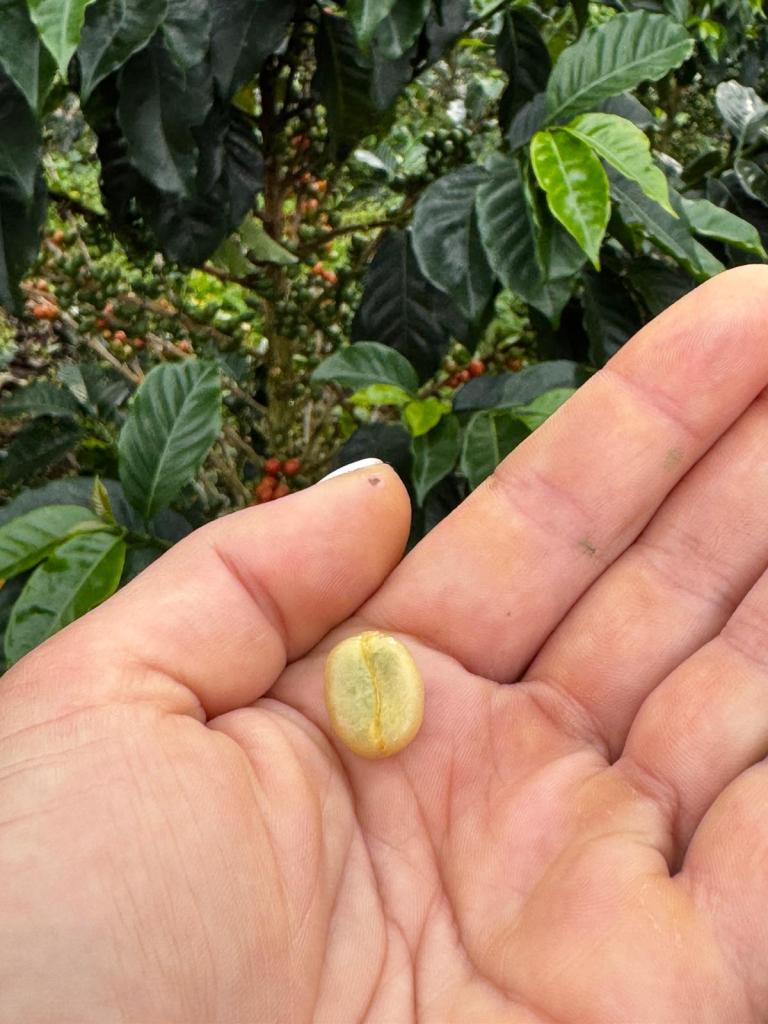
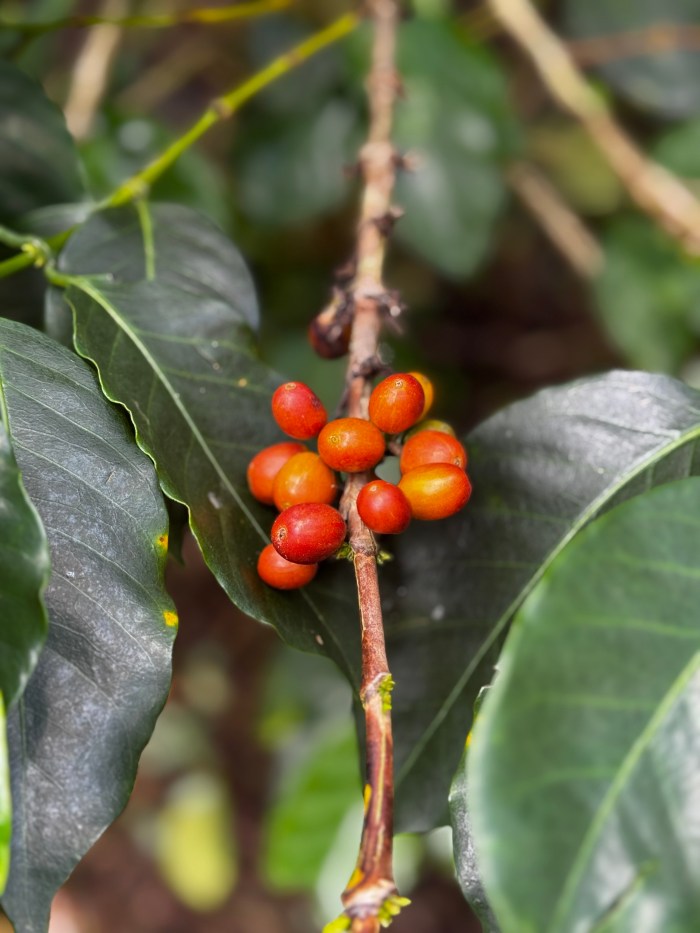
Pink Bourbon carries its own question mark too. In Colombian specialty coffee, it is sought after for expressive fruit, florals, sweetness, and cherries that can ripen toward pink and orange tones. It has often been described as a Bourbon colour variant, or as a possible natural cross between Red Bourbon and Yellow Bourbon, but the tidy version of the story is not the only one. Genetic testing reported by Cafe Imports has complicated the picture, with some tested Pink Bourbon material appearing closer to Ethiopian landrace material than to Bourbon.
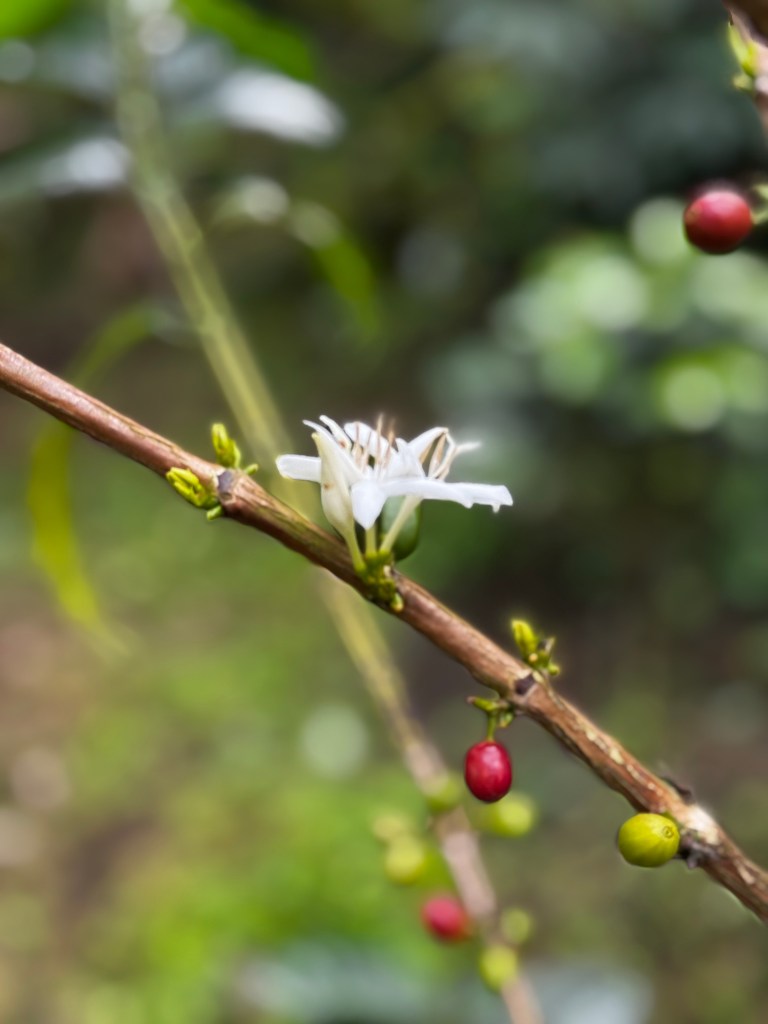
I love that the variety carries a little mystery inside it. For Guadalupe, the useful part is not solving Pink Bourbon once and for all; it is following what Miguel selected, where he planted it, and what the cup is already showing. The trees were planted at around 1,900 masl, with spacing chosen for the farm system: 1.8 metres between rows and 1.2 metres between trees. The first main harvest is expected in October 2026, when the lot should show its highest yield.
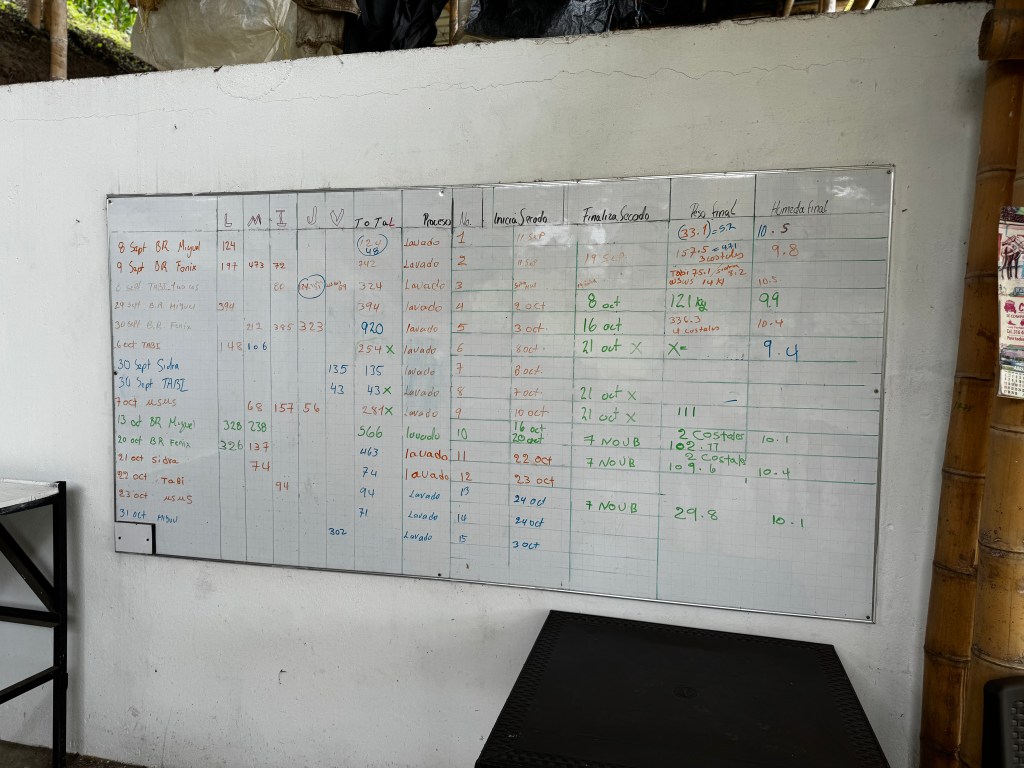
This release comes before that main harvest, which makes it a first picking, a first signal, and a first taste of what the planting is beginning to offer. Miguel processed the coffee as a traditional washed lot, with no long or extended fermentation, because he wanted to understand the terroir and the variety first before exploring what fermentation might change later. That decision keeps the cup transparent: the red and pink fruit stays clear, the florals stay gentle, and the cucumber-melon finish gives the coffee its cool, composed line.
Cup Character
Pimm’s. Garden. Party.
The cup sits in that garden-party space because it has fruit, perfume, and a cool finish without becoming loud. It moves around red and pink fruit, with raspberry, strawberry, pink grapefruit, and sometimes deeper black cherry giving the bright line. Peach and apricot bring the stone-fruit softness, gardenia and lily sit in the aromatics, and melon and cucumber carry the finish into something cool and quietly composed.
That is where the Raptor makes sense. Guadalupe’s Pink Bourbon does not win by weight. It moves through clarity: traditional washed structure, bright fruit, soft florals, and a finish that keeps travelling after the sip. It has Bite without becoming brutal, Stamina without becoming heavy, and enough charm to make the whole thing feel like a garden party with claws.
Stat Breakdown
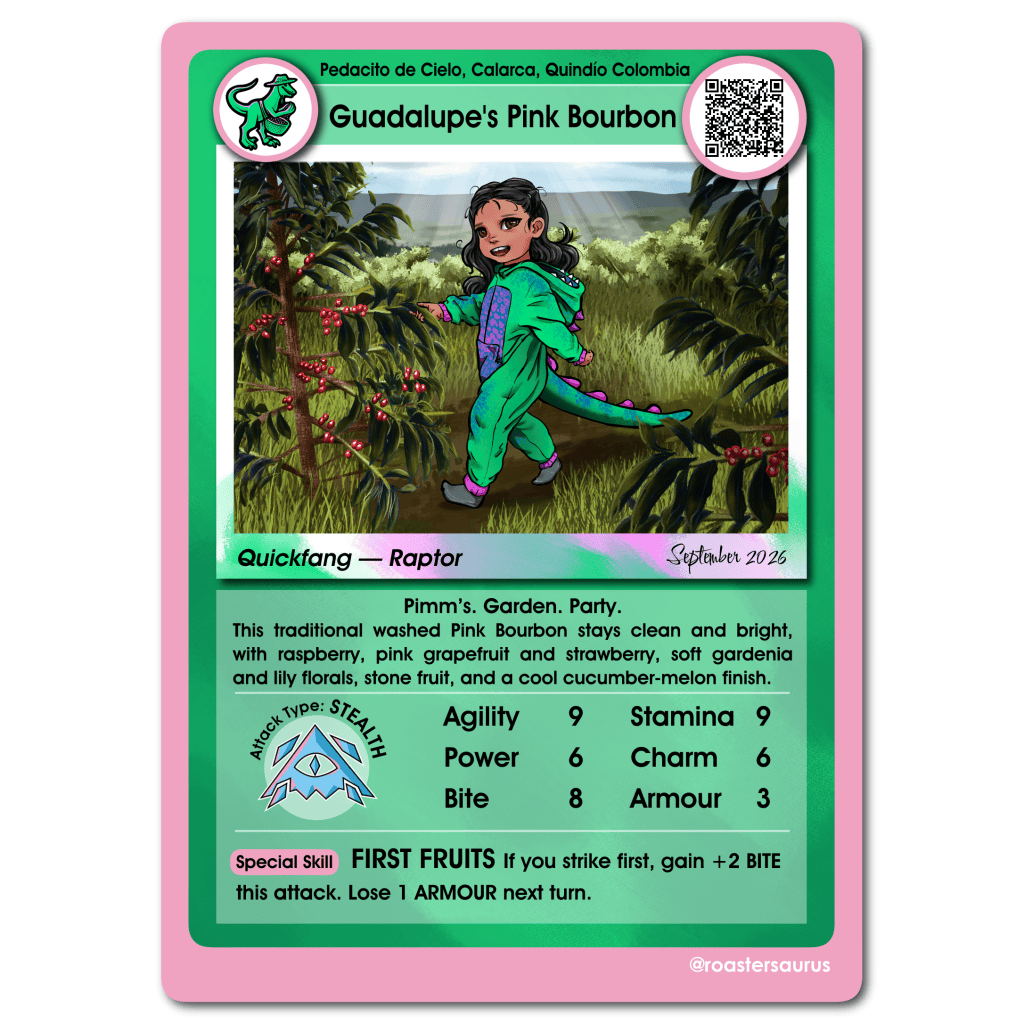
Agility 9 (Acidity) → Washed clarity, bright fruit, and a cup that moves quickly without feeling frantic.
Power 6 (Body Weight) → More precision than weight; the coffee is carried by shape and brightness rather than density.
Bite 8 (Tactile Edge) → Pink grapefruit, raspberry, and strawberry give the Raptor its clean attacking edge.
Stamina 9 (Aftertaste) → The cucumber-melon finish and lingering fruit keep the cup moving after the first sip.
Charm 6 (Sweetness) → The florals and family story are beautiful, but the cup stays Quickfang rather than Charmcaster.
Armour 3 (Structure) → A transparent coffee with very little heaviness to hide behind.
Special Skill: First Fruits
Quickfangs are built around timing. They do not need to dominate the whole match if they can move at the right moment, strike cleanly, and make the opponent respond. Guadalupe’s skill needed to carry that same feeling while staying tied to the real coffee: a first-fruits picking before the main harvest, small in quantity but full of early signal.
FIRST FRUITS: If you strike first, gain +2 BITE this attack. Lose 1 ARMOUR next turn.
The strength is in the opening. The cost is exposure. That matters because Guadalupe already has low Armour, so the move has to be timed with care. Push early and the Raptor can cut through the round with extra Bite, but she becomes more vulnerable afterwards. It fits the cup and the story: bright, quick, promising, and still young enough to feel beautifully exposed.
Through the Card
If you arrived here by scanning Guadalupe’s Pink Bourbon, welcome to the next layer of the release.
Each Roastersaurus card is a way back into the coffee: the real place, the producer, the cup character, the artwork, and the way flavour becomes part of the game. Guadalupe begins at Pedacito de Cielo, Miguel and Andrea’s piece of sky above El Fénix, where Pink Bourbon trees were planted around their family home.
This release is a small first-fruits picking before the main harvest, and the card catches that first movement: a tiny Quickfang Raptor shaped by traditional washed Pink Bourbon clarity, red and pink fruit, soft florals, a cool cucumber-melon finish, and Miguel’s story of a name held as river of love.
Roastersaurus coffees are released once for each harvest and moment in time. Every card reflects the coffee it represents, translating flavour, structure, and movement into creature form. Hold onto your cards as your deck grows. Each release adds another creature, another cup, and another piece of the game waiting to unfold.

