
It’s been a while since I’ve ventured into something a bit geeky, and given that I’ve roasted the last batch of TR4 Anaerobic Specialty Robusta last year, this one feels overdue. Today, we’ll explore Robusta—something we haven’t covered as much in previous blogs, but it’s about time we do so, especially in the context of specialty coffee. Before we get into that, let’s quickly recap some of the key topics we’ve covered before, as they’ll help provide some important context for today’s discussion.
A Quick Recap
About a year ago, I released ‘An Introduction to Breeding and Coffee Plant Genetics’, a blog that covered the basics of plant breeding and genetics in coffee. If you haven’t already read it, I highly recommend it, as it’s a great way to understand how Arabica coffee came about, why it was a unique event, and the different waves of breeding that followed. The post concluded with an introduction to F1 Hybrids, showcasing them as an example of the third wave in coffee plant genetics.
I followed that up with ‘An Introduction to Selection, Stabilization, and Propagation’, where we explored how an F1 Hybrid is created, why stabilizing it is so difficult, and how stabilization is achieved. This piece goes into propagation, which will be useful for understanding some of the upcoming points about Robusta cultivation. If you haven’t read it yet, go ahead and check it out for some important context.
Robusta vs. Arabica
Now, let’s dive into the differences between Arabica and Robusta, both from a cup and genetic perspective. Most of our previous blogs have focused on Arabica, so it’s important to understand how Robusta fits into the picture.
Robusta, or Coffea canephora, is actually the parent of Arabica, and it has played a significant role in the development of the coffee industry. Vietnam remains the largest producer of Robusta, and its market share has grown over the past 50 years, largely due to its resistance to Coffee Leaf Rust (CLR). This resistance has allowed Robusta to thrive where Arabica may struggle.
Robusta’s Key Characteristics
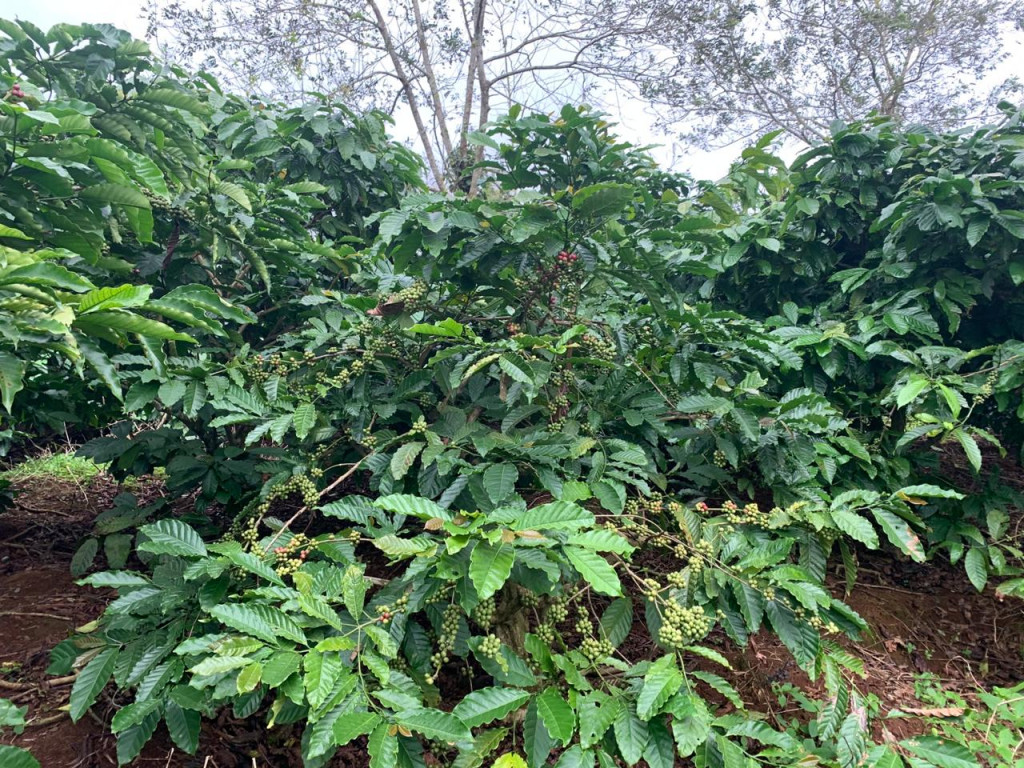
Robusta trees can grow up to 10 meters tall, making them quite different from Arabica’s more compact structure. They thrive in lowland regions and are ideal for areas with higher temperatures, typically between 16-24°C. In fact, research over the past few years has shown that Robusta can be grown successfully in a narrower temperature range than previously thought.
Cultivating Robusta
In terms of cup profile, Robusta is often seen as having less complexity compared to Arabica. It’s generally described as having more undesirable attributes, like a more astringent or earthy flavor. However, for years, there hasn’t been much focus on improving Robusta quality, as it’s typically priced lower than Arabica. That’s beginning to change, though, as producers are starting to see the potential in Robusta when it’s given proper care.
Canephora, the species that Robusta belongs to, requires a different cultivation approach than Arabica. Unlike Arabica, which is self-pollinating, Robusta must be cross-pollinated to produce seeds. This results in a significant amount of genetic diversity within Robusta populations because it involves the crossing of genetically different parents.
As a result, Robusta doesn’t have the same established varieties like Arabica does. Instead, we refer to genetic groups of Robusta based on the regions where they are cultivated, such as Nganda in Uganda or Kouilou in Central Africa. These are not natural varieties but rather forms that have been characterized based on their unique genetic makeup.
Because of the genetic diversity in Robusta, propagation through seed tends to result in even more variability. To mitigate this, vegetative cloning (like grafting) is a much more reliable method for maintaining desirable traits, as it ensures more uniformity in the progeny.
Genetic Groups of Robusta
When we talk about Robusta in genetic terms, it’s important to note that it’s more commonly discussed in terms of genetic groups rather than varieties. There are five major genetic groups of Canephora, based on their natural distribution:
- Group A: Found in Congo and Cameroon (S)
- Group B: Found in Central Africa
- Group C: Found in Central Africa and Cameroon (SE)
- Group D: Found in Guinea and Ivory Coast
- Group E: Found in the Congolese region
In places like DR Congo, Uganda, and Central Africa, Robusta varieties like Nganda and Kouilou are used as references for different cultivars. Interestingly, in Brazil, the name Kouilou is often used to describe a similar form of Robusta, known as Conilon.
DNA sequencing has become an essential tool in identifying and classifying these groups. By comparing the genetic sequences of different Robusta populations, researchers can understand how closely related they are, which helps in identifying their traits and mapping their distribution.
Robusta’s Role in Coffee Breeding Waves
Robusta has played a central role in one of the key waves of coffee breeding. As we’ve discussed in a previous article, coffee breeding has progressed in three major waves, with Robusta being influential in at least one of them. Canephora, in particular, is the parent of Arabica, and it has contributed to the development of hybrid varieties, especially the Timor Hybrid, which played a vital role in creating CLR-resistant cultivars. Robusta is also commonly used as rootstock for grafting Arabica onto, providing added resistance and other benefits.
The development of specialty Robusta coffees, like the TR4 Anaerobic Specialty Robusta I just roasted, is the next step in this process. By focusing on cultivation techniques and post-harvest processing methods, we can create a Robusta that brings forward more desirable flavors and complexity, much like we’ve done with Arabica over the years.
TR4 and the Future of Specialty Robusta
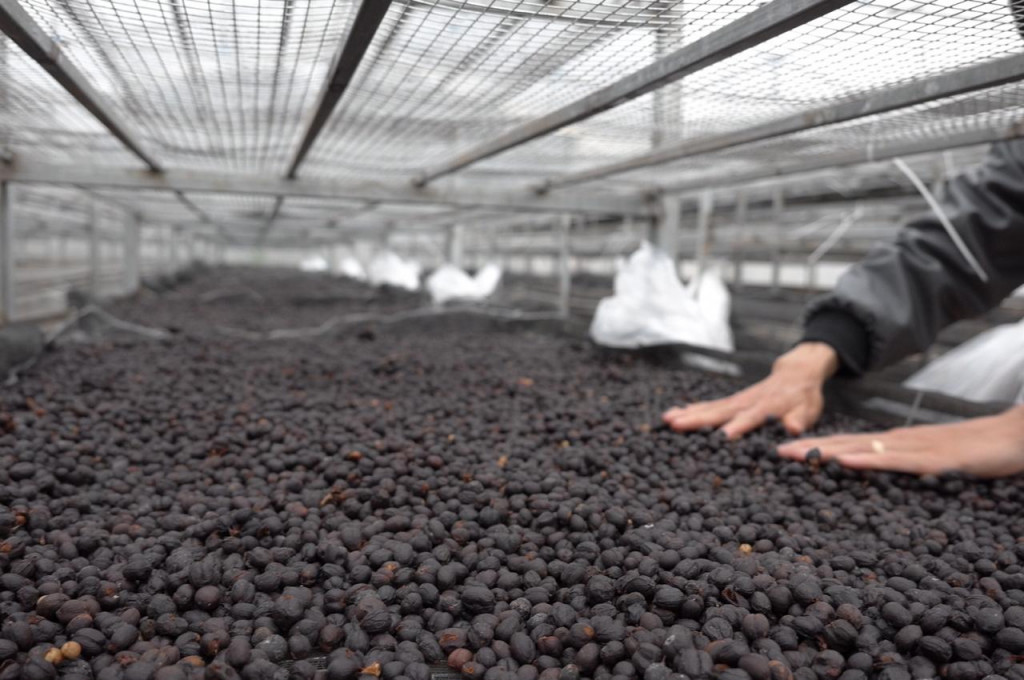
The TR4 Anaerobic Specialty Robusta is a prime example of what can be achieved when we approach Robusta cultivation and processing with the same care and attention to detail as we do with Arabica. With its unique anaerobic fermentation process, this Robusta brings forward a cup that has depth, complexity, and a unique profile that showcases what’s possible when we apply modern techniques to traditionally underappreciated coffees.
In conclusion, while Robusta has historically been seen as a lesser coffee compared to Arabica, it’s clear that there’s a growing movement within the specialty coffee world to explore its potential. From genetic understanding to cultivation methods, there’s a lot more to discover about Robusta—and the future looks bright for this often-overlooked species.
 Roastersaurus