Avelino and the Blue Barrels

Finca El Guadual, remonta washed coffee, and two timelines from one small farm

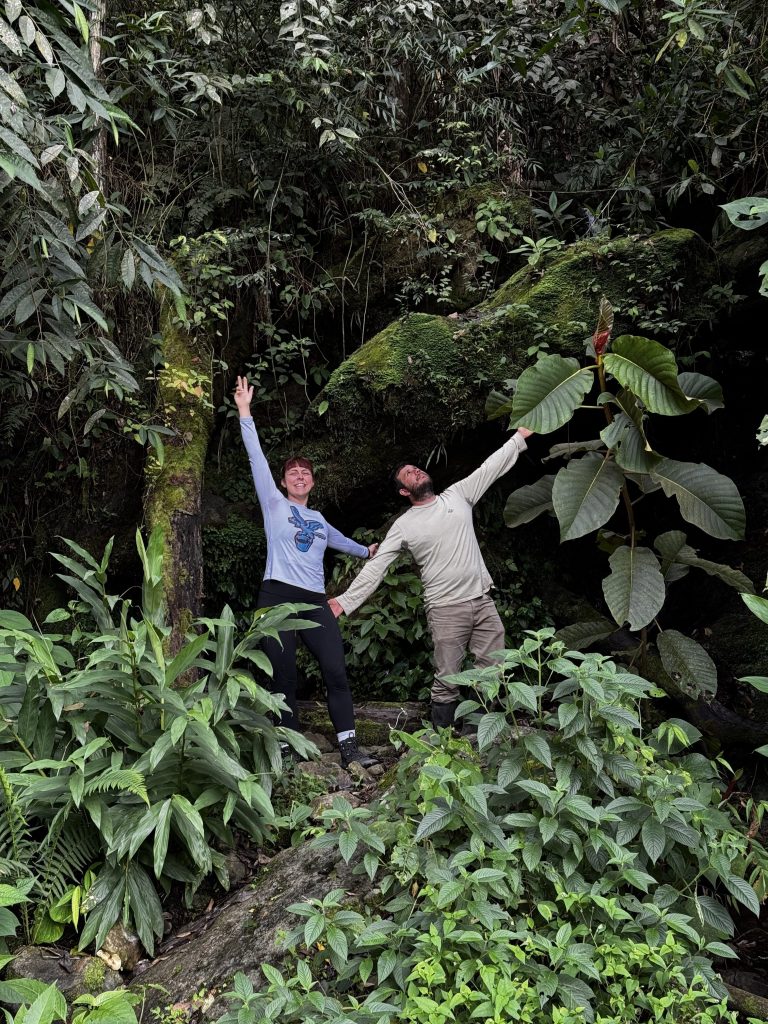
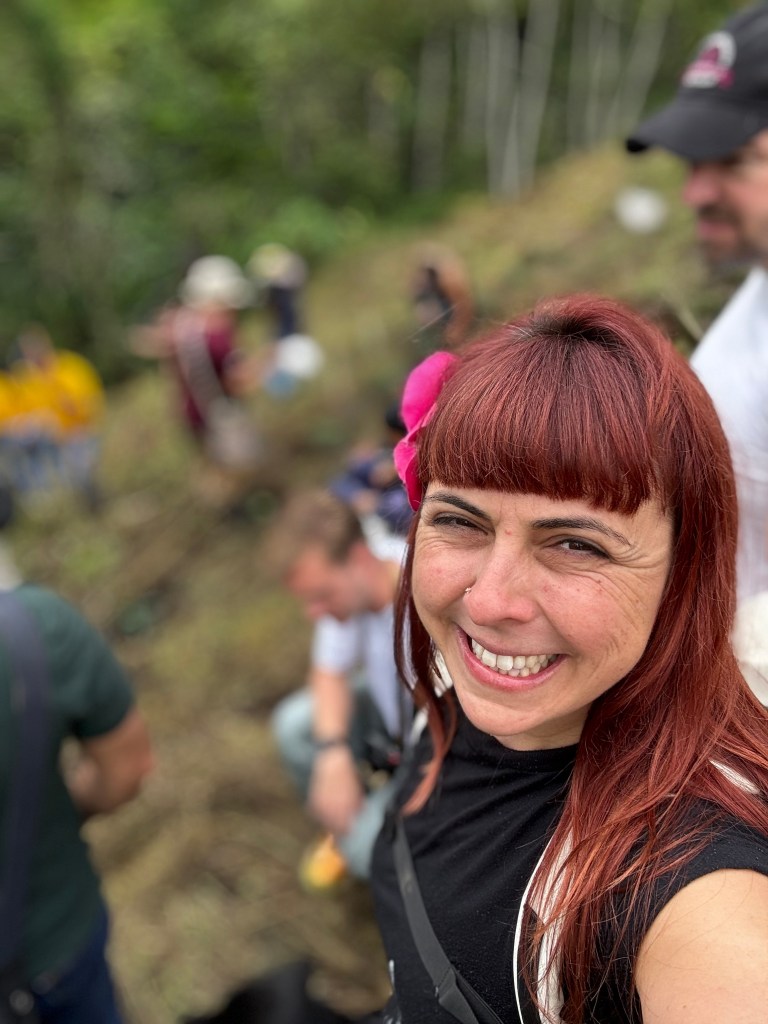
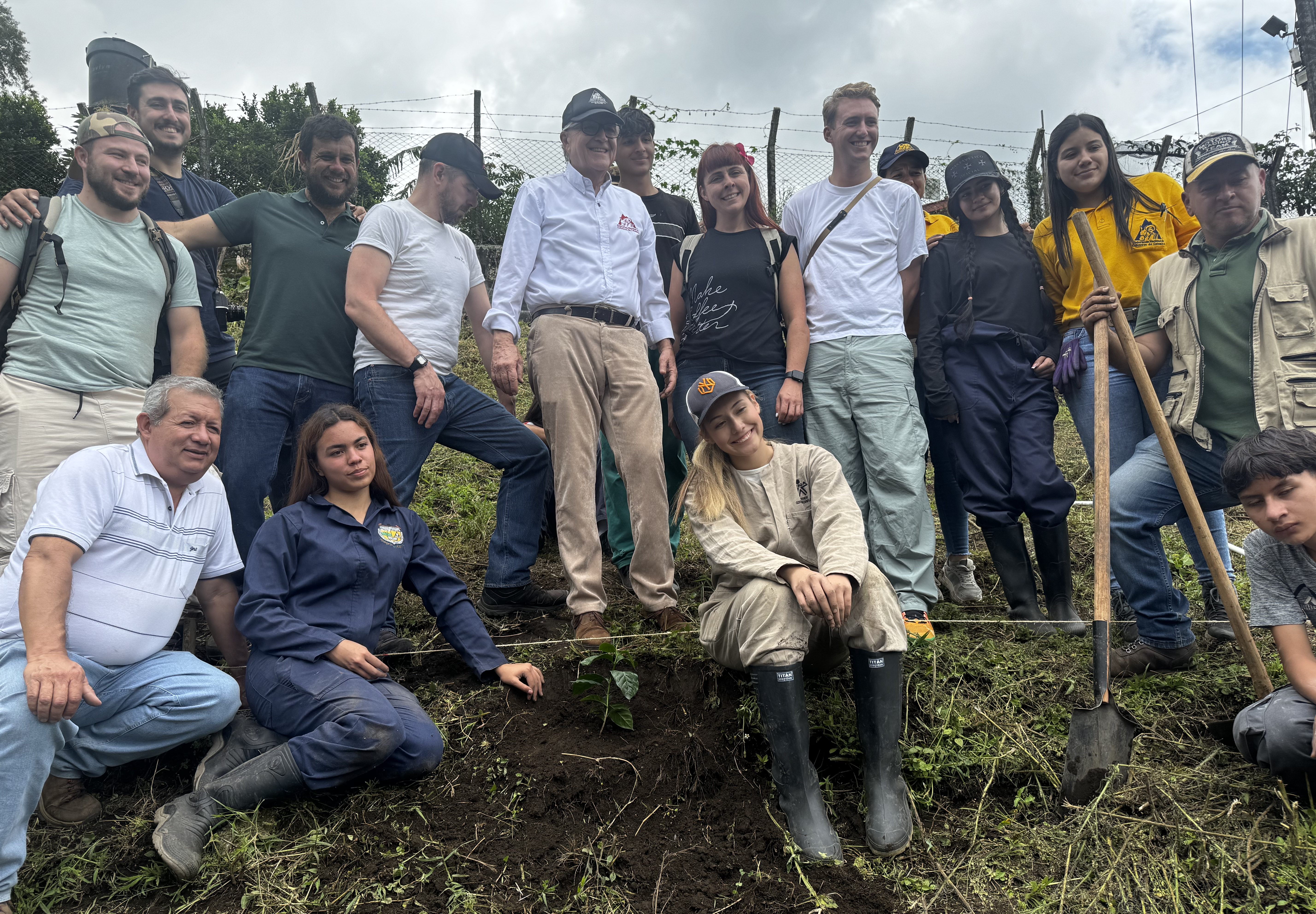
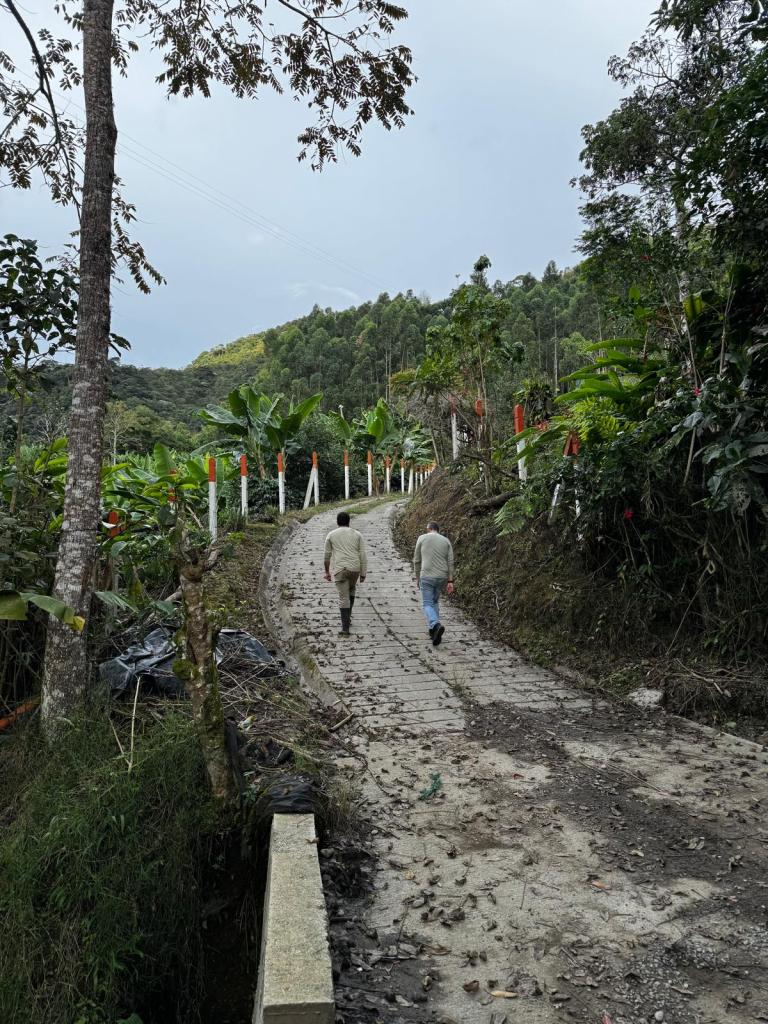
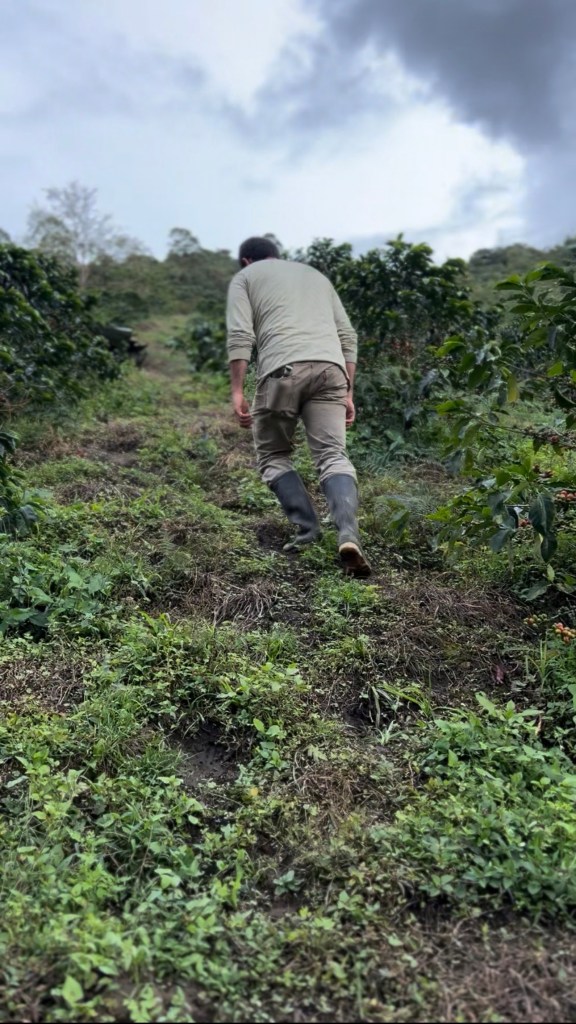
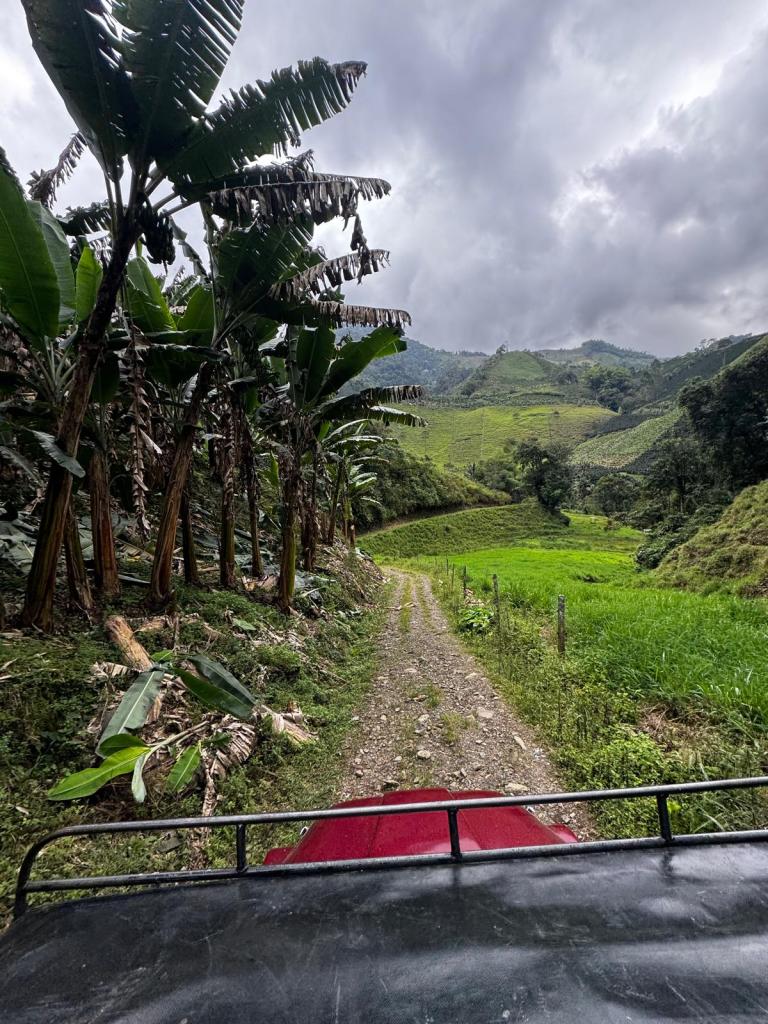
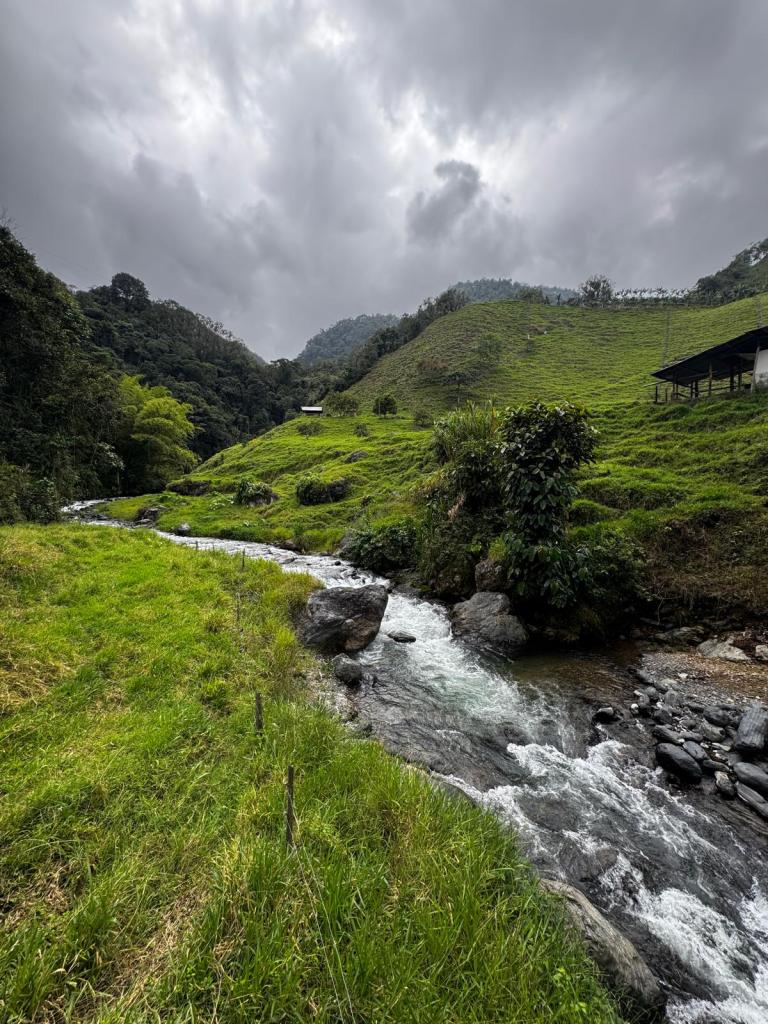
On the drive out from Santuario towards Vereda La Linda, the road wound away from town and back into the green, and somewhere along it the coffees began to feel less like bowls on a table and more like part of a place.

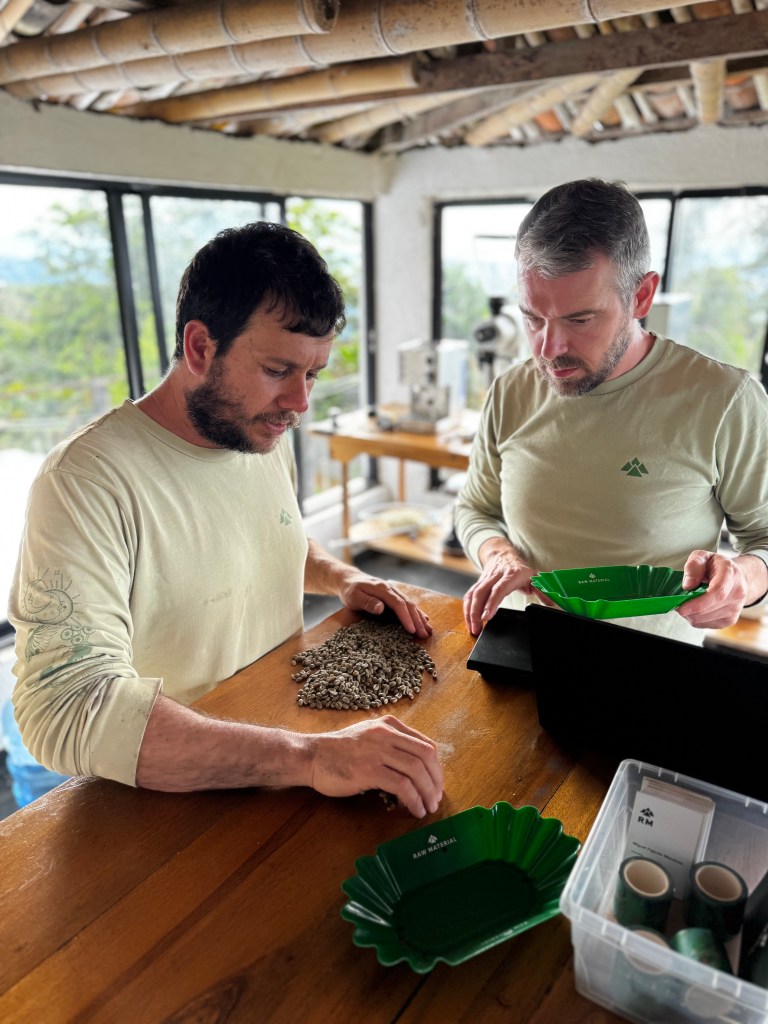
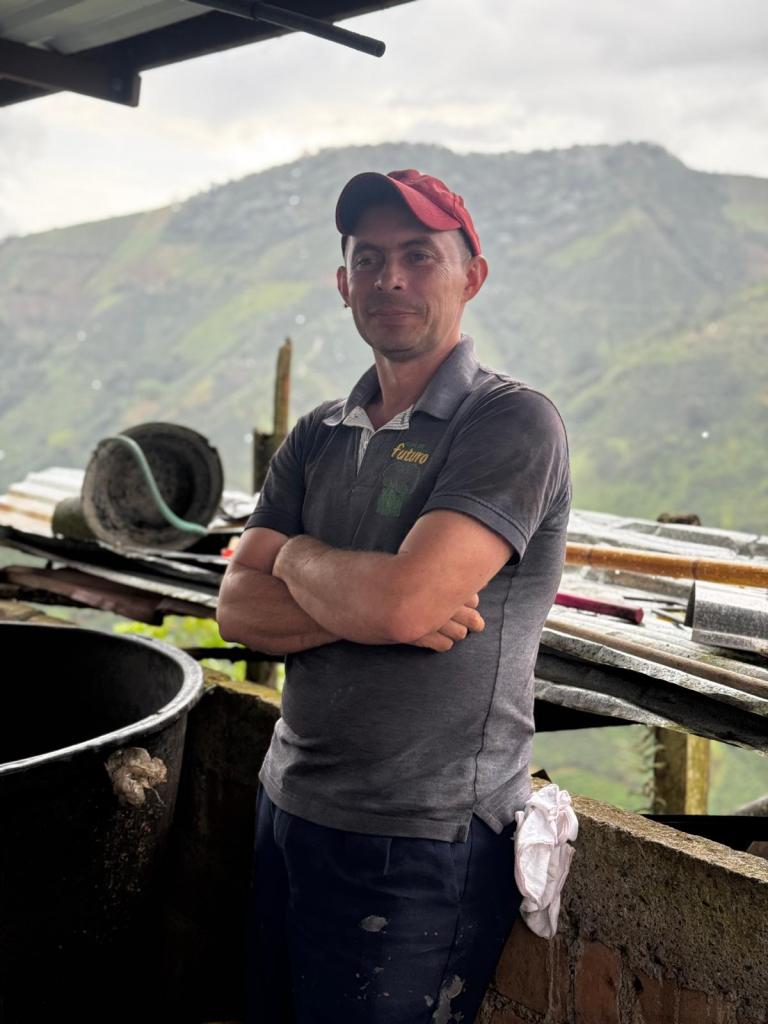
By then, I had already met Avelino, but only briefly, back in the cupping lab the day before. We had spent the day moving between tables, breaking for food, drifting back in to taste a little more, and at some point, somewhere in the middle or towards the end of all that, he came in. I think he had been in town dropping off coffee, which would make sense. It is a long drive in from La Linda, so a trip into Santuario is never just one thing. Someone introduced him and said, almost casually, that this was Avelino, the producer behind the coffees I had kept returning to.

I asked a little about them and got the simplest version first: same producer, same farm, same process, but one had fermented longer than the other. We did not go much further than that. Everyone was tired, I was a bit shy, and we were going to see his farm the next day anyway.

So when we headed out the following morning, I was carrying those coffees with me. I already knew how they had felt in the cup, one bright and lifted, the other deeper and more cola-like, and I already knew they had come from the same hands. What I did not know yet was what kind of place had made them, or how that difference had been shaped.

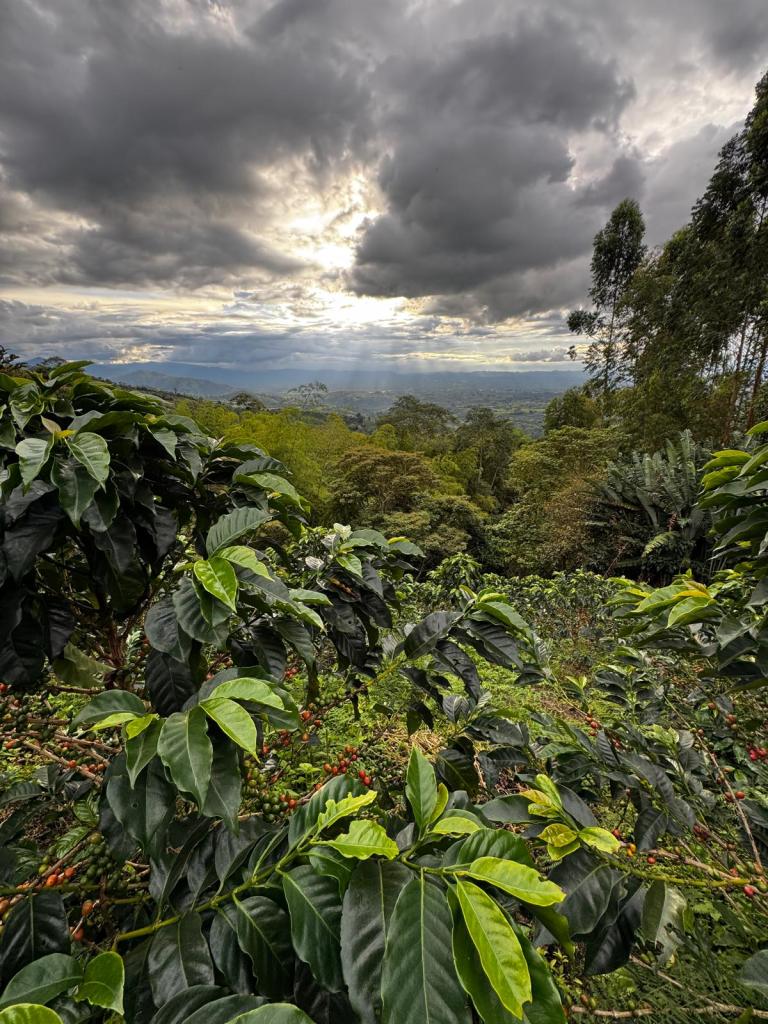
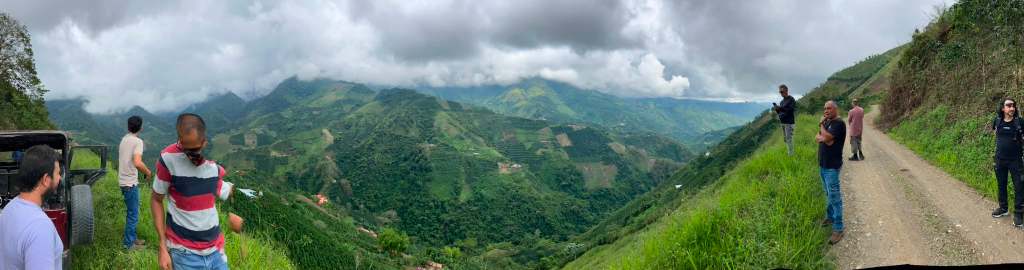
There was a stream on the way out, running through all that green, and it pulled me back to what we had been told in Santuario about Tatamá: a place of water, mountains, protected land, and coffee. Santuario had already been described to us as La Perla de Tatamá, but on that road the phrase stopped sounding like background information and became the actual panaramic view from the back of the truck.

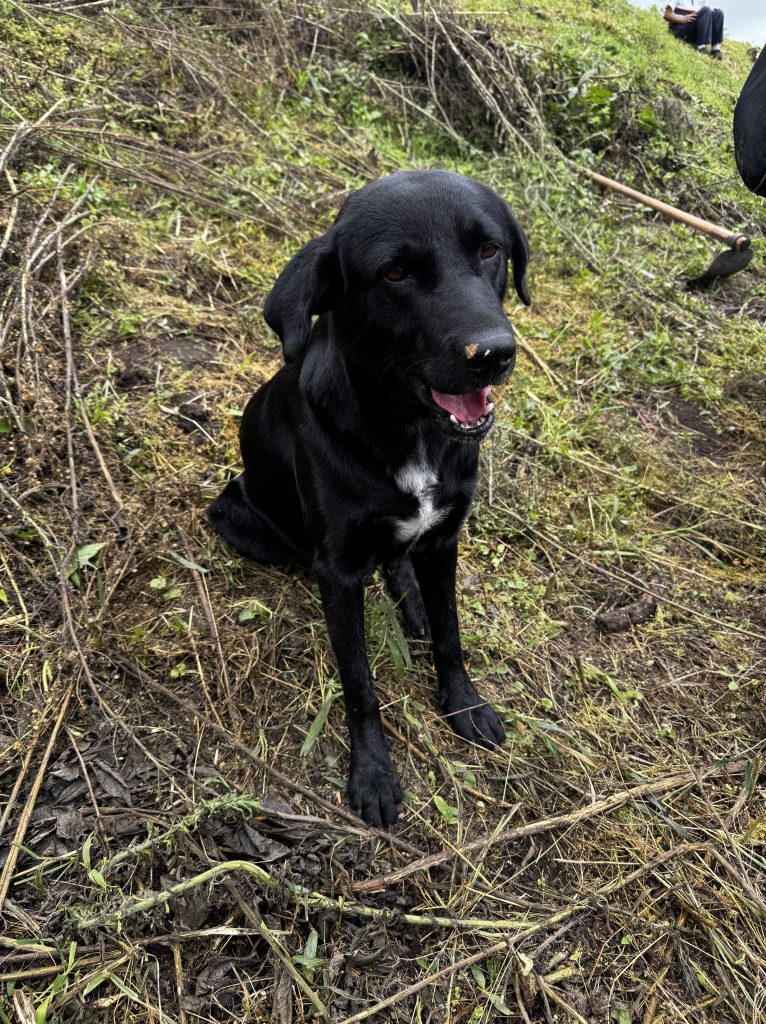
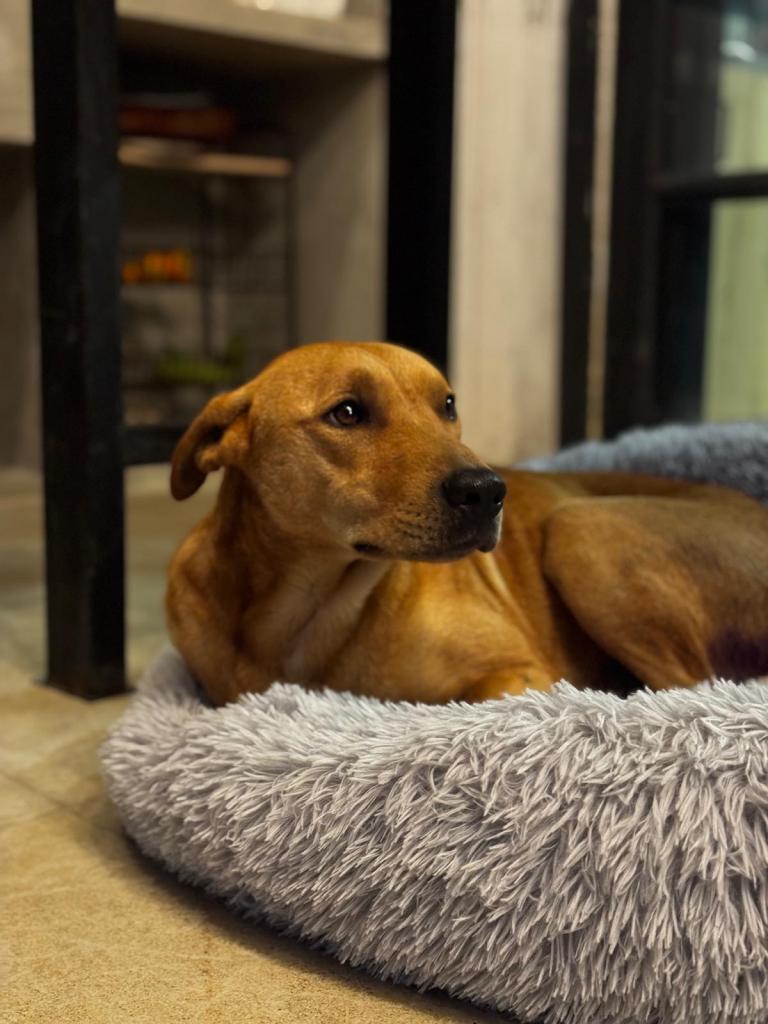
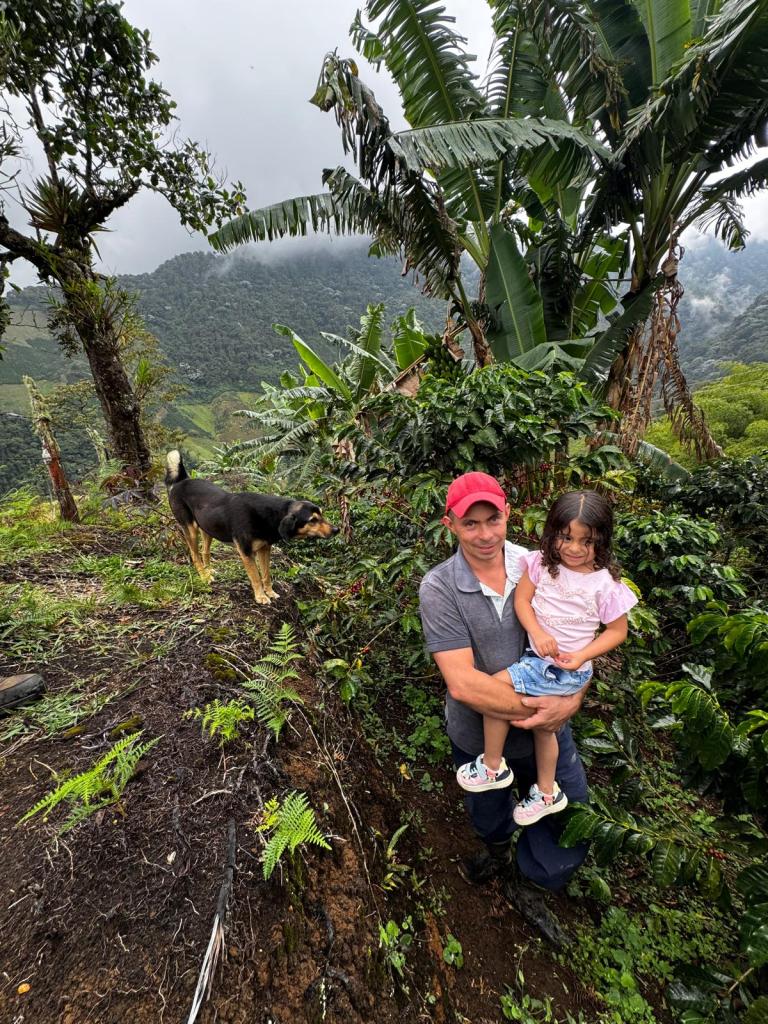
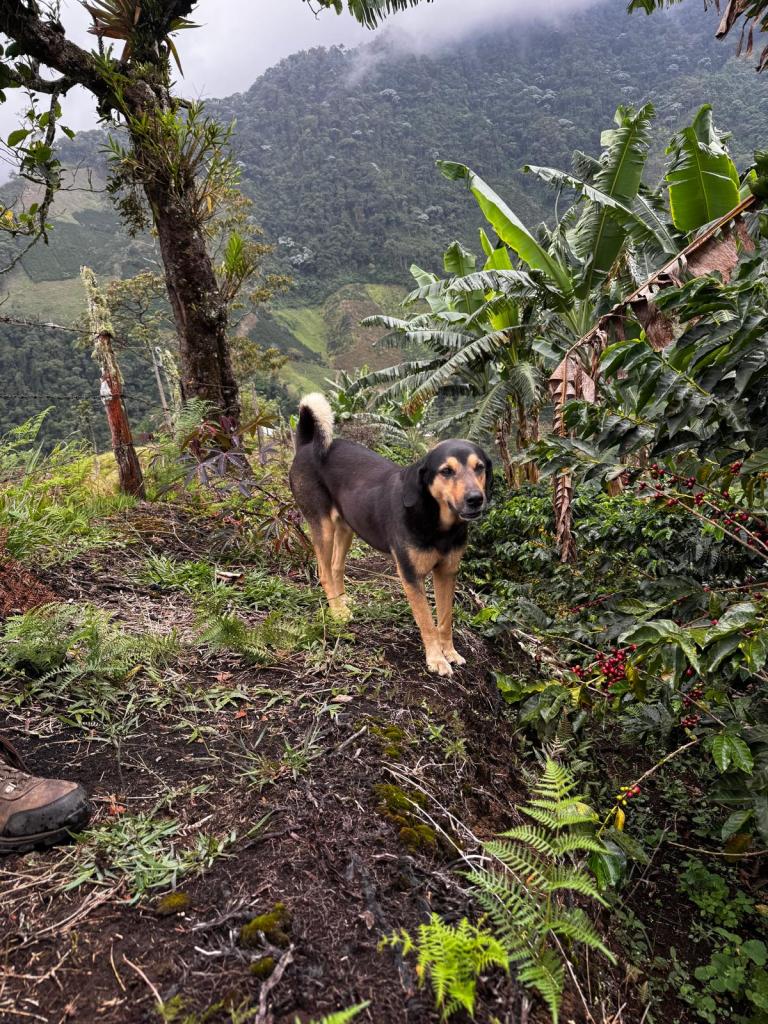
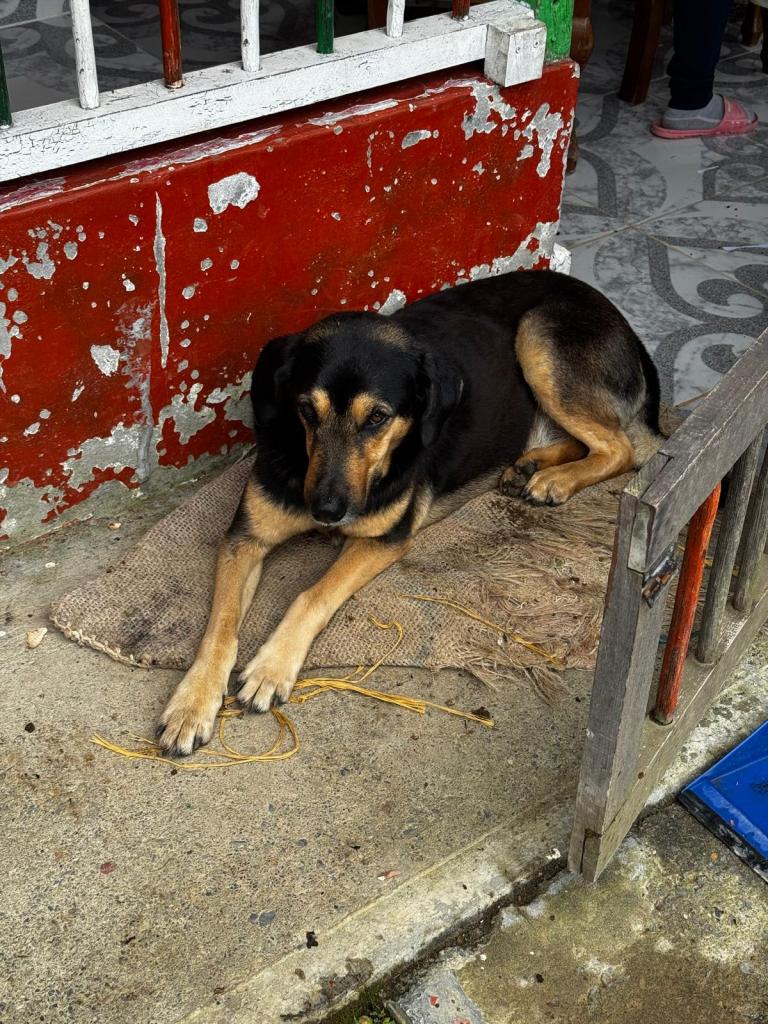
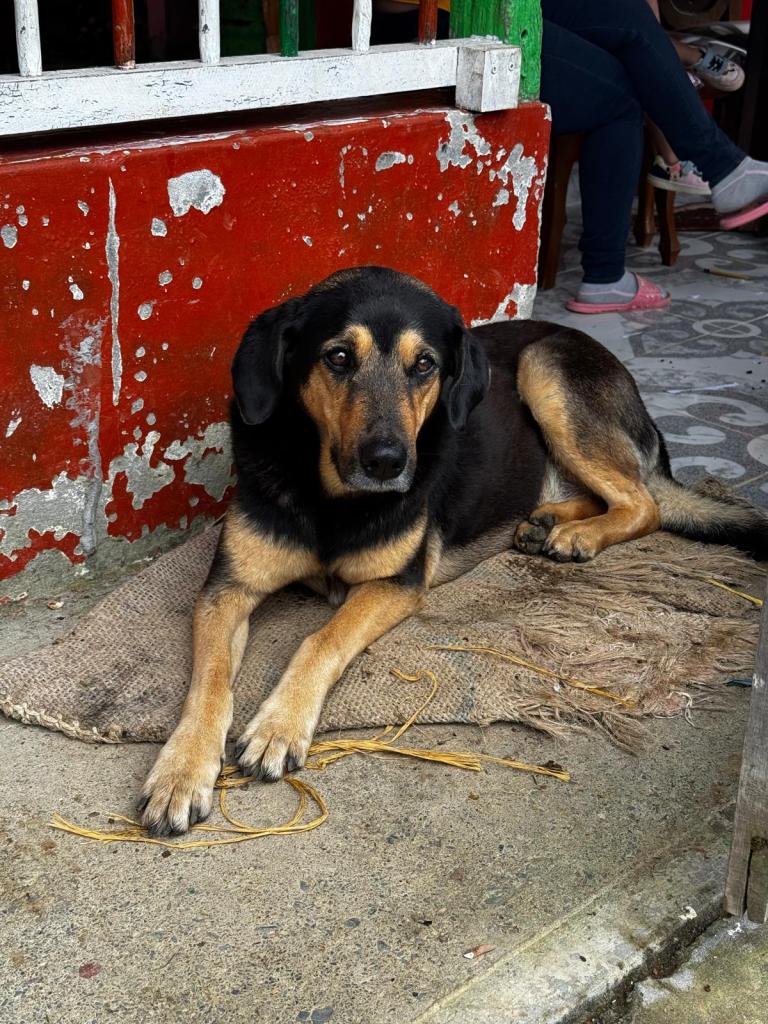
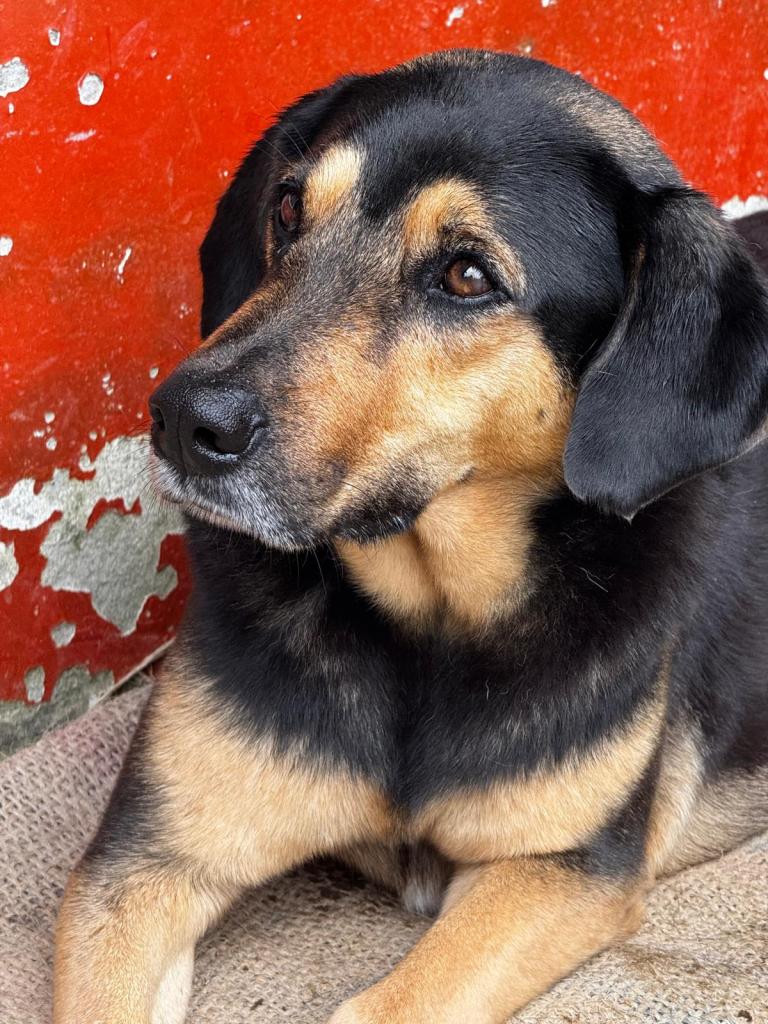
The coffees stop being cups on a table or numbers on a sample list and become part of a physical world. They belong to a road, a stream, a hillside, a small farm in Vereda La Linda, blue barrels, roof drying, changing weather, cherry selection, and one person doing the work himself. Also, as it turned out, a dog called Chiki, who seemed fairly convinced the whole operation belonged to him.

Finca El Guadual

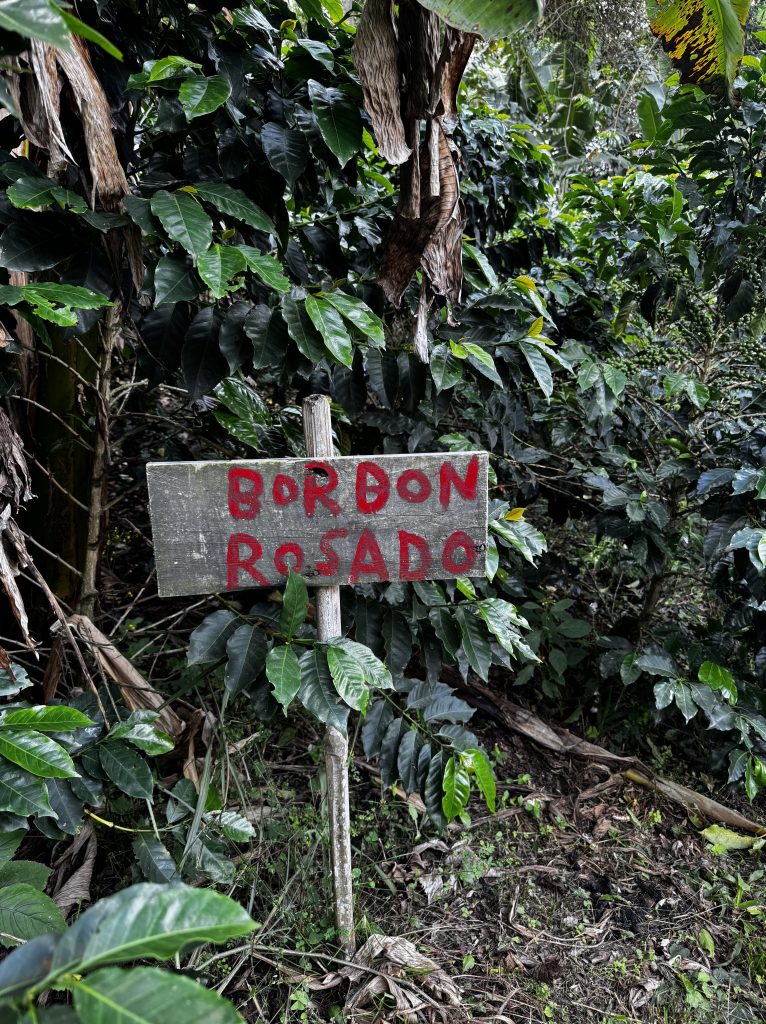
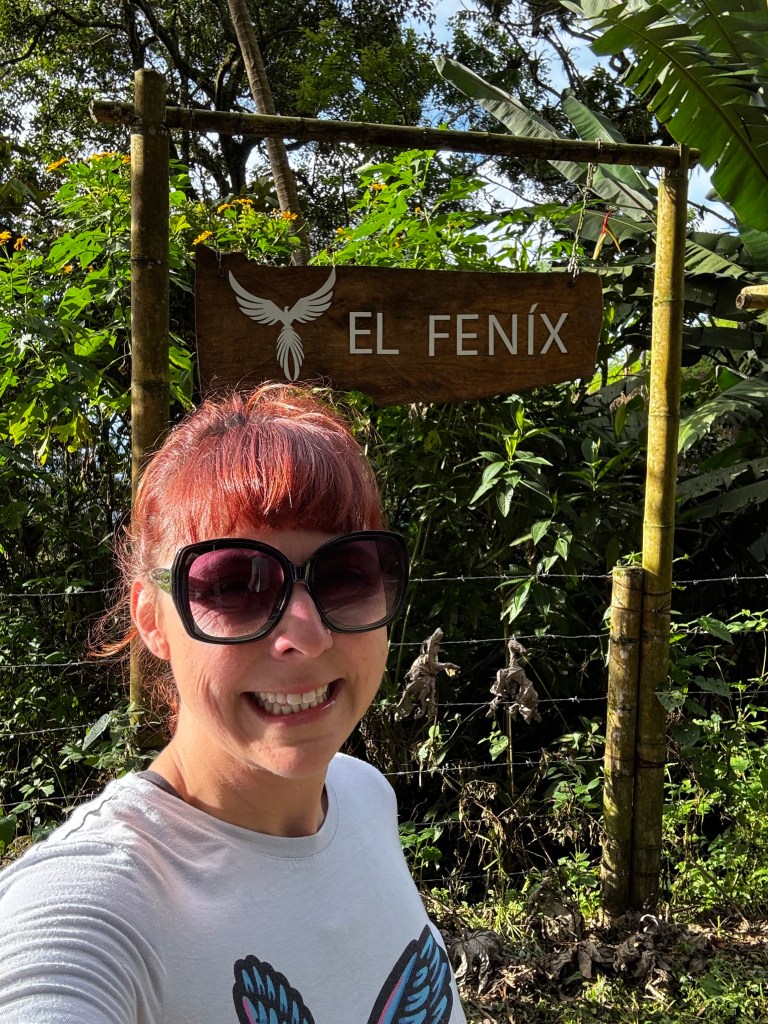
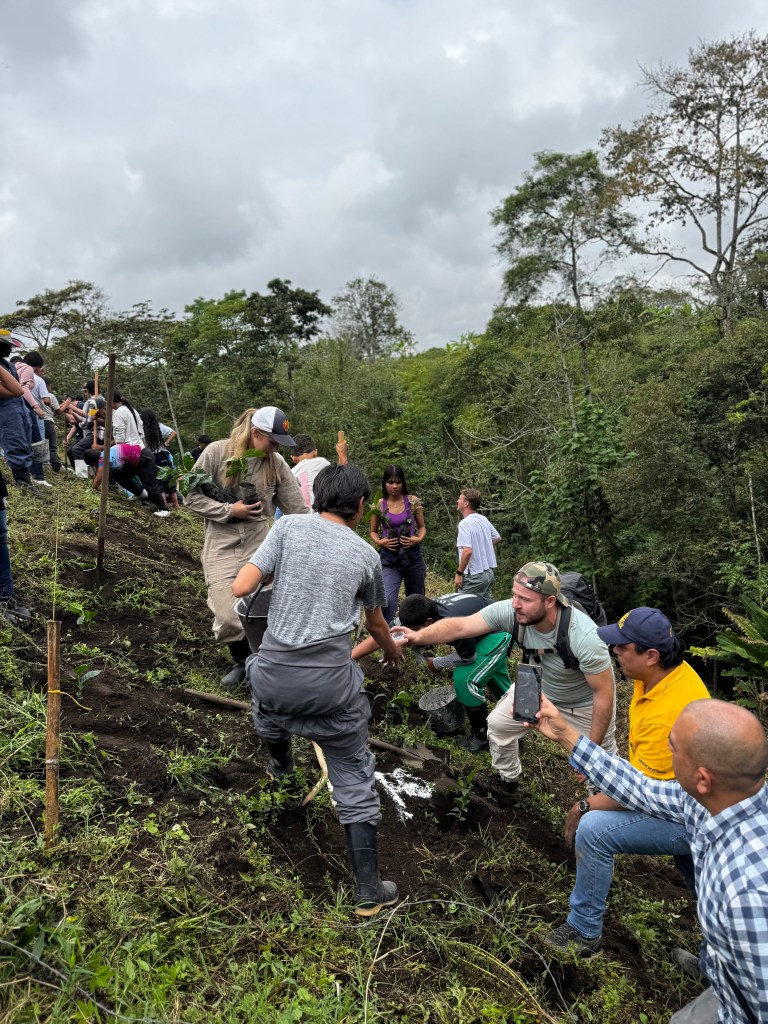
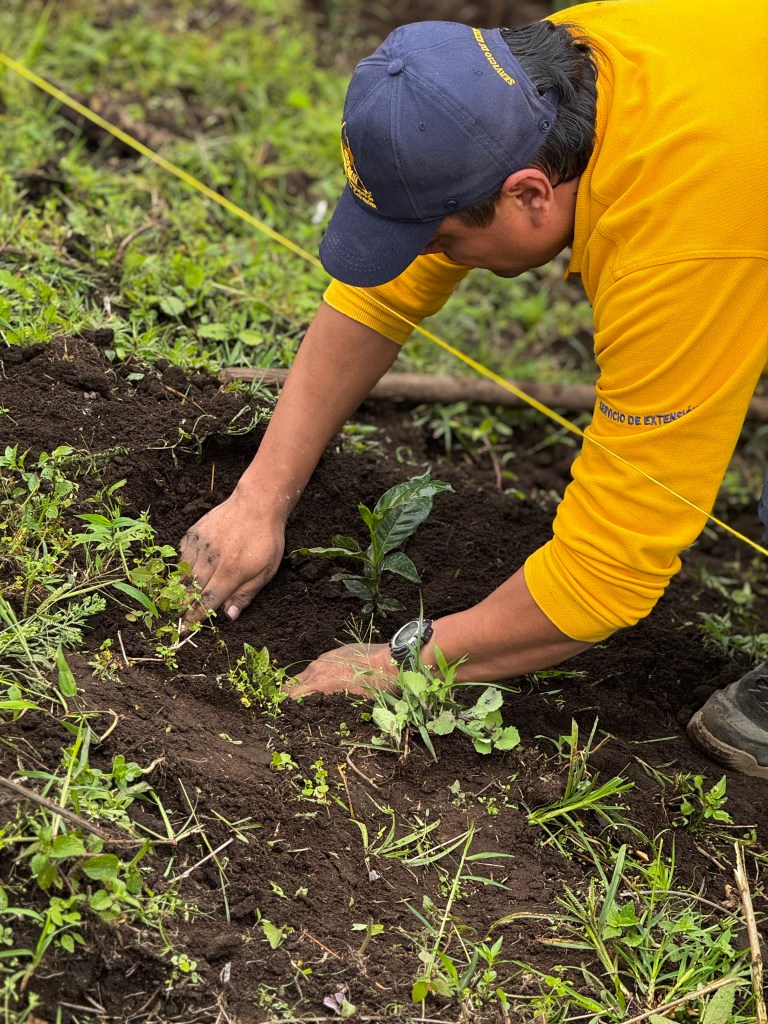
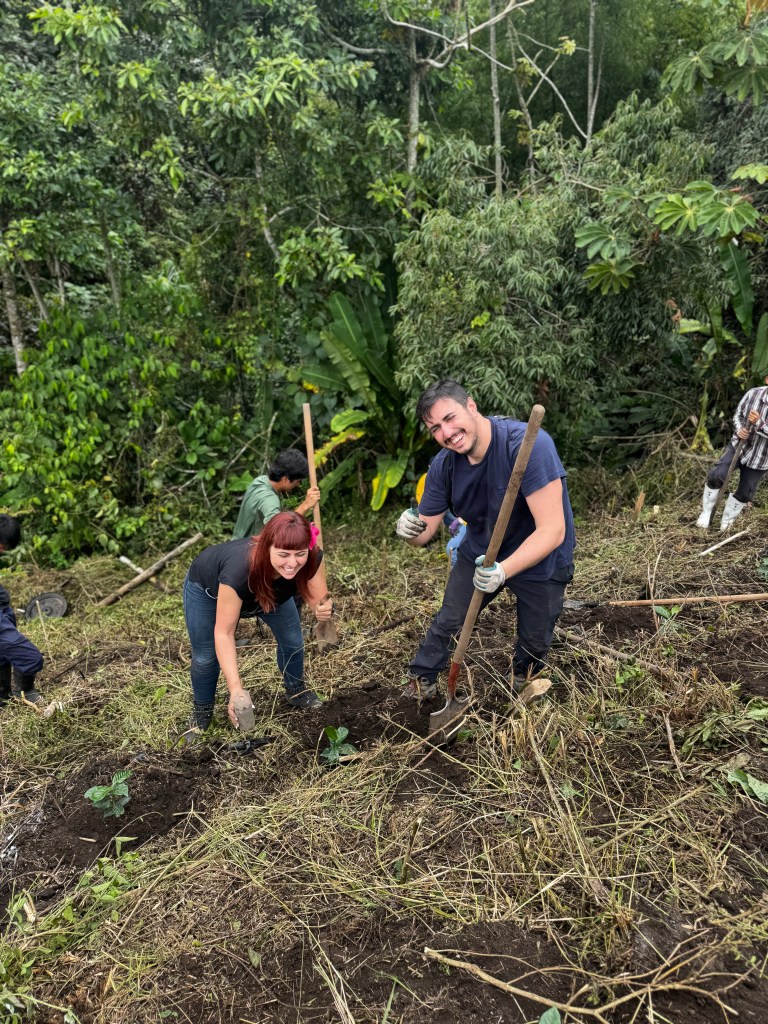
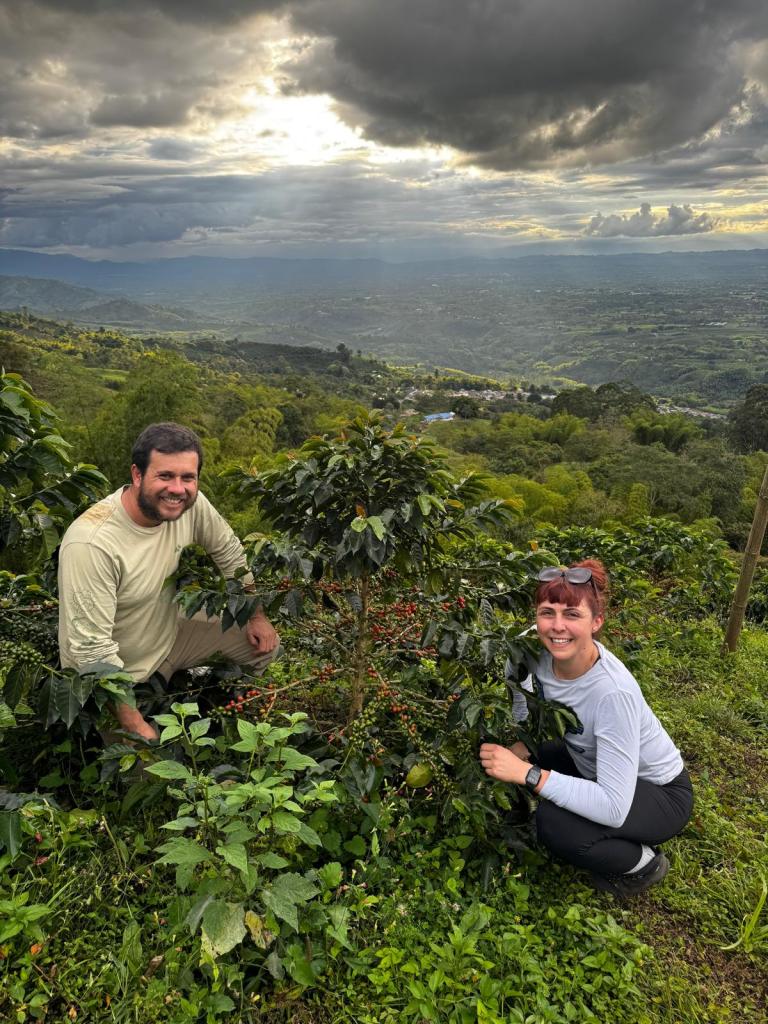
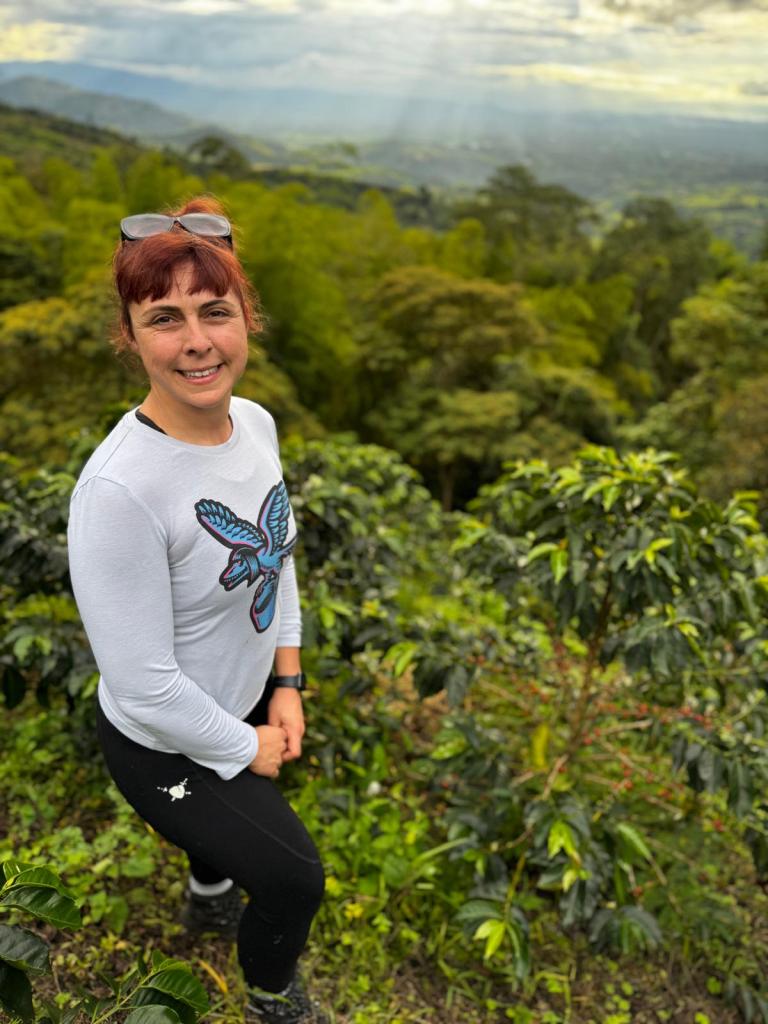
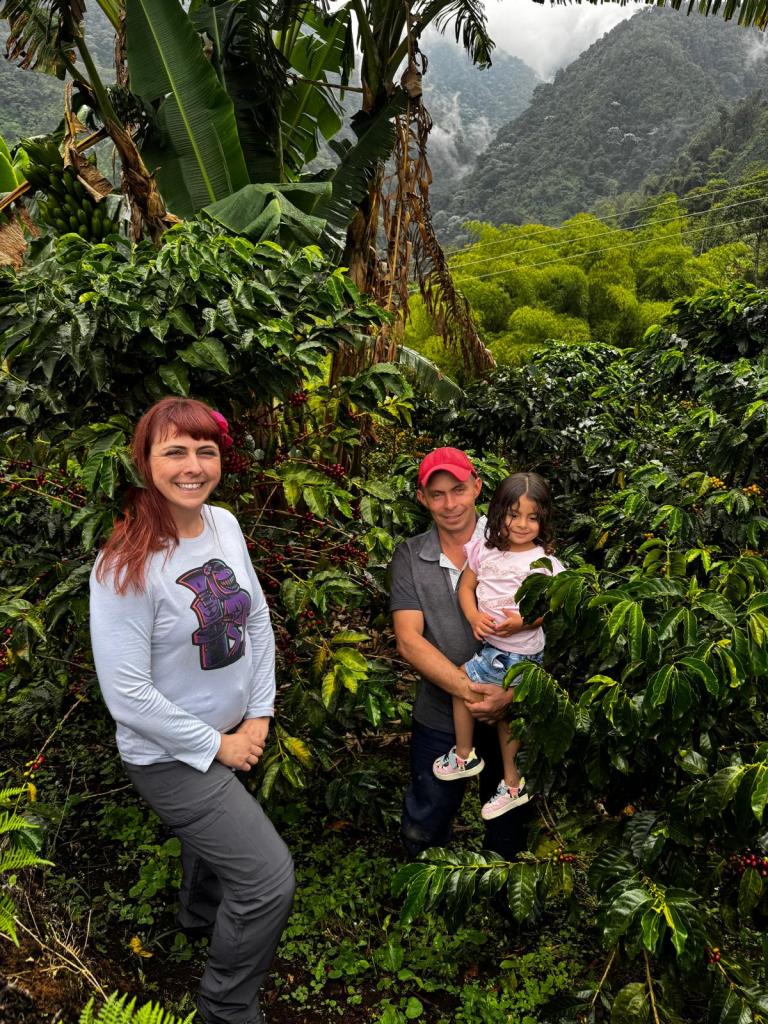
Finca El Guadual is a small farm in Vereda La Linda, in Santuario. It is only around a hectare, which changes the feel of the whole visit. This is not a big estate story. It is one person, one small piece of land, and a process built through repetition, attention, and knowing the coffee very closely.

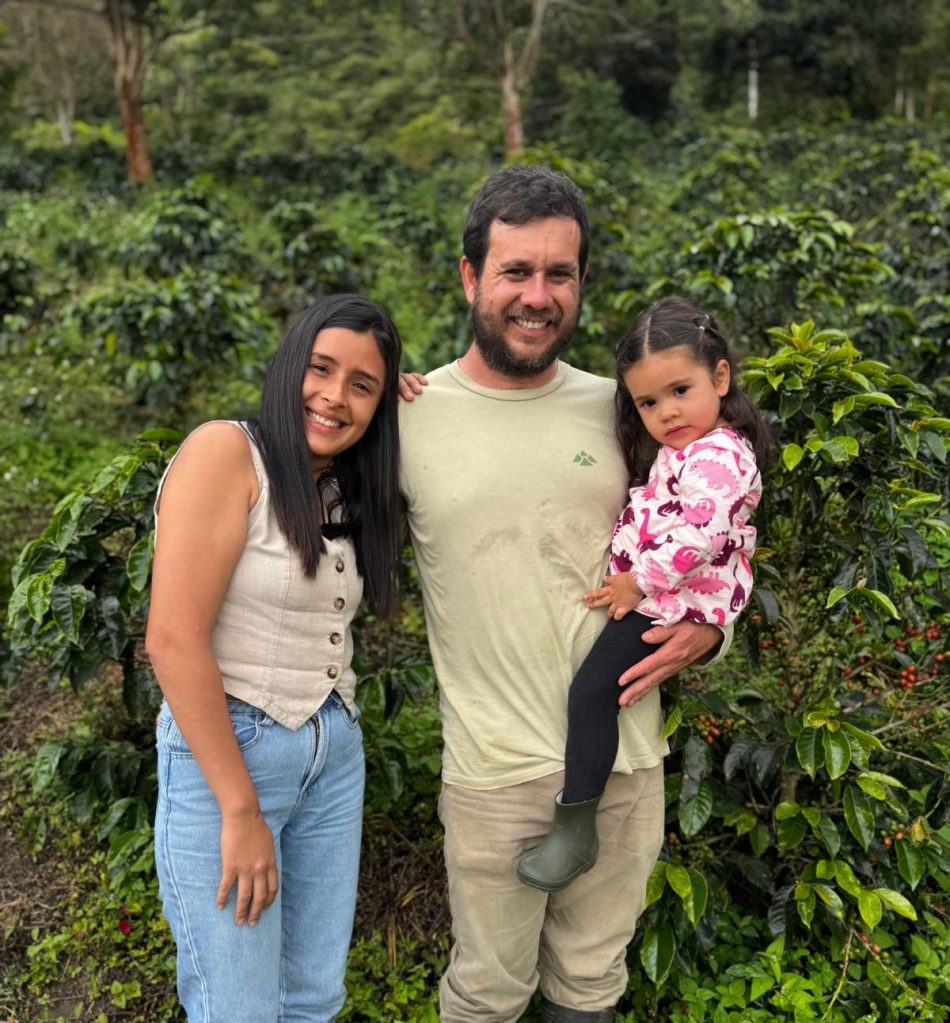
Avelino does it all himself. That becomes obvious very quickly when you are there. The farm does not feel separated into neat categories of picking, processing, and drying with different people attached to each part. It feels held together by one person moving through all of it, making decisions as the day asks for them.

His daughter was there too, following him around in that very particular way children do when someone is clearly their hero. It was charming to watch, but it also stayed with me because it made the whole place feel less like a process description and more like a living inheritance. Finca El Guadual was not only Avelino’s work in the present. It also carried a quiet sense of future.

That is one of the things I loved about visiting. You can talk about fermentation days, barrels, and process names from a distance, but standing there on the farm makes it much more human. The numbers are not floating around on a spec sheet. They belong to someone’s daily decisions: what is ripe today, what can be picked, what goes into the barrel, how the weather is behaving, how the coffee is developing, and when it needs to move.

How the lot takes shape

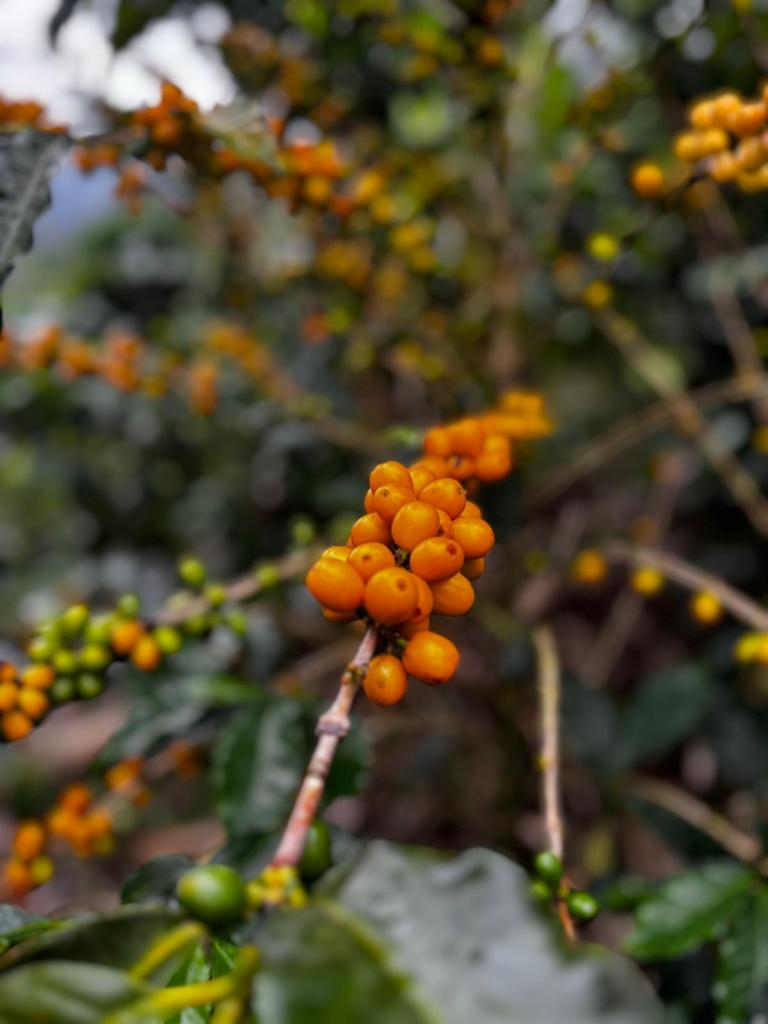
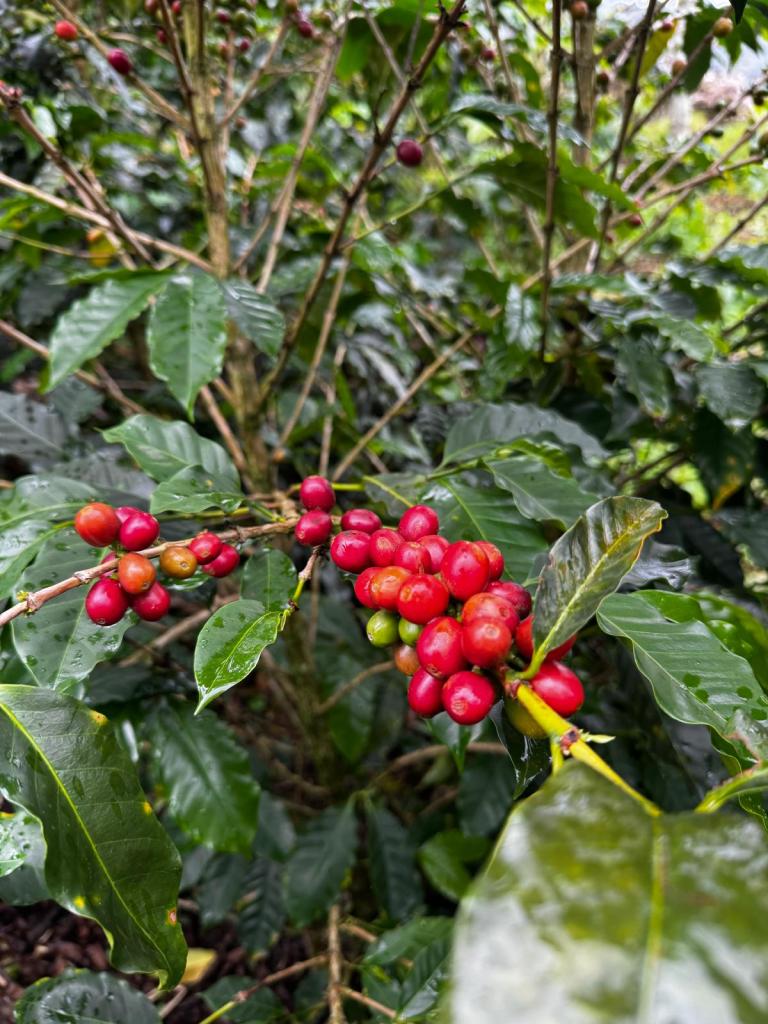
One of the things that became clearer on the farm was that these coffees do not begin with a fermentation number. They begin with Avelino deciding what is actually ready to be picked.

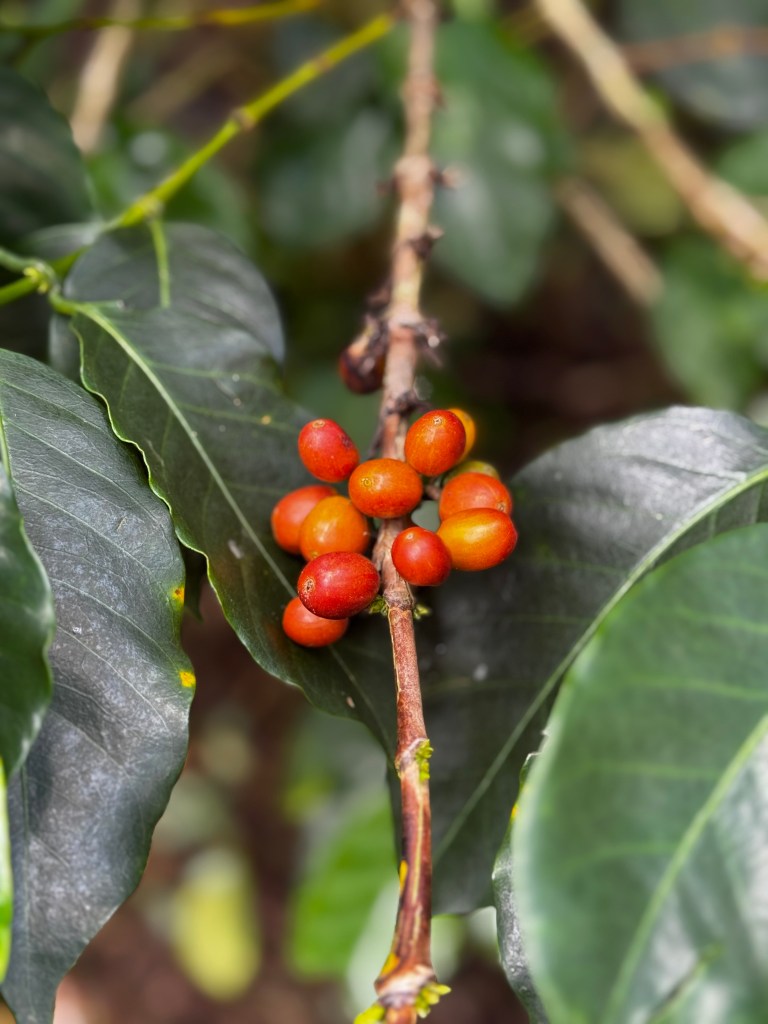
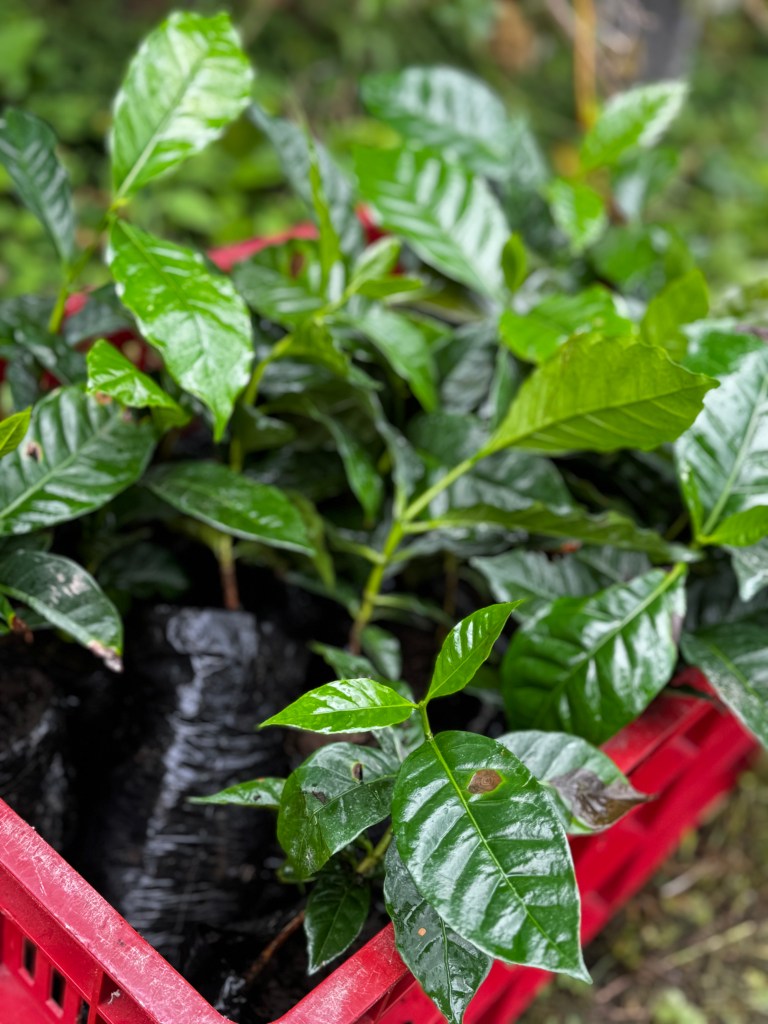
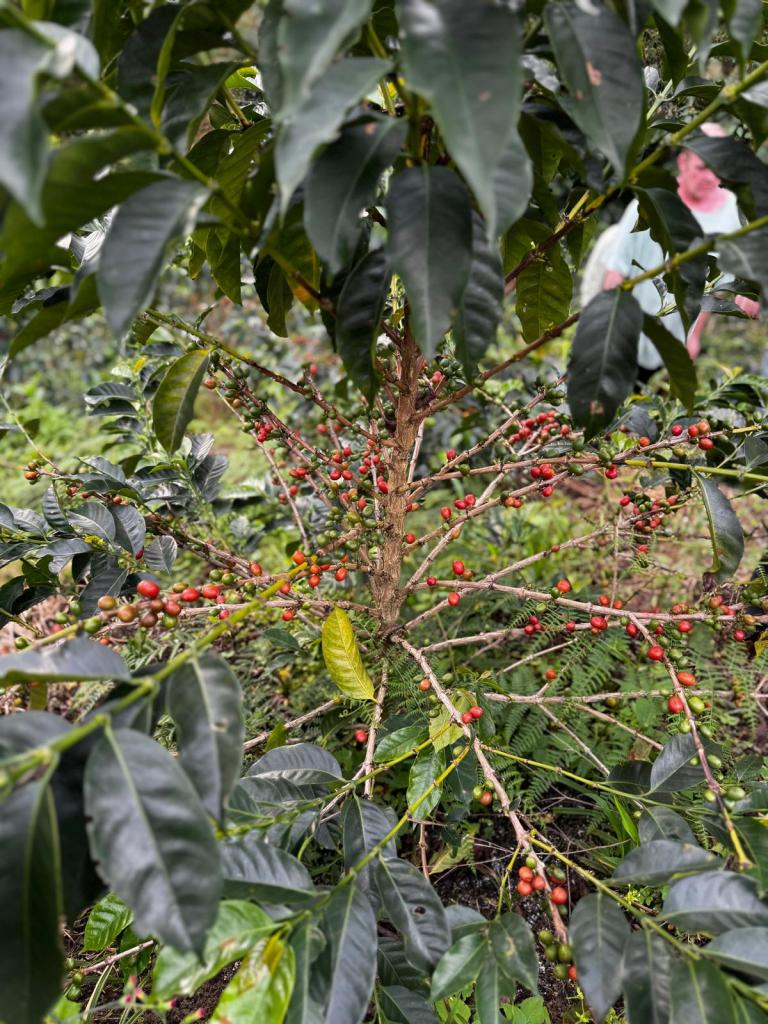
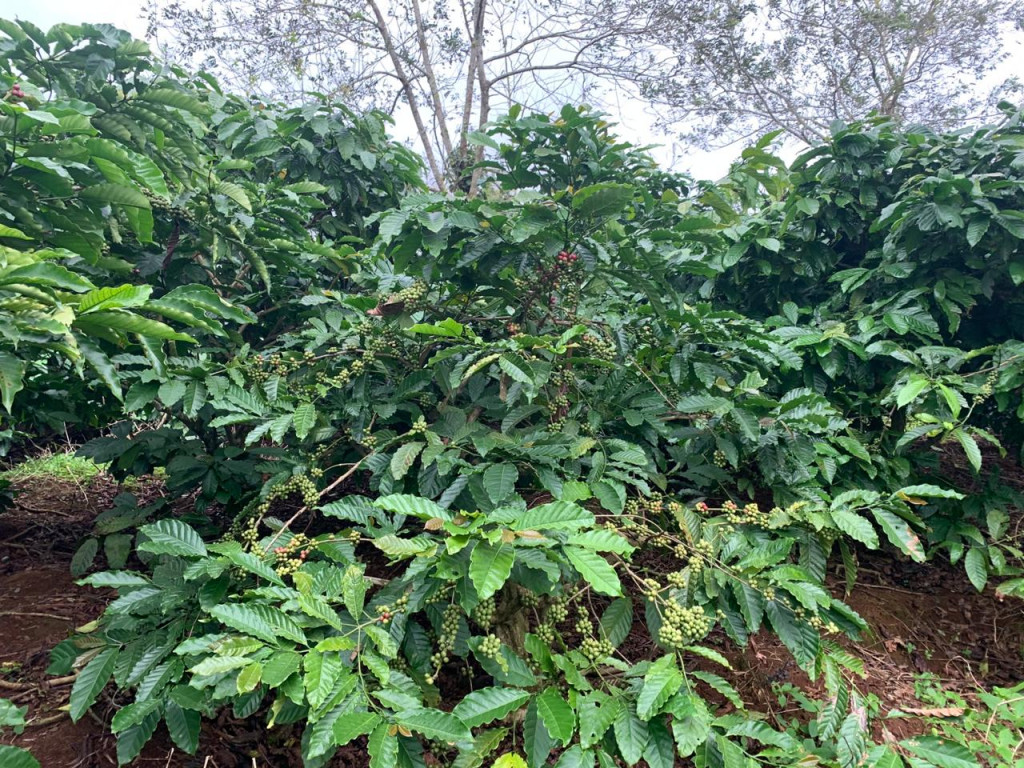
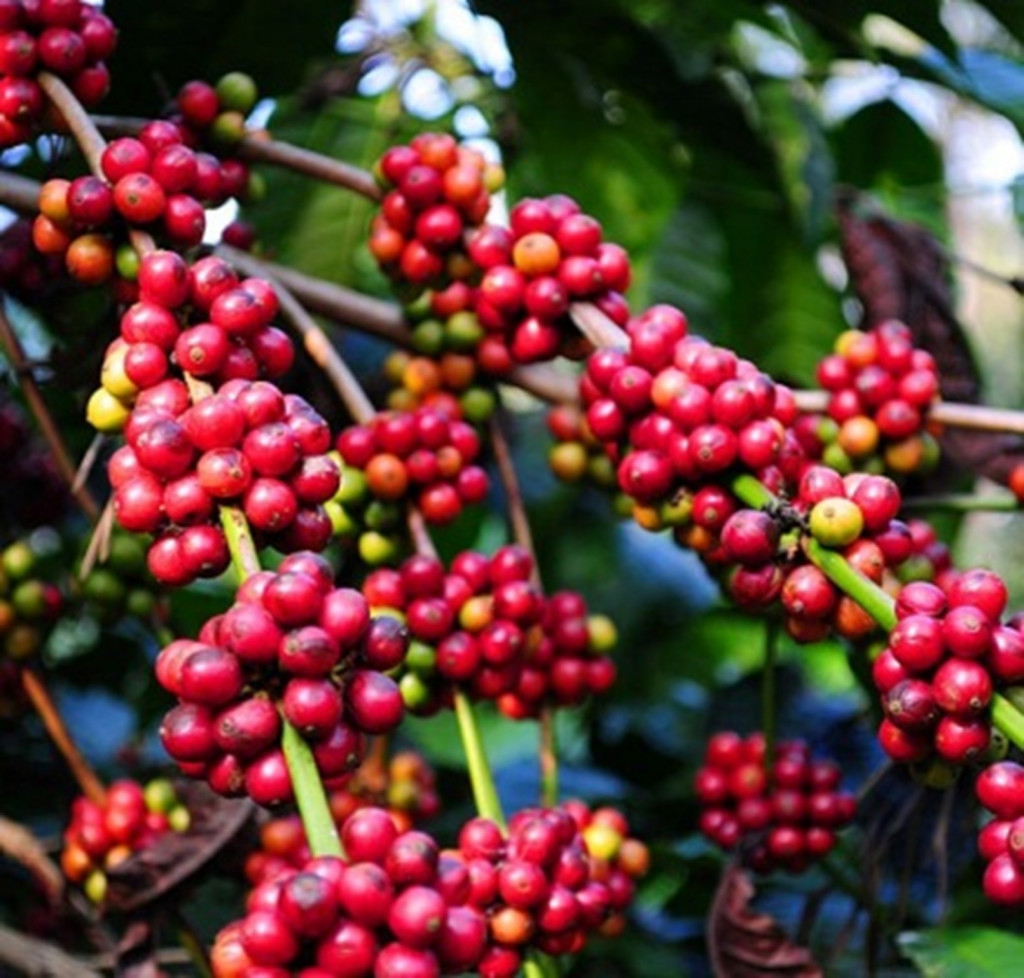
Across his small farm, he is working with three varieties, Colombia, Caturra, and Supremo, and he gathers the coffee in small amounts as the cherry reaches the right level of maturation. That matters here because these coffees are not built from one giant, static batch that gets sealed away and left alone. They take shape over time, as ripe cherry comes in and the lot is built in stages.

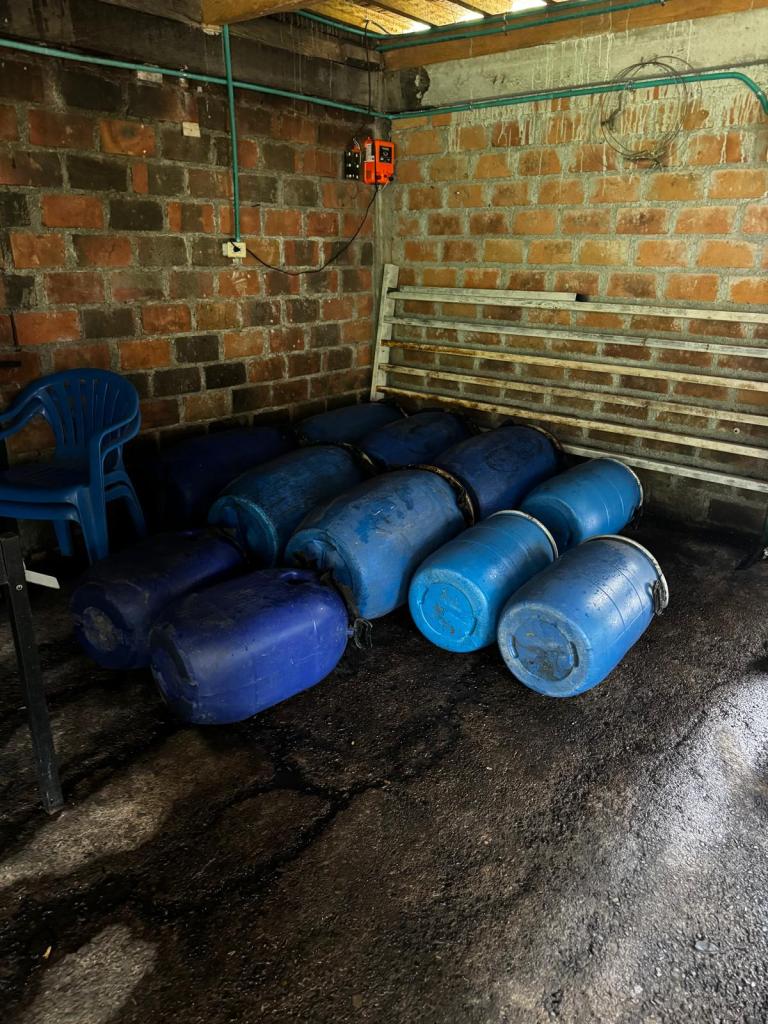
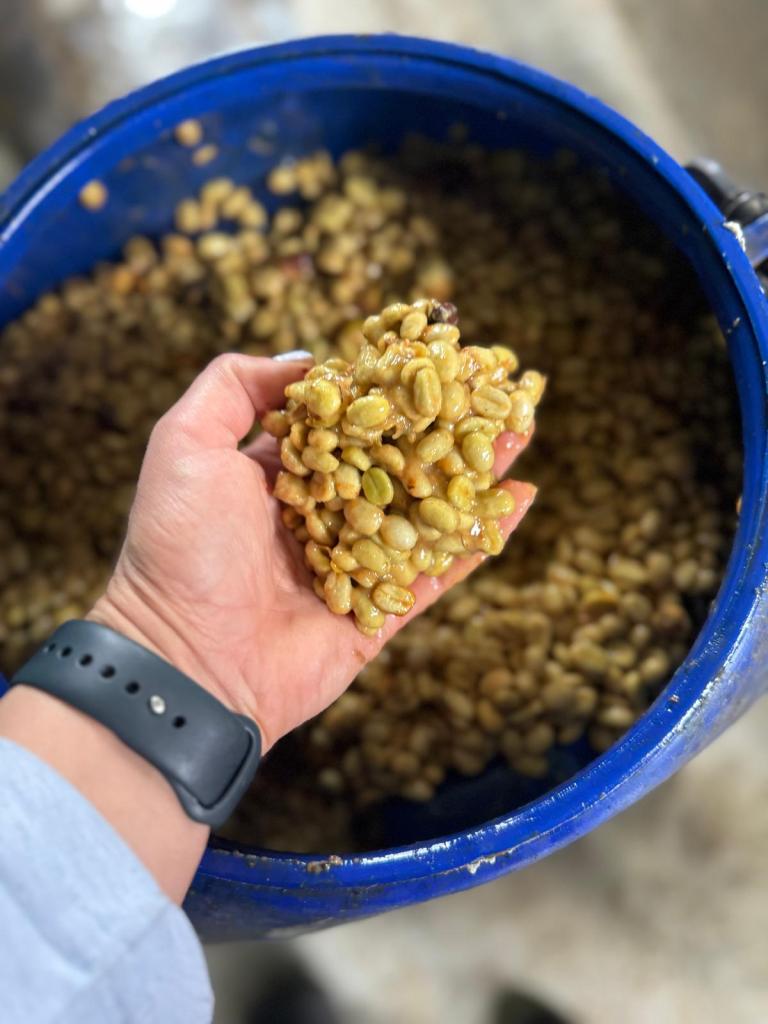
Once picked, the coffee gets a short fermentation in cherry, usually 12 to 24 hours depending on maturation, before it is pulped and moved into the sealed blue barrels for anaerobic remonta fermentation. Those barrels are now part of the visual world of this release for a reason. They are where the same farm, same producer, and same process begin to separate into different expressions.

During the remonta fermentation, the barrels are rotated every 24 hours. That rotation moves the coffee’s own mucilage-rich fermenting liquid back through the lot as it develops. It is one of the details that helps explain why these coffees have fermentation character without feeling like fermentation has swallowed the cup whole. There is movement through the process, but there is also control.

Because the lots are built from small daily collections, the coffee pulped first can reach around 15, 17, or 18 days of fermentation, while the last coffee pulped may reach around 9 or 10 days. After fermentation, Avelino washes the coffee using the lavador before it moves to drying.

On paper, that could sound messy. Standing on the farm, it felt like the opposite. What became obvious very quickly was that Avelino is not throwing time at the coffee and hoping for the best. He has standardised what he does through repetition and close attention, and the result is a process that feels held rather than improvised. That matters, because long fermentation does not automatically mean good coffee, and it definitely does not automatically mean clean coffee. What makes these cups work is not the numbers on their own, but the fact that the process is being guided by someone who knows exactly what he is looking for.

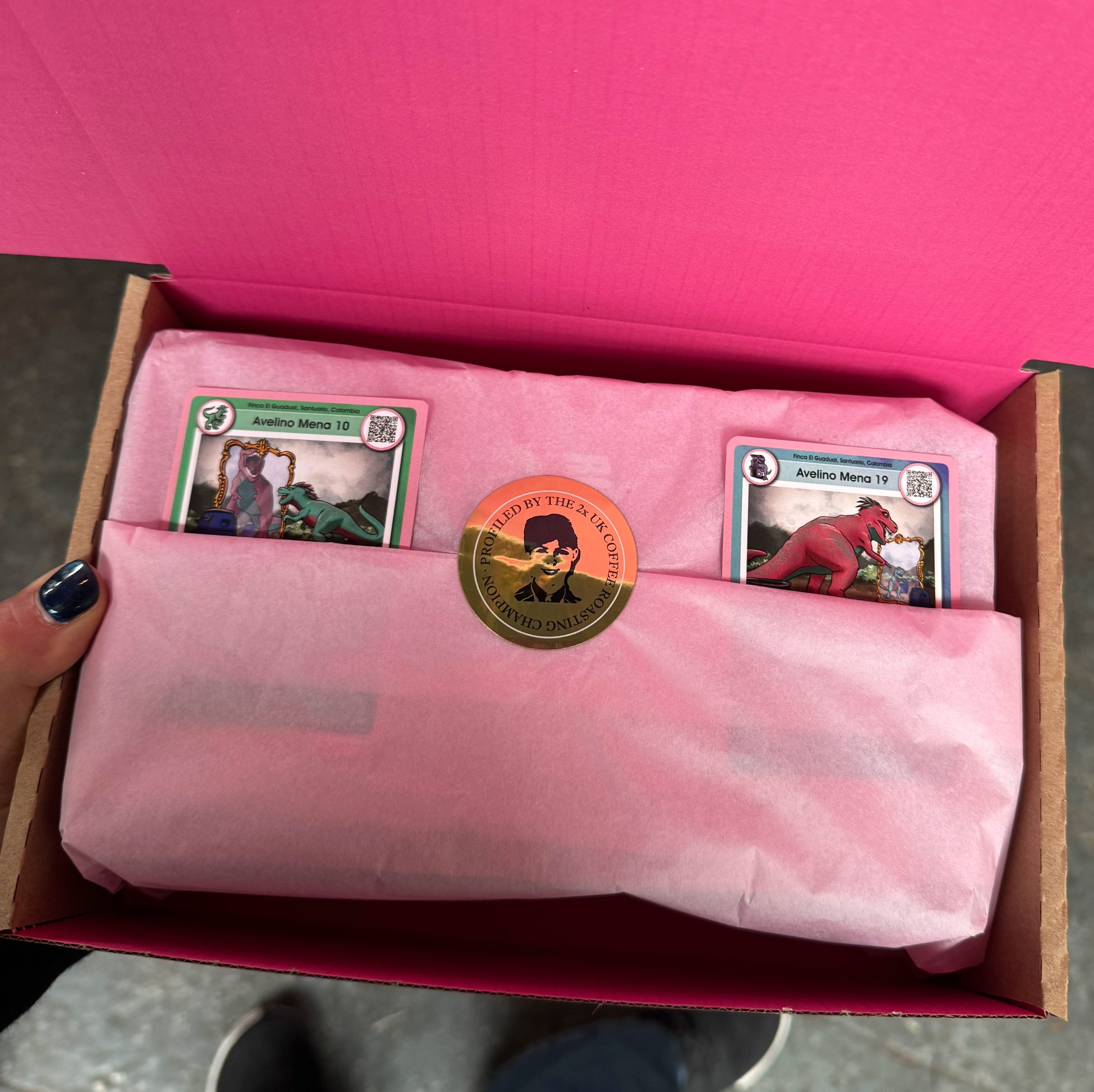
For the release, the two expressions we selected became the 10 day and 19 day lots, with the named day marking the longest point in each one. Same producer, same farm, same remonta washed process, with time as the variable.

Roof drying and the reality of Santuario

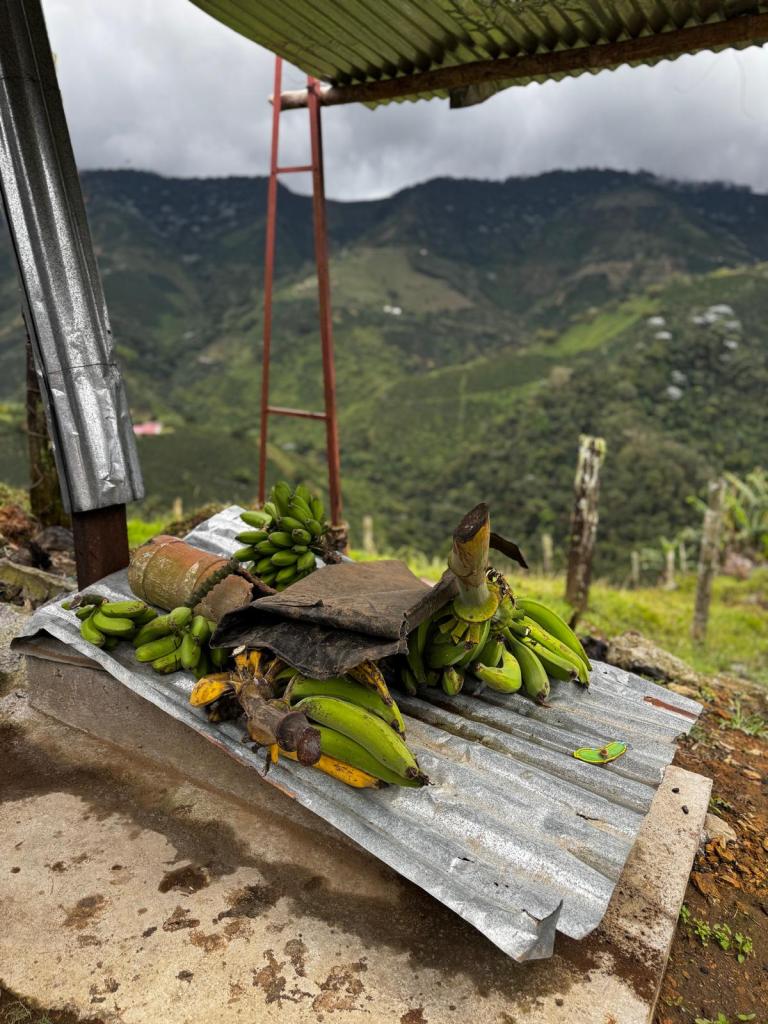
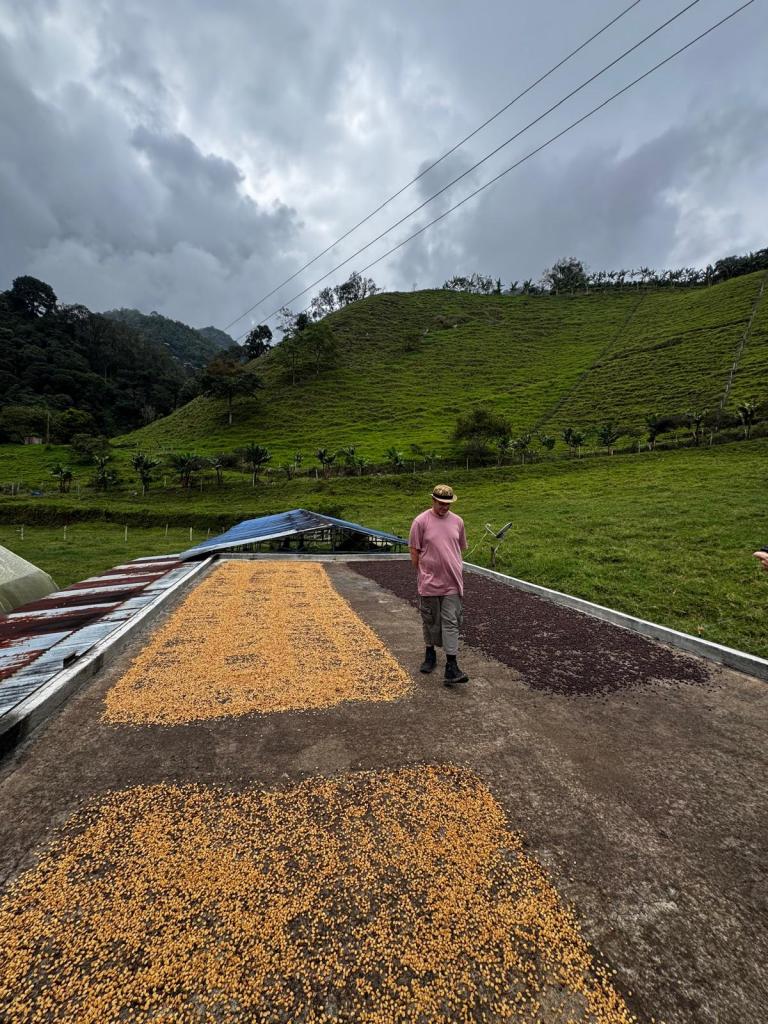
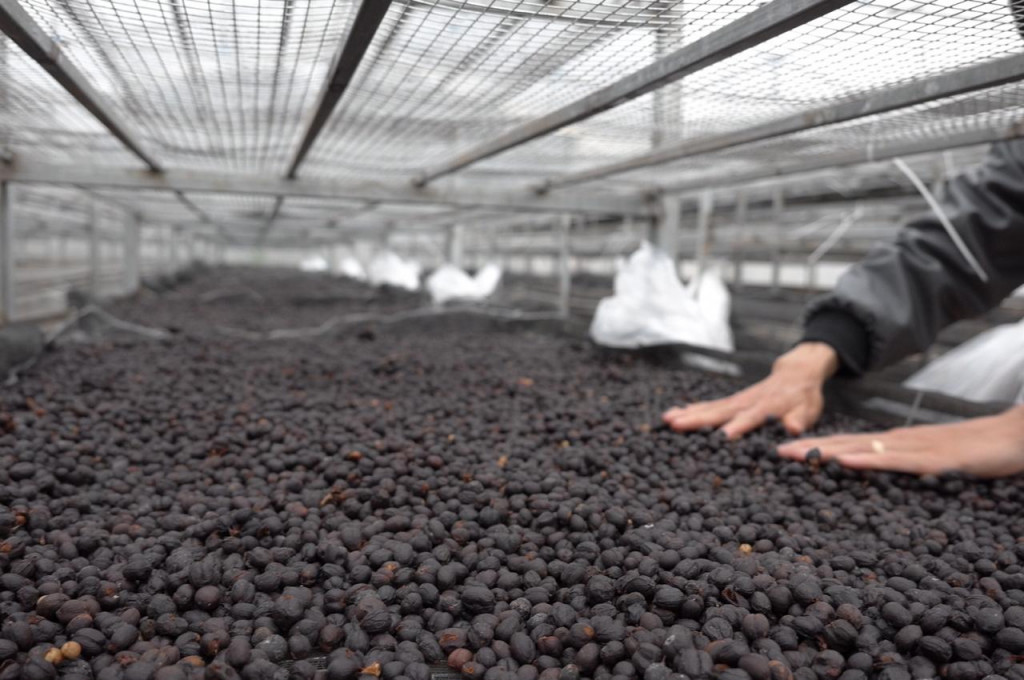
After washing, the coffee is dried on the roof for around 8 days.

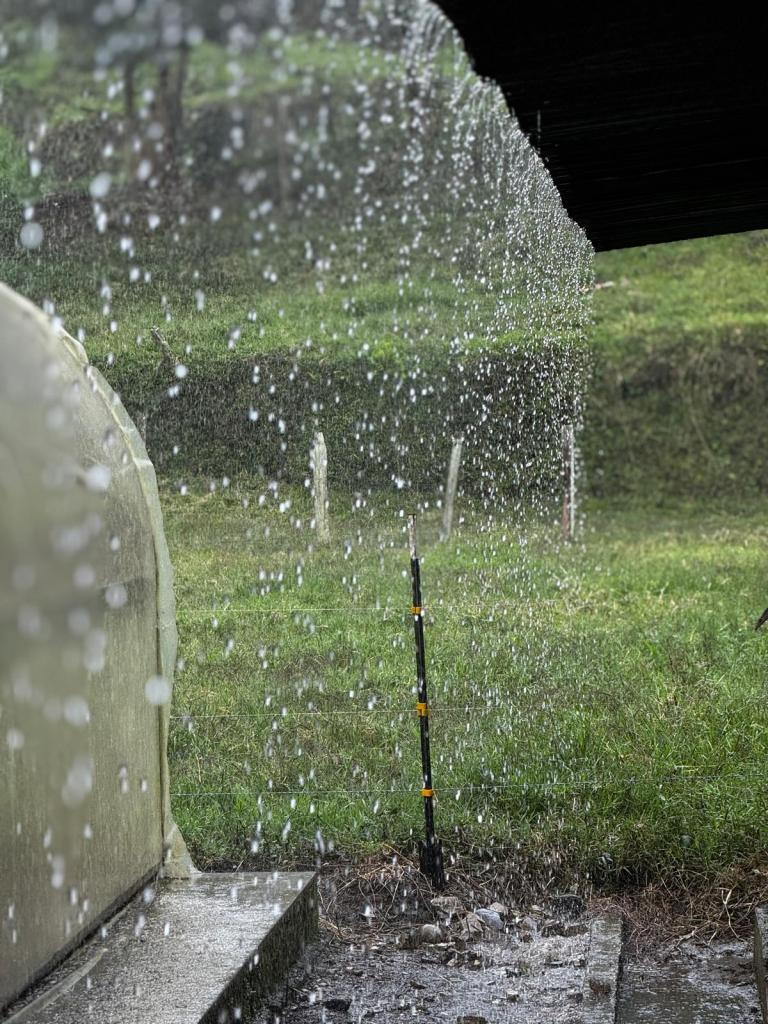
This is another part of the story that feels important because drying is never just a neat line in a process description. In Santuario, weather is part of the reality. Rain can move in, conditions can shift, and small producers have to work with the infrastructure they actually have.

Avelino dries on the roof, adapting around the weather and protecting the coffee via a very cool roof rolling system when needed. The roof is place tracks with wheels, so that it can be brought over the coffee to protect it during pour downs. That kind of detail is not always glamorous, but it is part of what makes the coffee real. The process is not happening in a perfectly controlled fantasy lab. It is happening on a small farm, with one person doing the work, making decisions, responding to the place around him.

That is also why I find the cleanliness of these coffees so impressive. They are fermented, yes. They are expressive, yes. But they are not wild for the sake of being wild. They still feel washed. They still have structure. The fermentation adds sweetness, movement, depth, and personality, but the cups stay clear enough that you can taste the difference between the 10 day and the 19 day without everything becoming one big funky blur.

Chiki, obviously

And then there was Chiki.

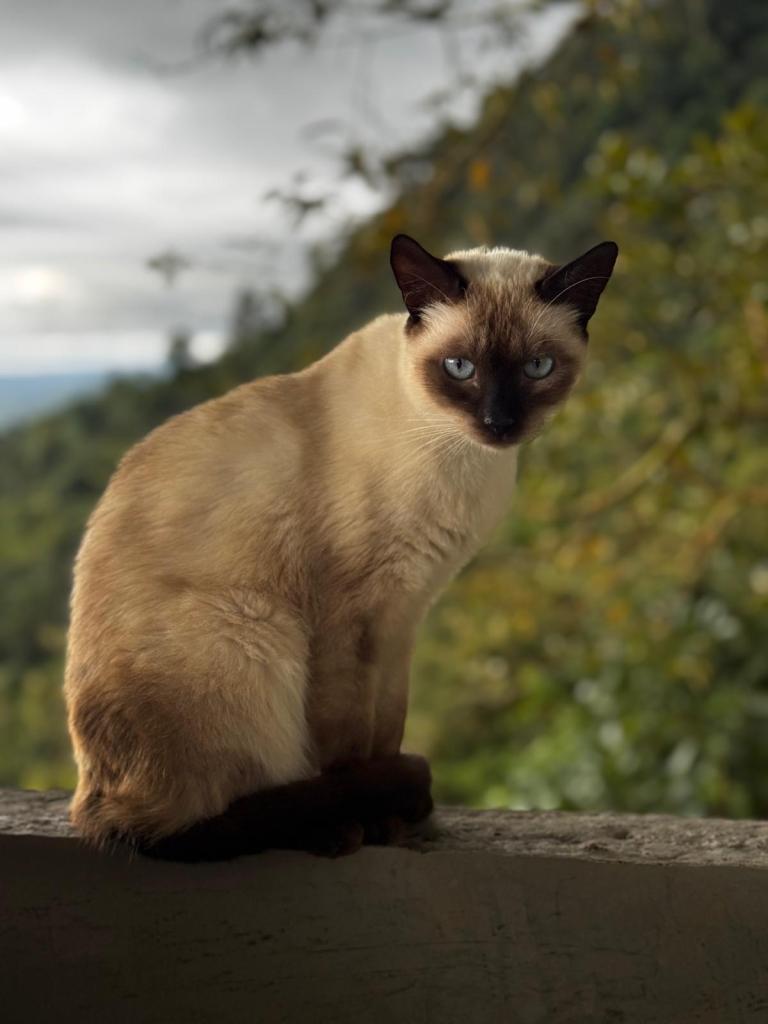
I cannot really talk about visiting Finca El Guadual without mentioning the dog, because of course the dog becomes part of the story. Some details are technically important, like fermentation times and drying days. Some details are emotionally important, like the fact that there was a dog there making the whole farm feel even more alive.

Chiki does not explain the cup profile, but Chiki absolutely belongs in the memory of the coffee. That is how origin visits work for me. The technical information matters, but so do the things that fix the place in your mind: the colour of the barrels, the roof where the coffee dries, the sound of the road, the person explaining their process, the dog walking through the scene as if it owns the entire operation.

In a way, those details are part of why I wanted these coffees for Roastersaurus. The release is not only about an interesting fermentation comparison. It is about a small farm that felt vivid enough to build a world around.

Why the pair matters

What makes this release so interesting to me is that the two coffees are not opposites from different worlds. They are two expressions of the same starting point: the same producer, the same farm, the same remonta washed process, with fermentation time as the variable.

That makes them one of the clearest paired tastings I have released through Roastersaurus. The comparison is not about deciding which coffee is better. It is about tasting what time changed.

The 10 day is the faster side of the barrel. It is bright, juicy, lifted, and Raptor-like. The 19 day is the heavier side of the barrel. It has more depth, more pull, more cola-like sweetness, and that T-Rex sense of gravity. Both are clean. Both are fruit-forward. Both still feel connected to the same producer and process.

At London Coffee Festival, it was really lovely watching people taste them side by side. The T-Rex 19 seemed to just about steal the tiny crown for a lot of people, especially as espresso with milk, where that deeper cola sweetness really held its shape. The Raptor 10 had its own kind of magic too, and because it was the smaller lot, it disappeared first.

That is the reality of small releases. Sometimes the brighter side of the story vanishes before the deeper one, and the comparison becomes something you were lucky enough to catch in the moment. The T-Rex 19 is still here for now, carrying the heavier side of the barrel a little longer.

Order Avelino 19 here, while supplies last.

Elegance in Motion

Some Geshas shout. This one unfolds.
Not with volume or force, but with quiet radiance and a movement that feels as if the cup is taking a breath before it begins to open. This is the newest Mythic Microraptor of Roastersaurus, a coffee shaped not by intensity, but by grace. It is washed yet moves like a honey, silky and composed. It is floral yet steady, bright yet serene. It is a Mythic defined by stillness in motion, a rare moment of elegance that glows rather than erupts.

Arlam’s Gesha is also the first release to reveal Swoop, one of the movement types in the Roastersaurus world. Some coffees carry force, others carry precision. This one carries choice.

The Cup in Motion

From the highlands of Huehuetenango, this Gesha expresses the new moment emerging from Guatemala. Over the past two years, the region has begun producing Gesha lots that show refinement and clarity without relying on fermentation for drama. Instead of intensity, they offer sweetness through terroir, elegance through process, and depth through restraint.

Arlam’s Gesha moves in exactly this way. It does not force its character. It unfolds. Stonefruit and lychee rise first, carrying jasmine-pearl texture. Then the cup deepens into bergamot, peach, orange blossom and lemongrass over a soft milk oolong texture. The finish lingers with floral lift and honey-like glow. Everything is balanced. Everything is deliberate.

The Art

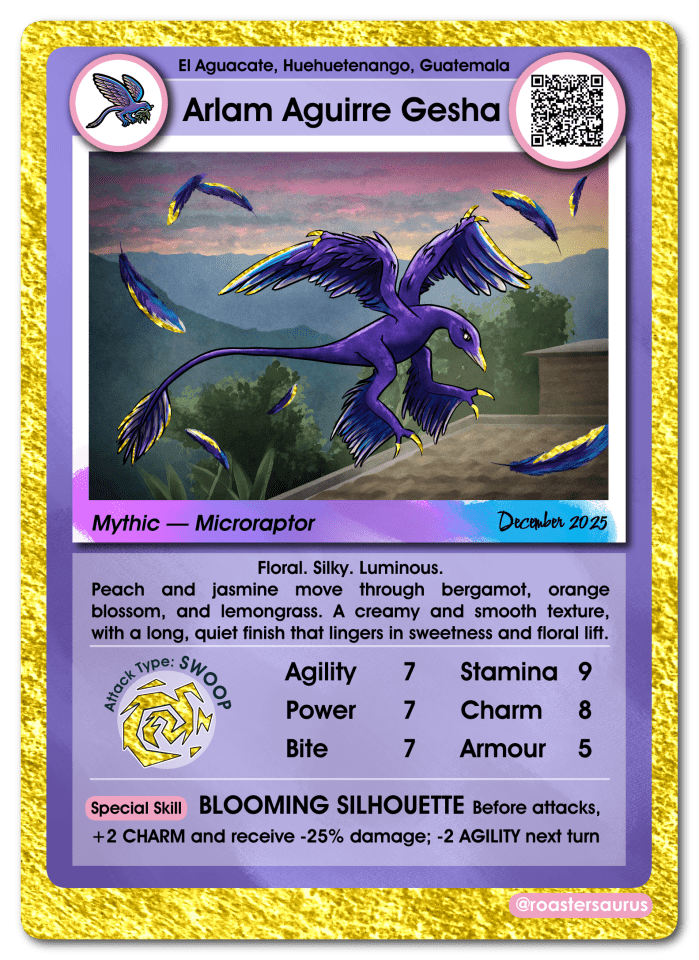
Illustrated by @kitsukaizen with original creature design by @killbeef, the Microraptor glides across the terraces of Huehuetenango. Feathers drift softly around her, light gathering along the wings as she circles in a quiet arc. This is the motion of Swoop, held in illustration before it lands in gameplay.

The drifting feathers mirror something that happens with Arlam’s roast itself. When ground, a fine gold-tinted chaff rises briefly and hangs in the air before settling. A gentle bloom, weightless and luminous. The artwork holds both moments at once: the glide of Swoop and the shimmer that lifts from the cup before flavour begins to unfold.

This release also marks the first gold foil Roastersaurus card, a Mythic in both character and form.

The Producer and the Farm

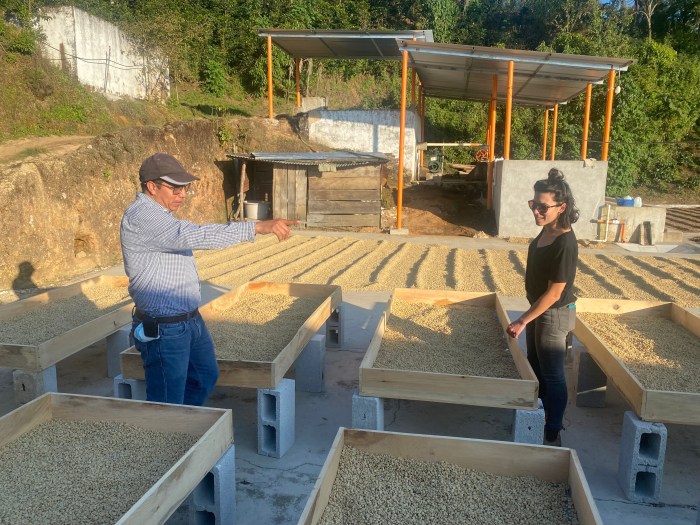
Arlam Aguirre and his partner Yoesmi are members of ASIAST, a smallholder cooperative in San Antonio Huista dedicated to ecological farming and long-term soil health. Arlam is an agronomical engineer and former Anacafé technician, bringing deep technical knowledge to cultivation and processing. His brother Klisman manages drying with equal care.

Their farm, El Aguacate, sits at 1,750 masl in Agua Dulce. Shade trees slow ripening. Terracing protects soil. Shrubs planted between rows help retain moisture in a climate that shifts quickly between dry and cool. Each detail is intentional, each decision shaped by observation.

The result is a cup that feels calm, balanced and luminous. A washed Gesha that behaves like a honey, carrying sweetness and clarity in equal measure.

Movement in the Roastersaurus World

Every Roastersaurus coffee carries a movement — the way its flavour, structure and energy behave in the cup. These movements come from the coffee itself, shaped by processing, terroir and roasting choices. While some dinosaur classes often lean toward certain instincts, the movement always belongs to the cup.

There are three movements in the Roastersaurus world:

Stomp
A grounded movement of weight and force. Cups with depth, mass and heavy sweetness often carry the Stomp instinct.

Stealth
A precise movement, clean and controlled. Washed coffees and structured naturals that strike with clarity often express Stealth.

Swoop
A movement defined by glide and intention. Fruit-forward or creamy cups with balance and softness, coffees that move between lift and depth, often reveal Swoop.

Each movement will be explored in more detail later this month as the game begins to unravel.

Swoop Revealed

Swoop is the only movement shaped by choice.
Where Stomp commits to force and Stealth commits to precision, Swoop pauses for a breath, letting the player decide how the moment will land. A cleaner strike or a deeper one, never both at once. It is a movement of intention rather than instinct.

Arlam’s Gesha carries Swoop perfectly. It can glow lightly or settle sweetly. It can lift or deepen depending on how it is brewed. It chooses its moment, unfolding rather than erupting.

How Arlam Moves When Brewed

This coffee is highly soluble and lightly roasted, which means it responds immediately to small shifts in brewing.

A gentle taper after first crack keeps the roast luminous, preserving jasmine-pearl aromatics while allowing a thin ribbon of nectarine sweetness to settle. The curve stays calm and controlled, giving the coffee the glide that defines Swoop.

Kalita Wave Filters, on Origami (4:00 drawdown)
Slow and steady, it lands with oolong-like texture and deeper peach sweetness.
A heavier, more grounded expression.

Sibarist or Meteor fast filter, on Origami (2:10 brew)
The cup lifts into peach and orange, with jasmine pearl brightness shimmering at the top.
A clean and precise expression.

Immersion
A deeper glide: nectarine, orange blossom, warm honey.
Soft, sweet, flowing.

Espresso (18g in, 45g out, 23 seconds)
Radiant and surprisingly citrus-heavy.
Bright orange, glowing sweetness, incredible for an espresso tonic.

This range of expression is exactly why Arlam moves with Swoop.
The cup can land clean or land deep, depending on intention.

Cup Character

Floral, silky, luminous.
Peach, lychee and orange with jasmine and bergamot lift, settling into a milk oolong finish with quiet radiance. Elegant, balanced and serene.

Collect and Discover

Each pack includes the first gold foil Microraptor card and the first appearance of Swoop, a movement shaped by intention. With this release, the Roastersaurus world continues to open. The layers of the game are starting to reveal themselves slowly and with purpose, much like the coffees that inspire them.

The last release introduced the cup statistics and how they describe flavour and structure. This release brings the next pieces. The card’s QR code takes you to the lore page, and this is where the newest gameplay features are revealed. Arlam’s page introduces the first example of a skill that activates before attacks, offering a quiet glimpse into how timing will shape the flow of a turn.

Over the next blogs, more of the system will continue to unfold. The three attack types will be explored in a way that links cup character to in game movement, and the brand story will deepen to show how each coffee, creature and card fit together. These features are not arriving all at once. They appear piece by piece, keeping the world fun to explore and allowing the structure behind it to settle naturally.

Arlam is not a beginning or an ending. It is the next step in the reveal.
More movements, more gameplay hints and more of the Roastersaurus world will continue to open from here.

For now, grab your bag here.

MEET MICRORAPTOR: RELEASED!

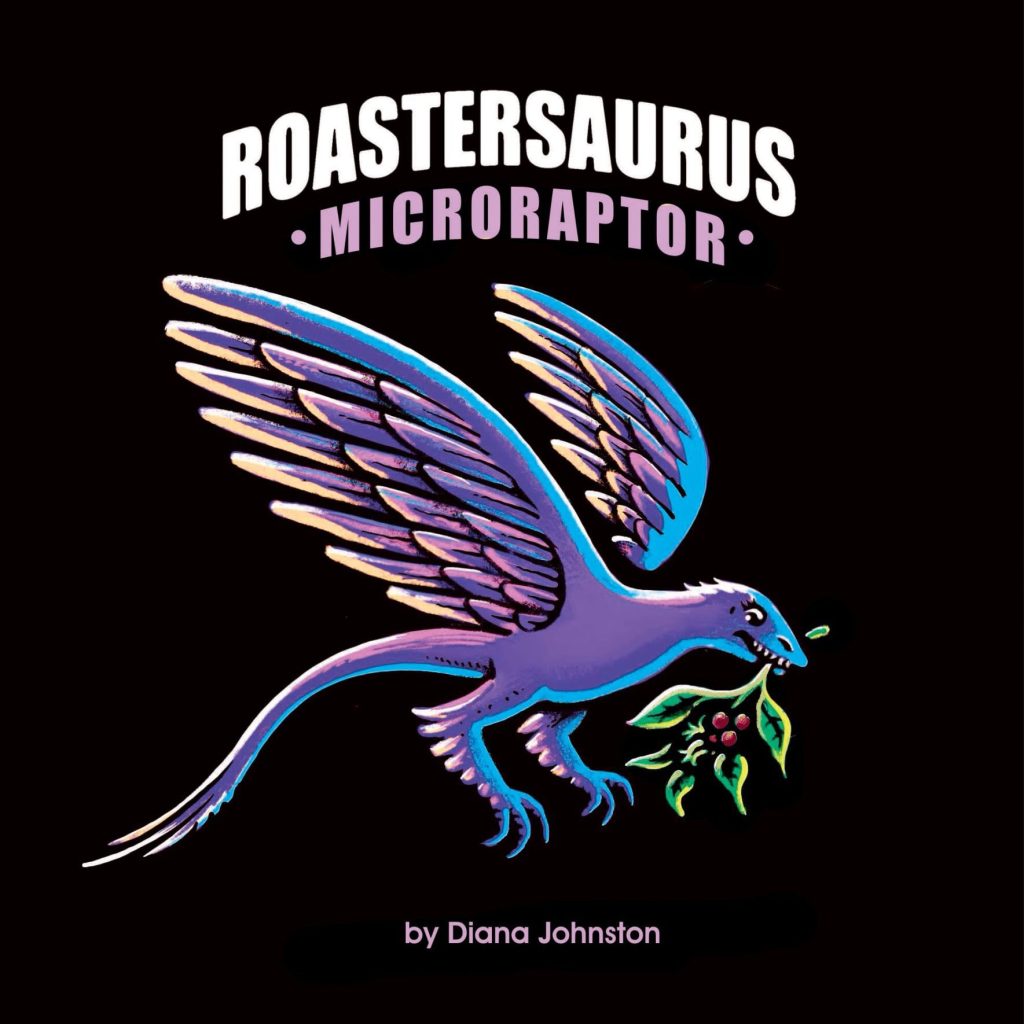
I’m excited to introduce Microraptor—the newest addition to the Roastersaurus line-up. Just like its namesake, a rare and elusive predator, coffees in the Microraptor collection are produced in tiny quantities, each one an exceptional find. Once again, my logo artist Santiago (@killbeef) has captured the essence of this category with elegance—wings outstretched, coffee cherry in beak—a perfect symbol for these rare and extraordinary coffees.


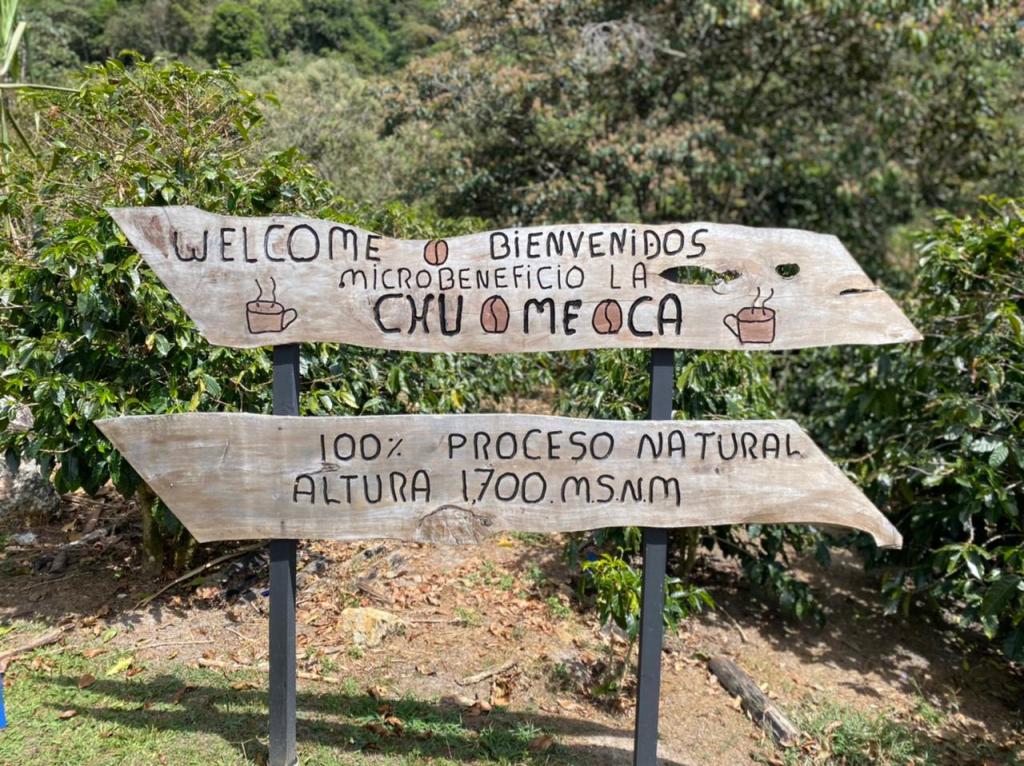
The first coffee to bear this name comes from Beneficio La Chumeca in Costa Rica, located at 1,700 meters above sea level, where they are masters of the natural coffee process. This release, Capulinero, takes its name from both the coffee’s process and the unexpected arrival of Capulinero birds, which coincided perfectly with the completion of its fermentation.


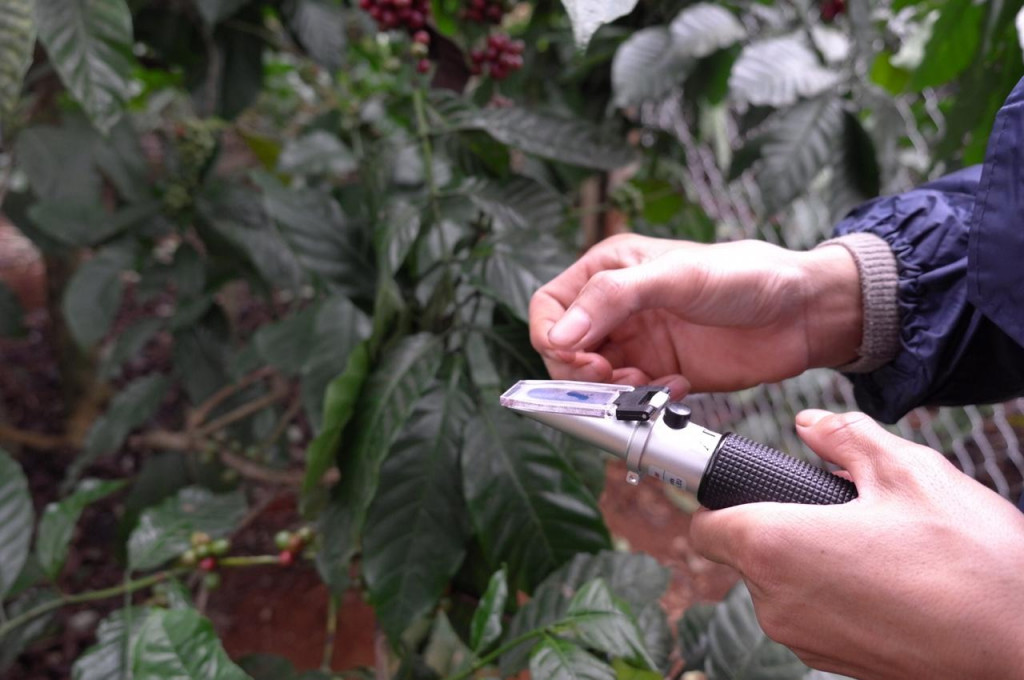
La Chumeca focuses exclusively on natural coffee, controlling every stage from soil nutrition to cherry selection. Their farms are shaded by banana and guineo trees, which slow the maturation of the coffee cherries, leading to greater sweetness and complexity while also supporting healthy soil and biodiversity. In addition the high-altitude environment further enhances the coffee’s complexity, allowing for slower cherry development and deeper flavour expression. Cherries are picked at 22 Brix, ensuring peak ripeness and maximum flavour potential.


The Capulinero process was an unexpected discovery, sparked by sudden rains. The coffee began with anaerobic fermentation in stainless steel before moving to an oxidation phase in outdoor bags. When heavy rains hit, the team had to return it to anaerobic fermentation—creating a three-phase process that was never planned. Strangely, during this time, flocks of Capulinero birds arrived on the farm, leaving only when fermentation was complete. The resulting cup was exceptional, and with such a serendipitous sequence of events, the process and coffee were named Capulinero.


What’s really cool is that they also decided to process the cascara from this coffee and did so in their ethos—by working with a neighbour who specializes in drying fruit. The cherry removed from the coffee was carefully processed to ensure the highest quality. For those who aren’t familiar, cascara is the dried skin of the coffee cherry, and it can be brewed into an infusion, similar to tea. When I first tasted the cascara, it immediately stood out as something exceptional, and I knew it was important to share both the coffee and cascara together.

Winey, Complex, Rare!


Expect a cup that evolves with every sip. It begins with lively, wine-like depth, followed by tropical notes like persimmon and mango, and a vibrant burst of berry flavours like fresh strawberry and mulberry. A rich, chocolate truffle base ties it all together. With both the coffee and cascara in this release, you’ll experience the full journey, from cherry to cup. Follow my Instagram and blog for updates on the coffee, cascara, and ways to enjoy them!

Grab your bag via my dropdown menu on this website, or simply click here.

So lets talk about Robusta.

It’s been a while since I’ve ventured into something a bit geeky, and given that I’ve roasted the last batch of TR4 Anaerobic Specialty Robusta last year, this one feels overdue. Today, we’ll explore Robusta—something we haven’t covered as much in previous blogs, but it’s about time we do so, especially in the context of specialty coffee. Before we get into that, let’s quickly recap some of the key topics we’ve covered before, as they’ll help provide some important context for today’s discussion.

A Quick Recap

About a year ago, I released An Introduction to Breeding and Coffee Plant Genetics’, a blog that covered the basics of plant breeding and genetics in coffee. If you haven’t already read it, I highly recommend it, as it’s a great way to understand how Arabica coffee came about, why it was a unique event, and the different waves of breeding that followed. The post concluded with an introduction to F1 Hybrids, showcasing them as an example of the third wave in coffee plant genetics.

I followed that up with ‘An Introduction to Selection, Stabilization, and Propagation’, where we explored how an F1 Hybrid is created, why stabilizing it is so difficult, and how stabilization is achieved. This piece goes into propagation, which will be useful for understanding some of the upcoming points about Robusta cultivation. If you haven’t read it yet, go ahead and check it out for some important context.

Robusta vs. Arabica

Now, let’s dive into the differences between Arabica and Robusta, both from a cup and genetic perspective. Most of our previous blogs have focused on Arabica, so it’s important to understand how Robusta fits into the picture.

Robusta, or Coffea canephora, is actually the parent of Arabica, and it has played a significant role in the development of the coffee industry. Vietnam remains the largest producer of Robusta, and its market share has grown over the past 50 years, largely due to its resistance to Coffee Leaf Rust (CLR). This resistance has allowed Robusta to thrive where Arabica may struggle.

Robusta’s Key Characteristics

Robusta trees can grow up to 10 meters tall, making them quite different from Arabica’s more compact structure. They thrive in lowland regions and are ideal for areas with higher temperatures, typically between 16-24°C. In fact, research over the past few years has shown that Robusta can be grown successfully in a narrower temperature range than previously thought.

Cultivating Robusta

In terms of cup profile, Robusta is often seen as having less complexity compared to Arabica. It’s generally described as having more undesirable attributes, like a more astringent or earthy flavor. However, for years, there hasn’t been much focus on improving Robusta quality, as it’s typically priced lower than Arabica. That’s beginning to change, though, as producers are starting to see the potential in Robusta when it’s given proper care.

Canephora, the species that Robusta belongs to, requires a different cultivation approach than Arabica. Unlike Arabica, which is self-pollinating, Robusta must be cross-pollinated to produce seeds. This results in a significant amount of genetic diversity within Robusta populations because it involves the crossing of genetically different parents.

As a result, Robusta doesn’t have the same established varieties like Arabica does. Instead, we refer to genetic groups of Robusta based on the regions where they are cultivated, such as Nganda in Uganda or Kouilou in Central Africa. These are not natural varieties but rather forms that have been characterized based on their unique genetic makeup.

Because of the genetic diversity in Robusta, propagation through seed tends to result in even more variability. To mitigate this, vegetative cloning (like grafting) is a much more reliable method for maintaining desirable traits, as it ensures more uniformity in the progeny.

Genetic Groups of Robusta

When we talk about Robusta in genetic terms, it’s important to note that it’s more commonly discussed in terms of genetic groups rather than varieties. There are five major genetic groups of Canephora, based on their natural distribution:

  • Group A: Found in Congo and Cameroon (S)
  • Group B: Found in Central Africa
  • Group C: Found in Central Africa and Cameroon (SE)
  • Group D: Found in Guinea and Ivory Coast
  • Group E: Found in the Congolese region

In places like DR Congo, Uganda, and Central Africa, Robusta varieties like Nganda and Kouilou are used as references for different cultivars. Interestingly, in Brazil, the name Kouilou is often used to describe a similar form of Robusta, known as Conilon.

DNA sequencing has become an essential tool in identifying and classifying these groups. By comparing the genetic sequences of different Robusta populations, researchers can understand how closely related they are, which helps in identifying their traits and mapping their distribution.

Robusta’s Role in Coffee Breeding Waves

Robusta has played a central role in one of the key waves of coffee breeding. As we’ve discussed in a previous article, coffee breeding has progressed in three major waves, with Robusta being influential in at least one of them. Canephora, in particular, is the parent of Arabica, and it has contributed to the development of hybrid varieties, especially the Timor Hybrid, which played a vital role in creating CLR-resistant cultivars. Robusta is also commonly used as rootstock for grafting Arabica onto, providing added resistance and other benefits.

The development of specialty Robusta coffees, like the TR4 Anaerobic Specialty Robusta I just roasted, is the next step in this process. By focusing on cultivation techniques and post-harvest processing methods, we can create a Robusta that brings forward more desirable flavors and complexity, much like we’ve done with Arabica over the years.

TR4 and the Future of Specialty Robusta

The TR4 Anaerobic Specialty Robusta is a prime example of what can be achieved when we approach Robusta cultivation and processing with the same care and attention to detail as we do with Arabica. With its unique anaerobic fermentation process, this Robusta brings forward a cup that has depth, complexity, and a unique profile that showcases what’s possible when we apply modern techniques to traditionally underappreciated coffees.

In conclusion, while Robusta has historically been seen as a lesser coffee compared to Arabica, it’s clear that there’s a growing movement within the specialty coffee world to explore its potential. From genetic understanding to cultivation methods, there’s a lot more to discover about Robusta—and the future looks bright for this often-overlooked species.