Before I met Avelino

Two coffees on a blind table in Santuario

I met these coffees before I met Avelino.

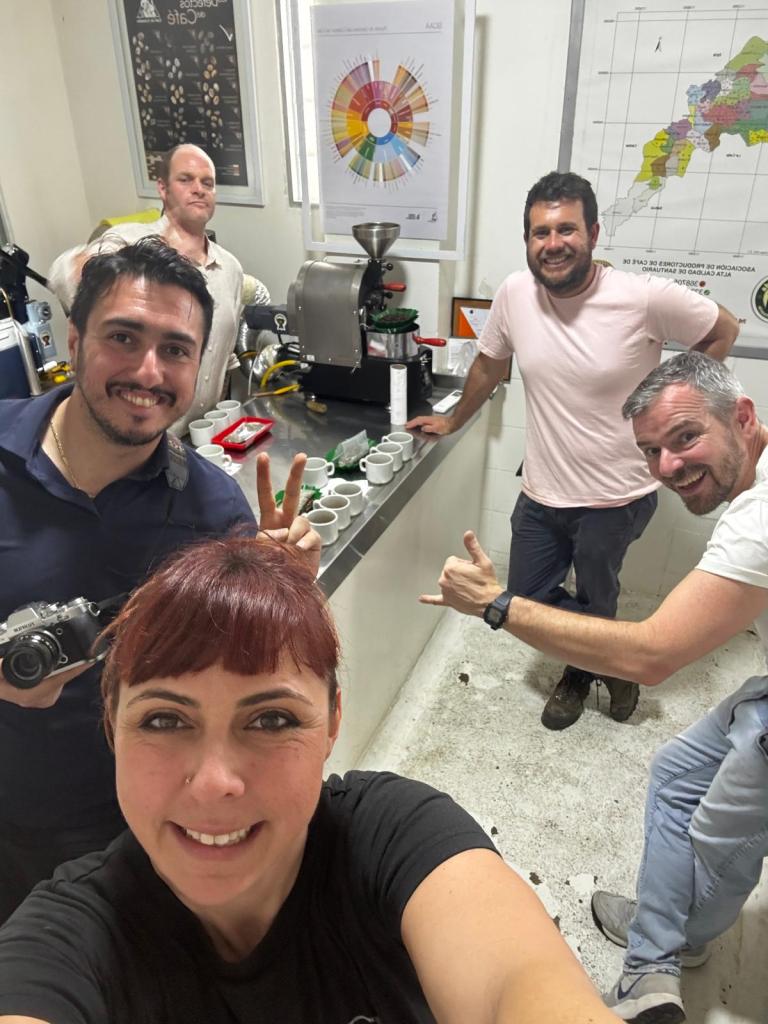
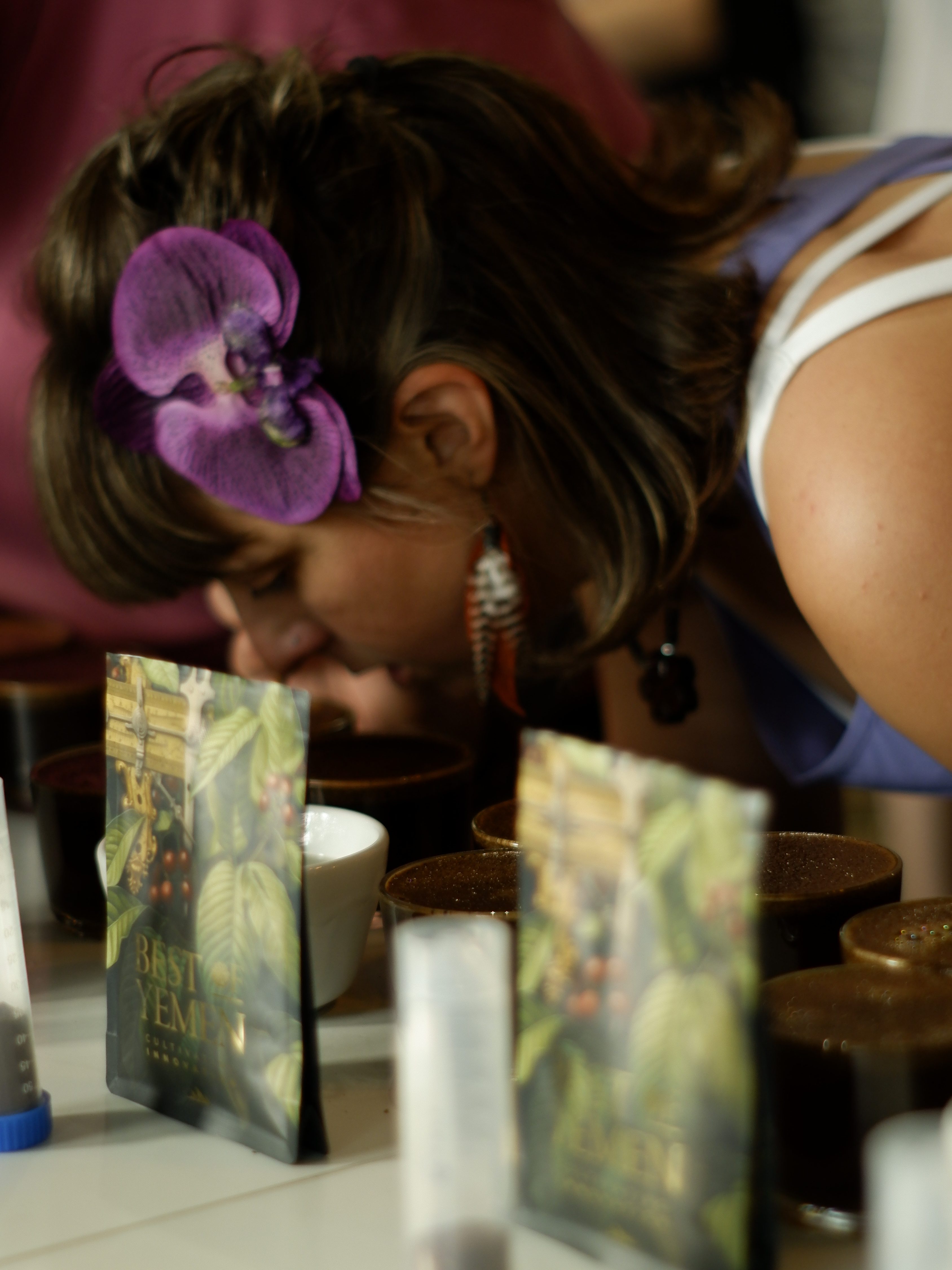
That feels like the right place to start, because the whole release began with taste before it had a name, a farm, a face, or a story attached to it. I was in Santuario, Colombia, cupping coffees from the region after travelling there with Raw Material, and at that point I was just following the table. No producer reveal, no card idea fully formed, no neat little narrative handed over with the samples. Just bowls, spoons, and the question I always come back to with Roastersaurus: is there something here that can become part of the world?

I never wrote one big blog about my Colombia trip, partly because the trip was too full to flatten into one neat travel post. Instead, I think the story is going to come out through the coffees themselves. Each release opens a different part of the trip, and this one starts in Santuario, before I met Avelino.
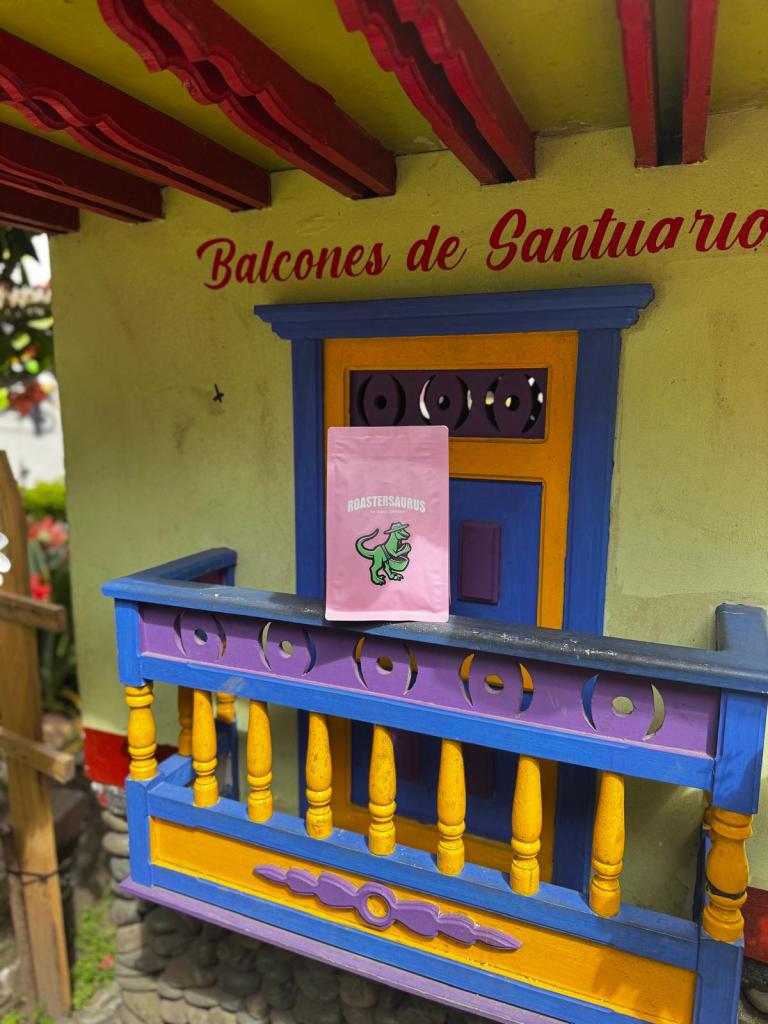
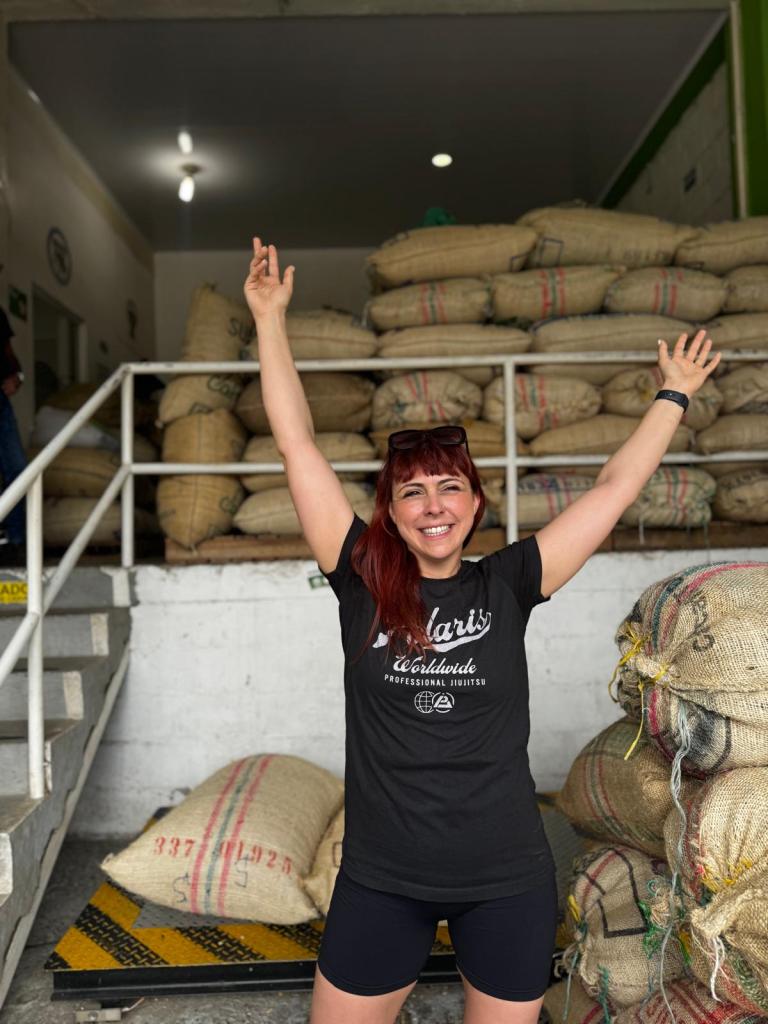
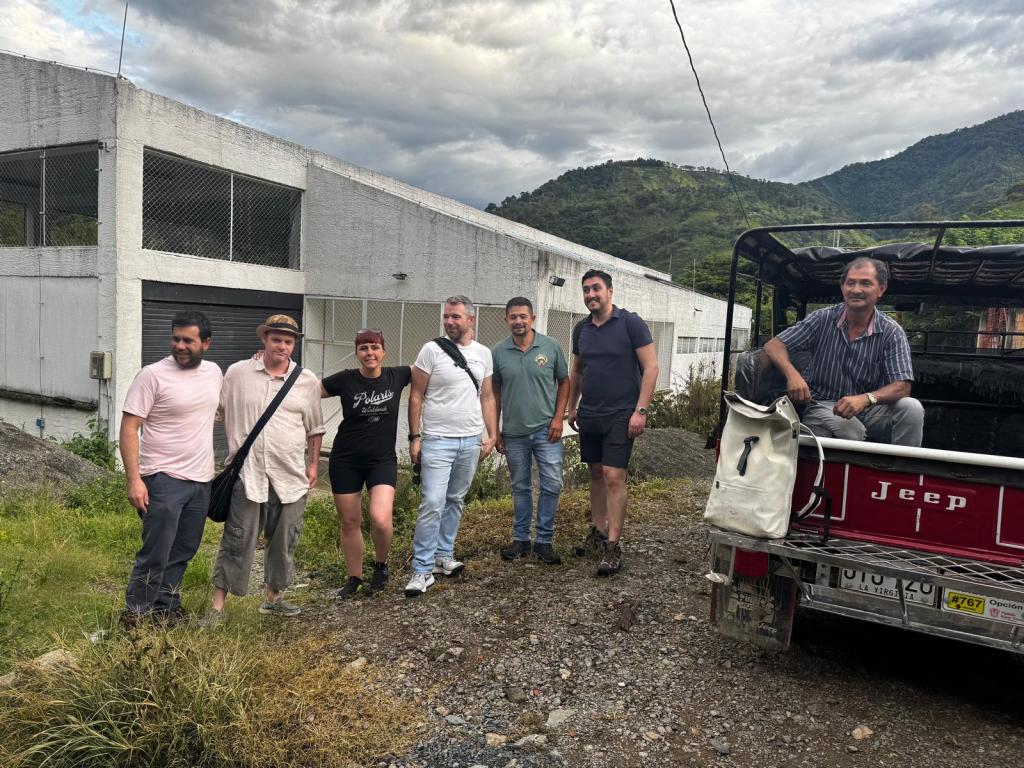
This trip was not only about buying coffee. It was about understanding where these coffees come from, how they are being produced, and what kind of stories are sitting behind them before they ever land in the UK. I was also wearing more than one hat. Saint Espresso and Roastersaurus are different brands with different needs, and I do not choose coffees for them in the same way. Saint has its own structure, tone, and customer base. Roastersaurus gives me another kind of freedom: to follow curiosity, character, strangeness, play, and those sensory moments that feel like they could turn into a creature.

That does not always mean choosing the loudest coffee on the table. It does not mean chasing the wildest fermentation, the most expensive variety, or the cup that shouts the hardest. Sometimes the right coffee is the one that keeps making you go back to it because there is something there: a shape, a movement, a feeling, a little hook in the cup.
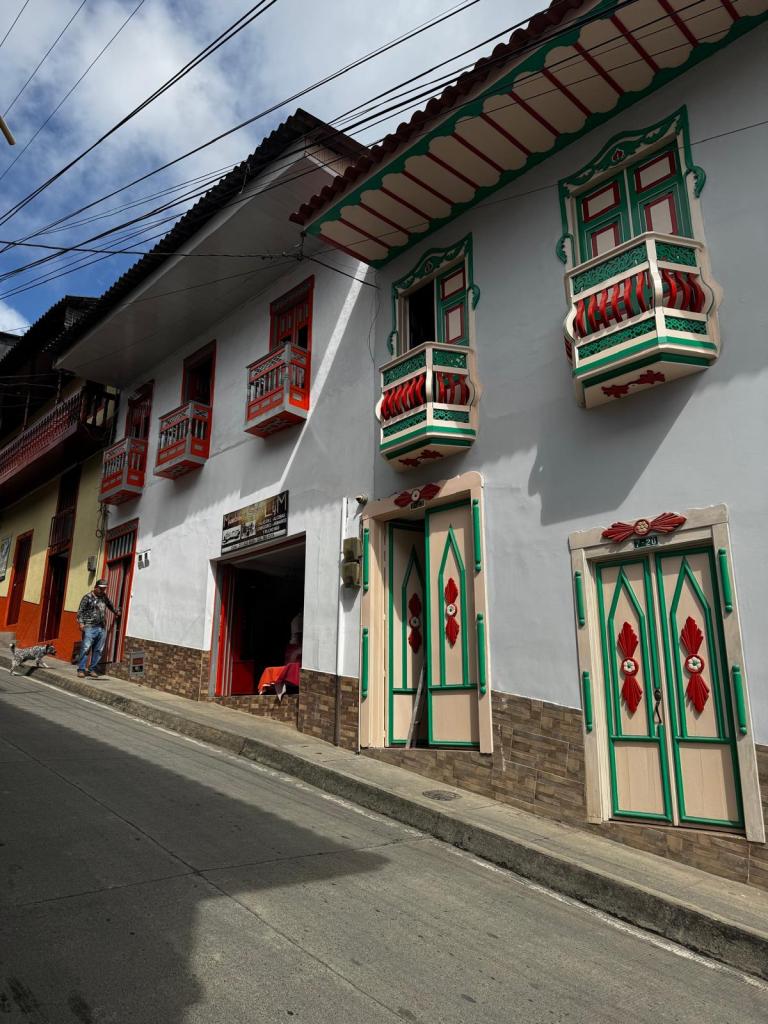
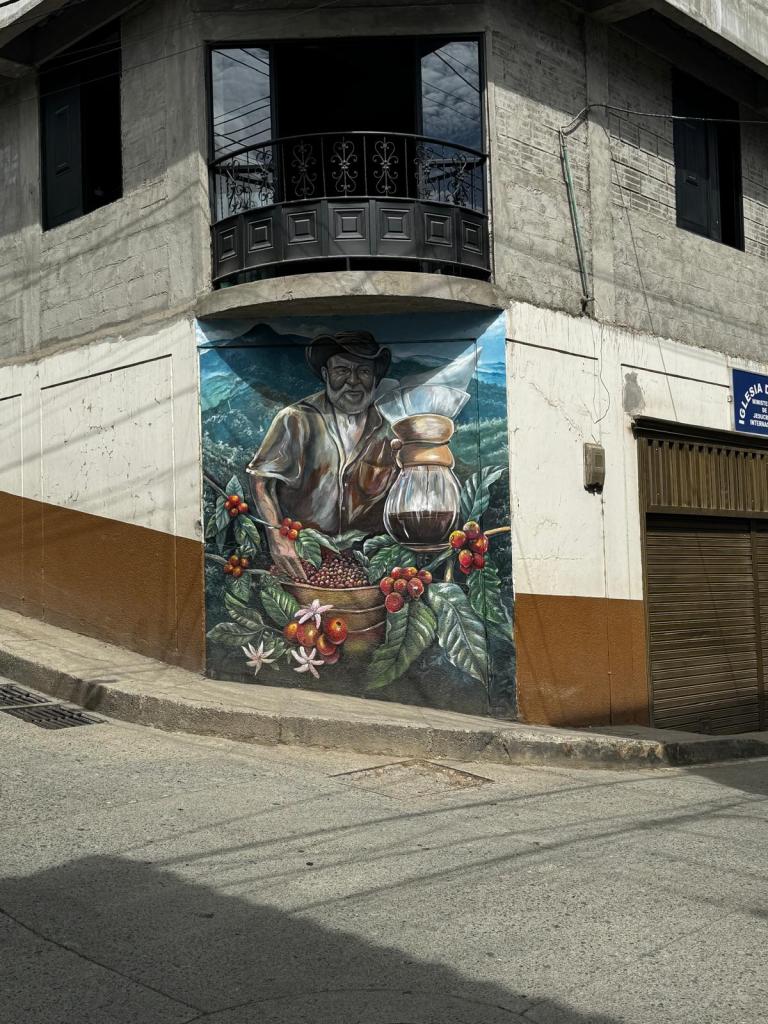
Santuario had that feeling.

La Perla de Tatamá

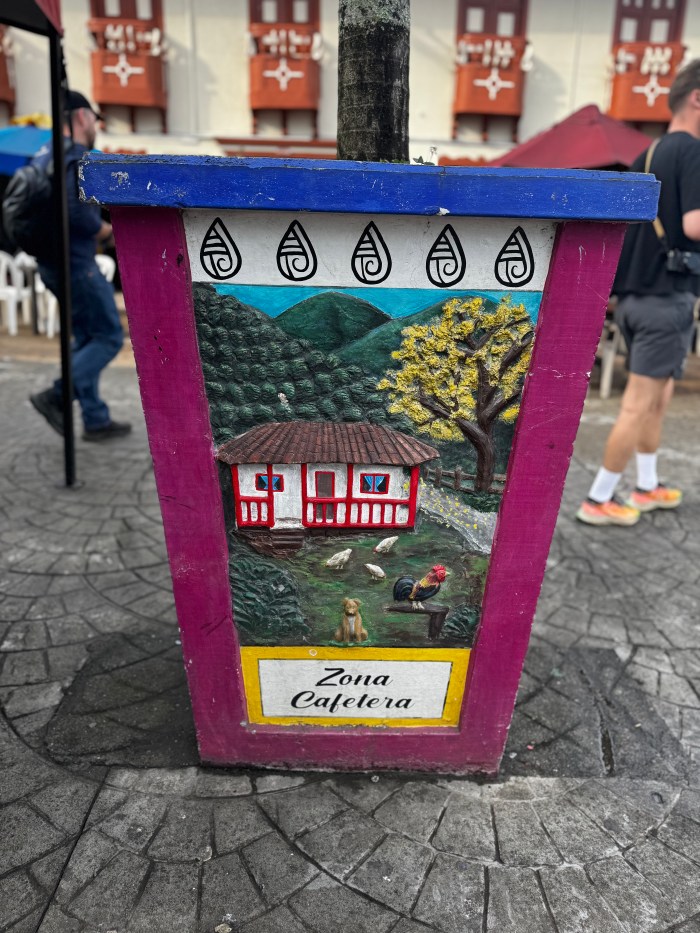
Santuario is known as La Perla de Tatamá, and once you start hearing the story of the place, that name begins to make sense. The municipality sits in the influence of Tatamá National Natural Park, a protected area of around 48,000 hectares that stretches across three departments. Tatamá was described to us as a kind of green lung for the region, connected to the waters that feed towards both the Atlantic and the Pacific.
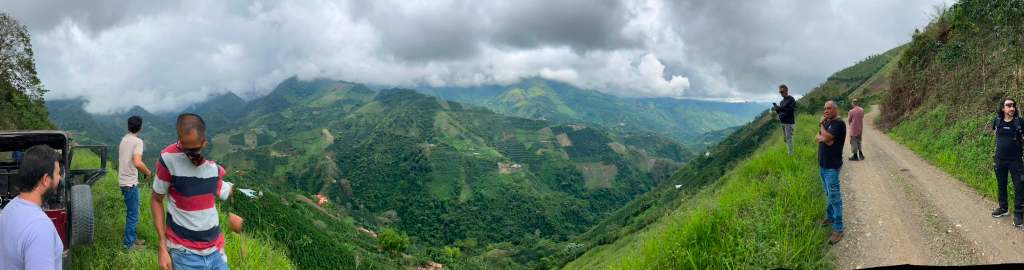
Coffee is not a small side detail in Santuario. It is the main economy of the municipality, with around 5,800 hectares planted in coffee, and Santuario is one of the major coffee-producing municipalities in the department. Most of the municipality is rural, and that matters because coffee here is not separate from daily life. The town, the surrounding farms, the association, the café, the buying station, the conversations, they all sit together.
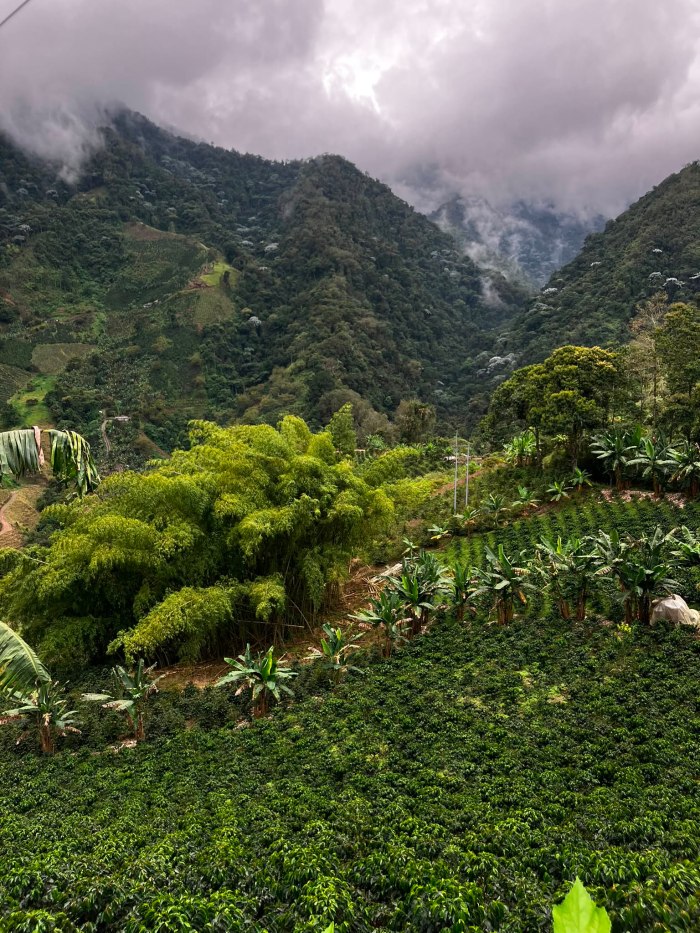
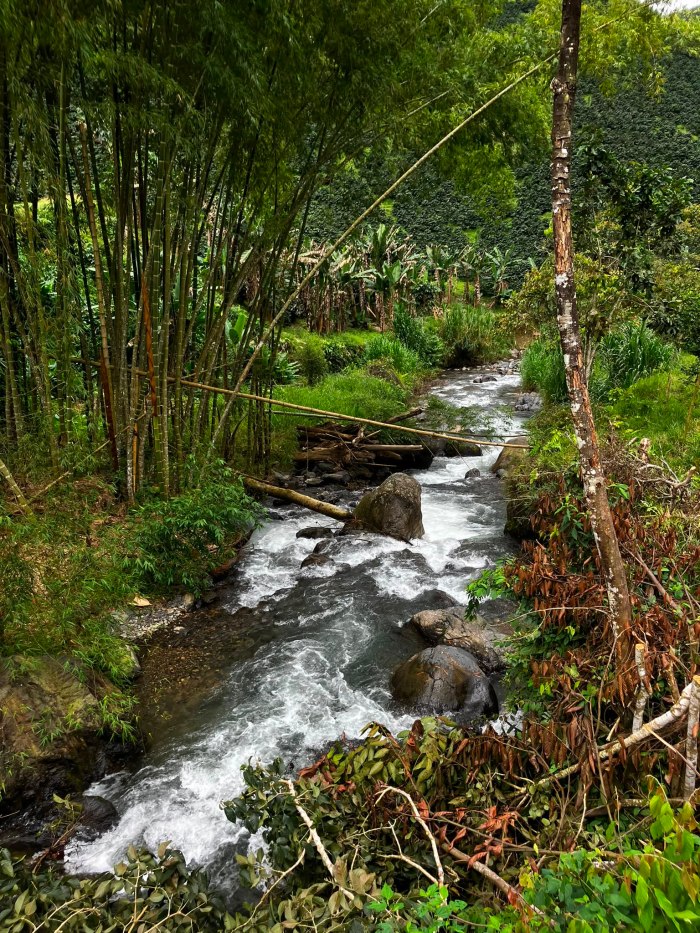
That wider context helped me understand why Asocafé Tatamá exists in the way it does. Their logo itself pays homage to the park, with the mountains behind it and an endemic frog holding coffee beans. I loved that detail because it says a lot about what the association is trying to hold together: environmental sustainability on one side, and economic sustainability for coffee-producing families on the other.

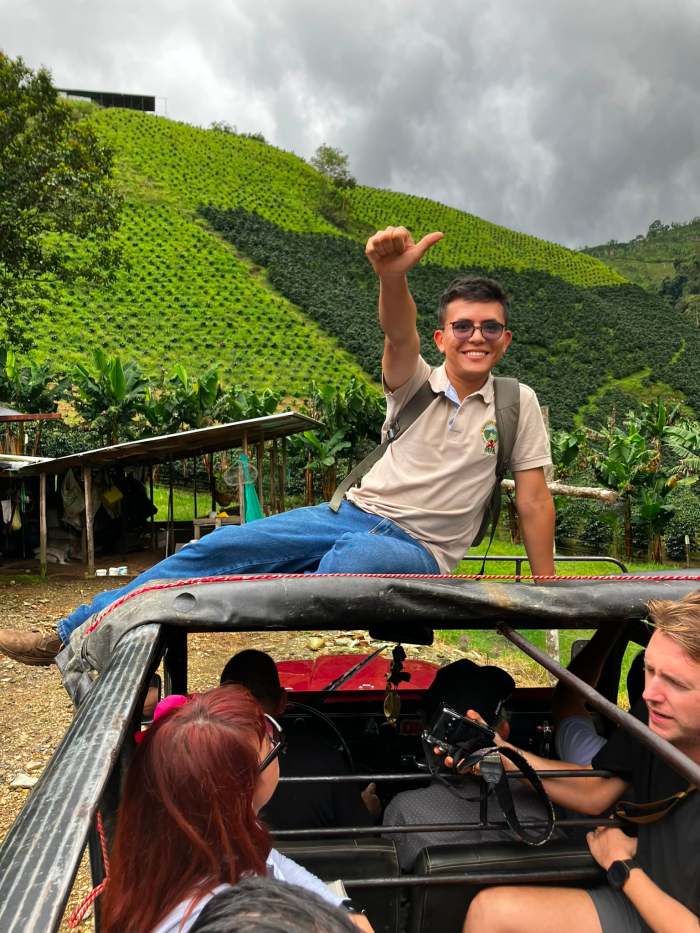
That balance became one of the threads of the visit. Santuario is beautiful, but this is not a postcard story. It is a coffee town, inside a protected landscape, trying to build something that allows small producers to create more value from the coffee they grow.
Asocafé Tatamá

Asocafé Tatamá began in 2012, partly as a response to the difficulties producers were facing in the coffee sector: low prices, uncertainty in agriculture, and the feeling that coffee was not always working as a profitable industry for the families producing it.

At first, from around 2012 to 2015, the association was focused more on projects that could bring direct support to producers on farm. But the lesson they described was very clear: direct help on its own was not enough to solve the deeper problem. If producers were going to build a more dignified and sustainable life through coffee, the answer had to involve added value and fairer payment for the coffee itself.
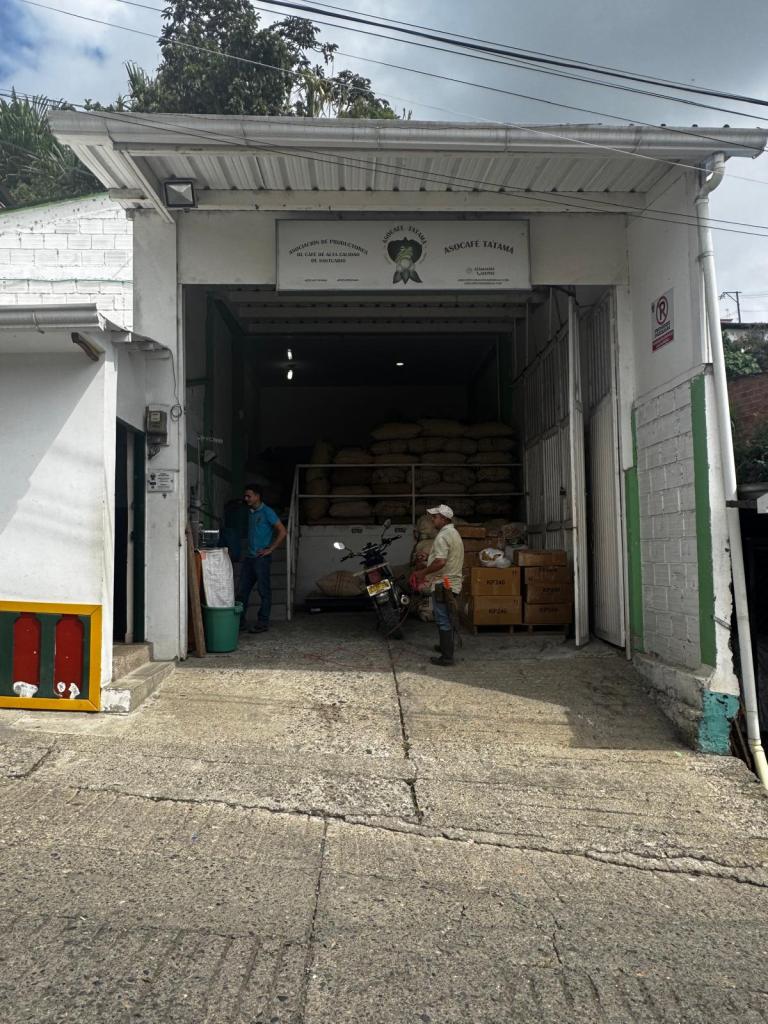
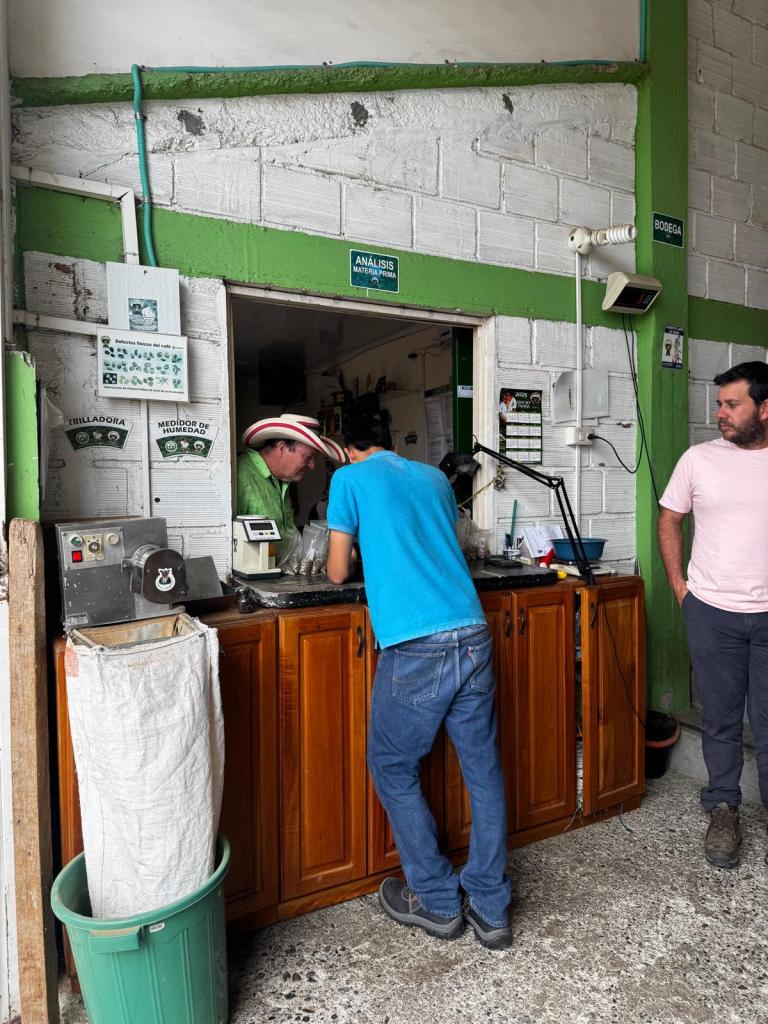
So the association started shifting into something more commercial and quality-focused. They built out collection, a basic cupping lab, training, and a structure that could help producers understand coffee beyond the farm gate: processing, cupping, quality, and commercialisation. In 2016, they began collecting coffee and operating with a basic cupping laboratory. Around 2017 to 2018, their relationship with Raw Material helped consolidate larger-volume direct sales and a more stable commercial route.

That matters because the coffees I tasted in Santuario were not sitting on a random table. They were part of a local structure that has been built, step by step, to help producers access feedback, quality assessment, and better routes to market.
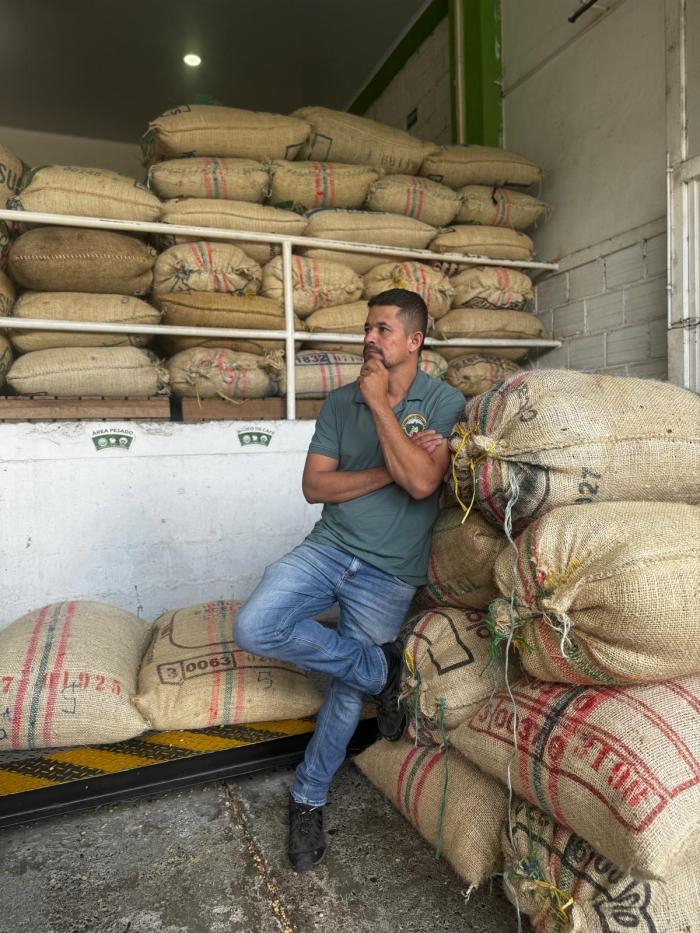
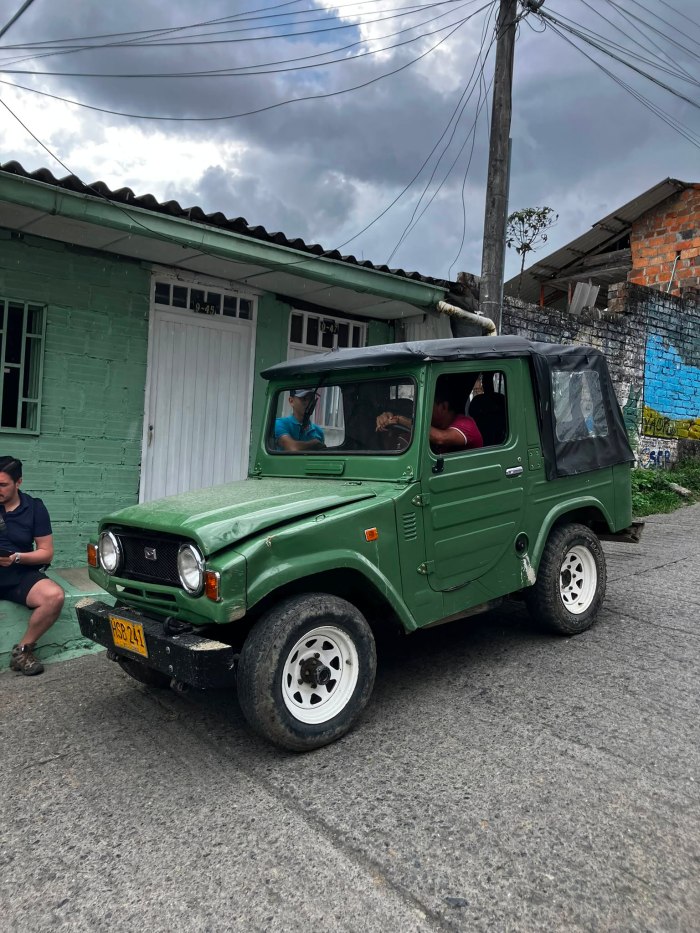
A café owned by producers

One of the parts I loved most was the café in town.

Asocafé Tatamá began exploring roasting in 2019, partly because there was not really a local option for producers to roast their own coffee in the municipality. Many producers were used to drinking commercial coffee brands, rather than being able to roast and drink the coffee they had grown themselves.

So the association started roasting. They began with around 500 pounds of coffee, and now roast significantly more for the local market. That step alone feels important, because it gives producers a chance to taste their own work as a finished product, not only as parchment that leaves the farm.
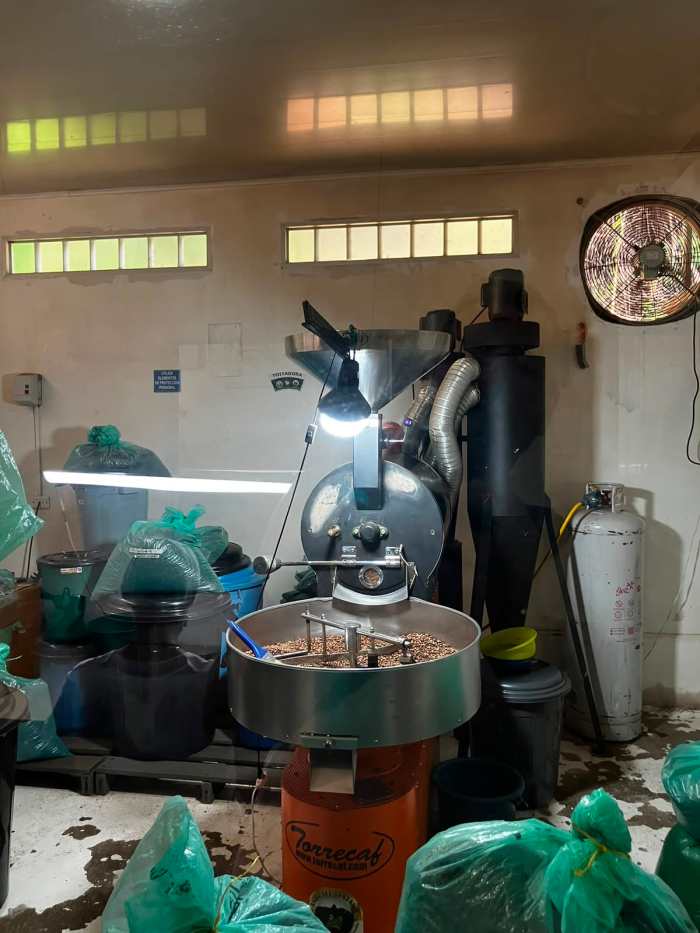
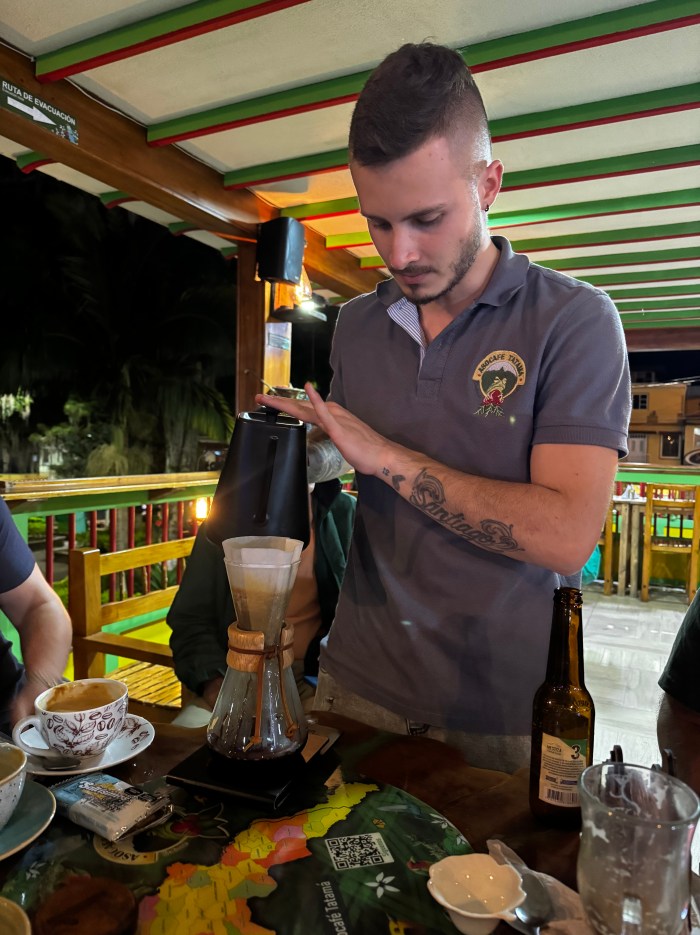
Then they went further and opened a café in Santuario, around 2021 to 2022, with the support of the local government. The idea was to create a coffee shop owned by producers, where the town could taste the best coffees being produced around them.

That is a bigger thing than it sounds.

For people on the consuming side of specialty coffee, tasting origin coffees in a café can feel normal. For producers, especially smallholders, that is not always the case. The coffee can leave the farm as parchment and become something else somewhere far away, tasted by people the producer may never meet. In Santuario, that loop becomes a little shorter. The coffee comes back into the cup, in the town where it was grown.
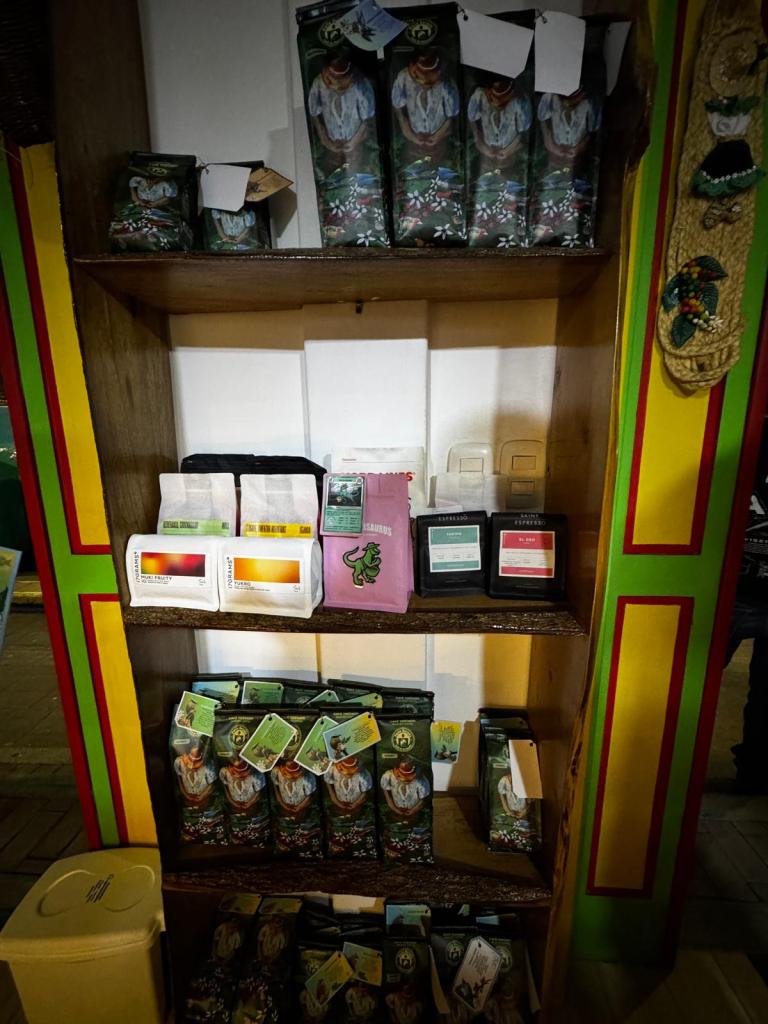
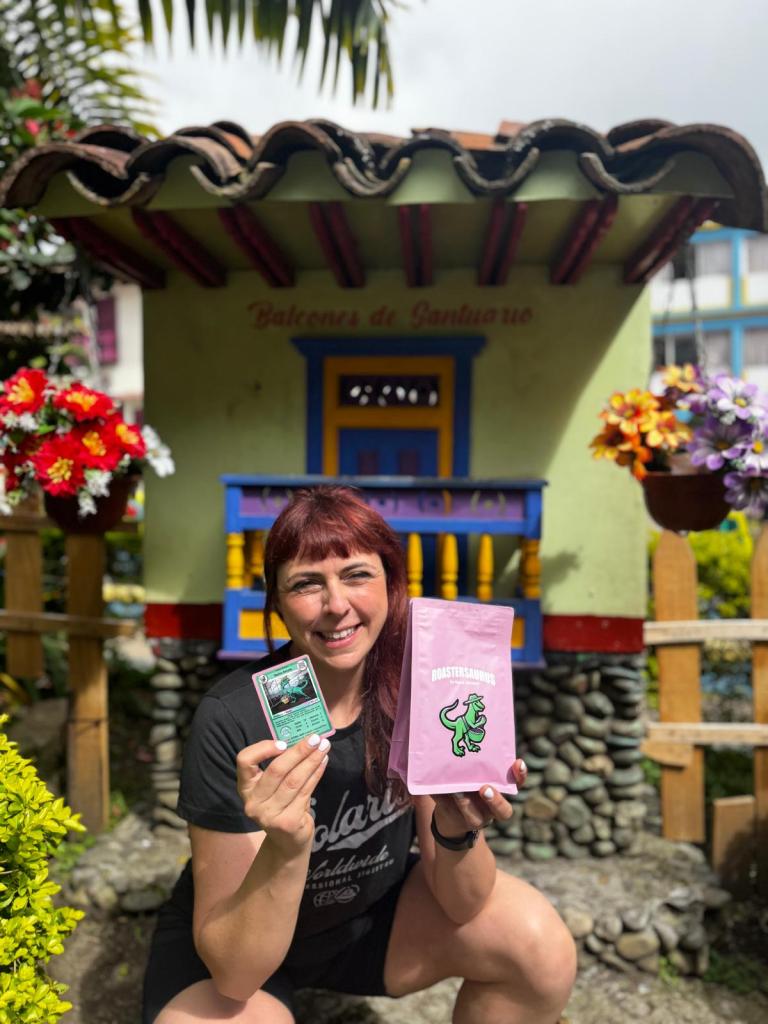
I had also been asked to bring a coffee from another country, so I brought Basha Bekele from Ethiopia, one of my Roastersaurus releases. It was brewed in the café, and local customers, producers, and producer families tasted it. There was something very special about that: an Ethiopian coffee from my world being tasted in a Colombian coffee town, by people whose own coffees were also being tasted and shared in that same space.

That is exactly the kind of exchange that makes coffee feel bigger than buying and selling. It becomes a way of expanding reference points, sharing quality, and letting people taste beyond the borders of their own production.

Building the value chain locally

The association has kept building from there. They have moved into small-lot export, helping coffees from the region reach clients in different parts of the world, especially where smaller lots and microlots need a more direct route. They have exported containers, but their strength seems to sit especially in smaller lots, the kind of coffees that can be difficult to move through more conventional structures.
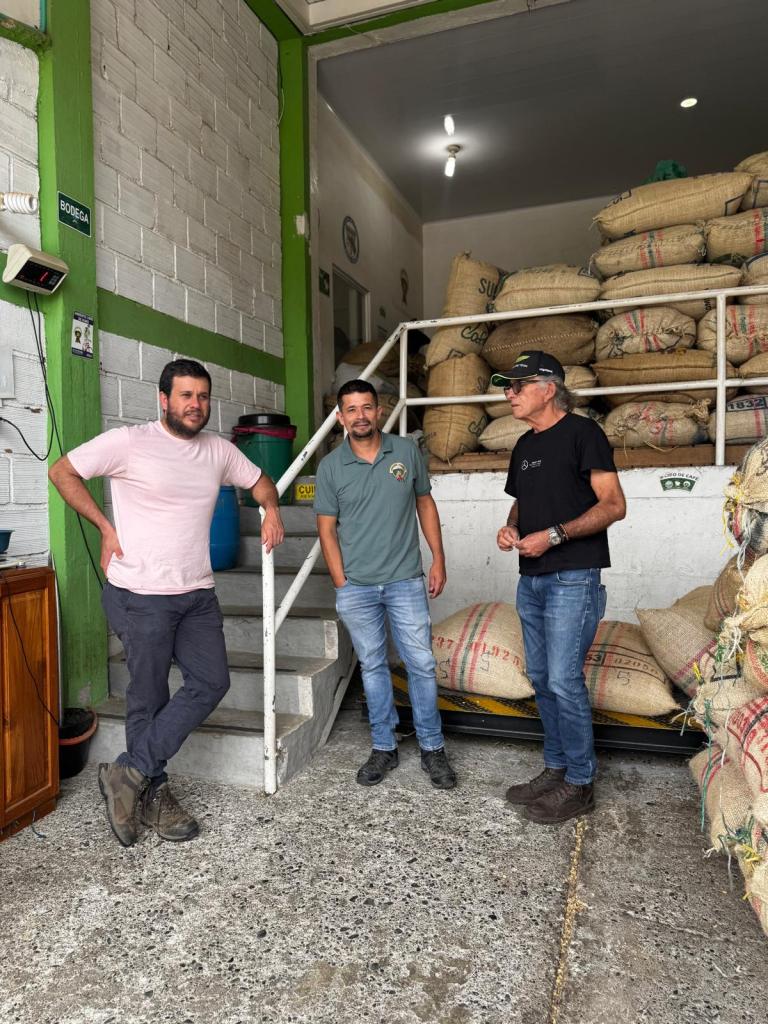
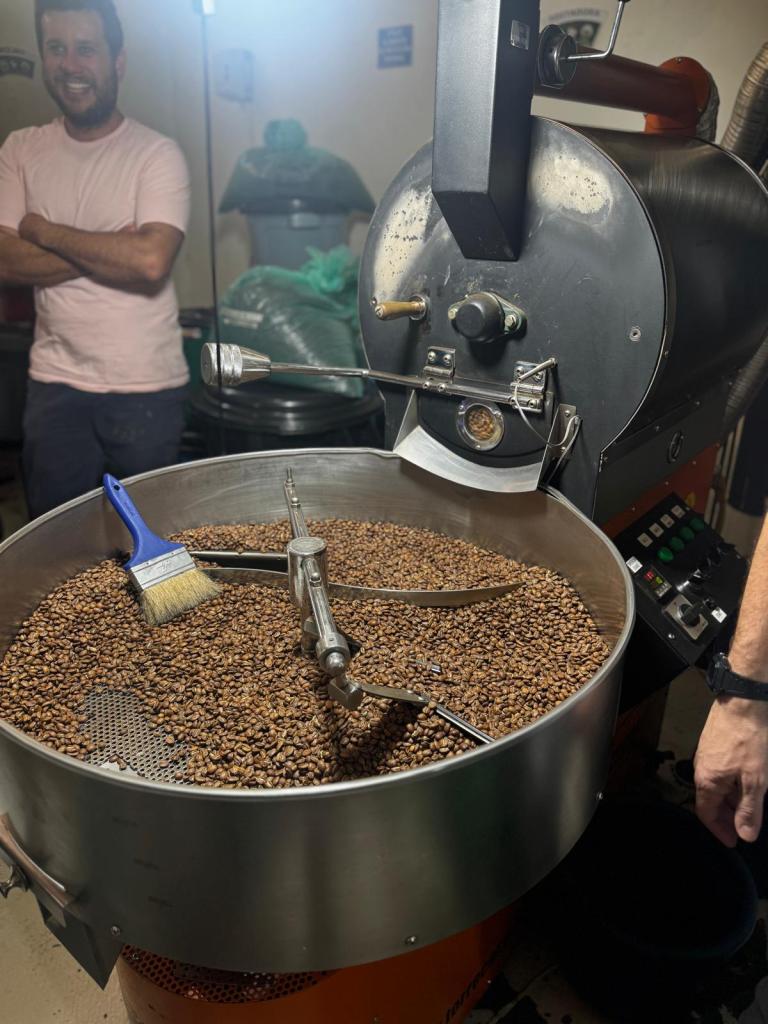
They are also investing in more infrastructure: dry milling, roasting, and a fuller processing line that can keep more of the value chain connected to Santuario. I do not want this blog to become a machinery catalogue, but it matters because it shows the direction of travel. This is not an association sitting still. It is trying to build a fuller ecosystem around coffee: collection, quality control, roasting, café culture, export, and now more infrastructure to support that growth.

That was the world around the table when I cupped Avelino’s coffees.

Back on the sample roaster

After visiting the space and seeing more of how the buying station works, we were given a group of green samples to roast and cup. This was also a little personal joy for me, because before Saint and before Roastersaurus, I spent almost five years working in green coffee. A big part of my job was tasting and evaluating coffees, and another big part was roasting those coffees so they could be assessed properly.
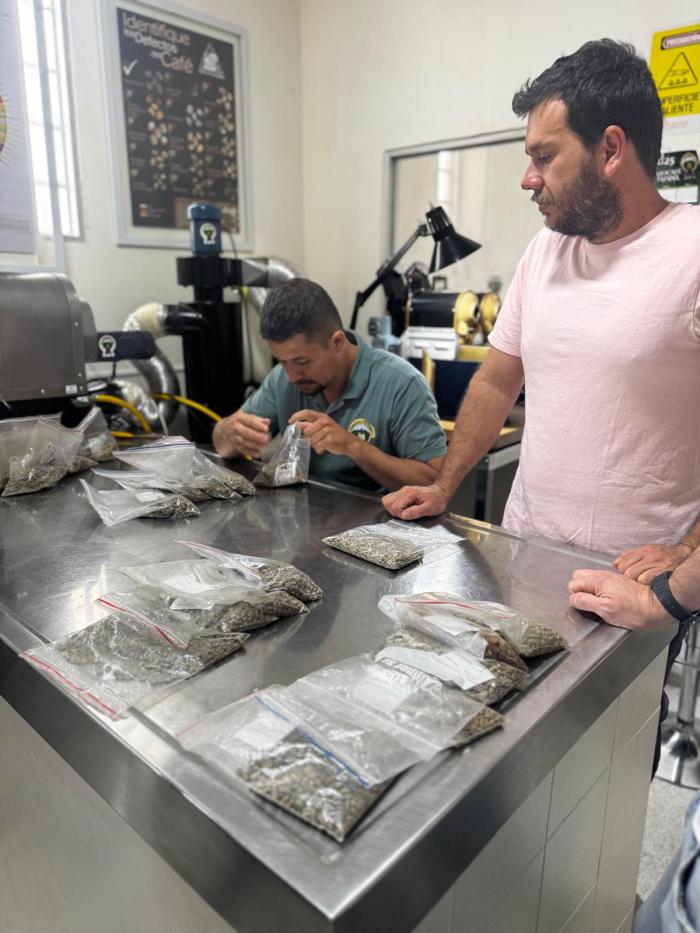
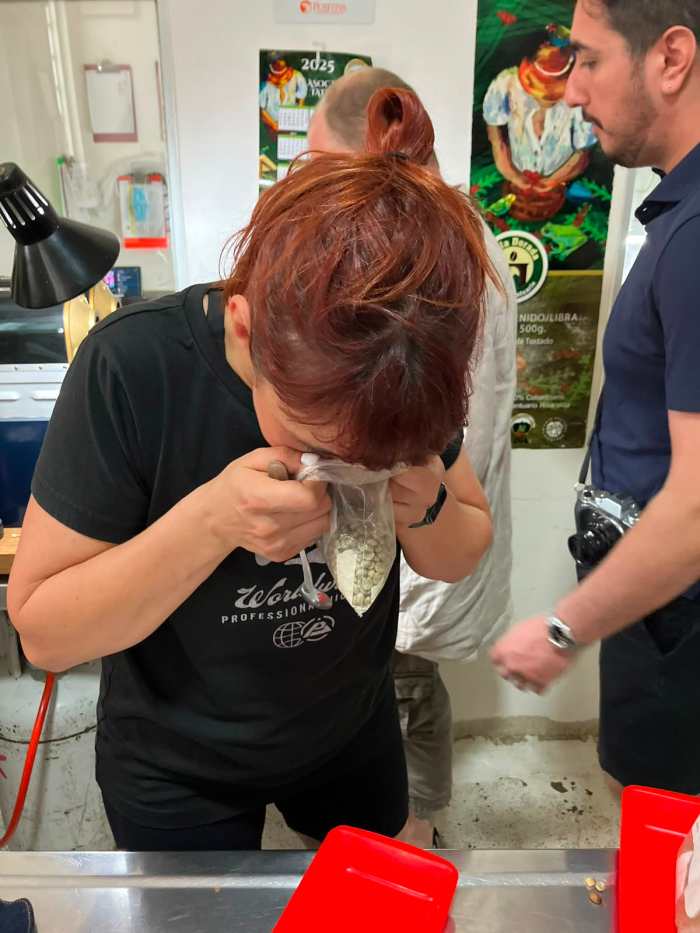
So being handed samples in Santuario and getting to sample roast again felt like stepping back into an old rhythm, but in a completely different setting.

Most of the other roasters I was with had not sample roasted on a small sample barrel roaster before, so I got to show them how I approach that style of sample roasting while we roasted through the coffees for the table. It was one of those small trip moments that probably sounds very simple from the outside, but felt genuinely fun: a bit of practical knowledge, a bit of shared curiosity, and the build-up before everyone gets their spoons into the bowls.
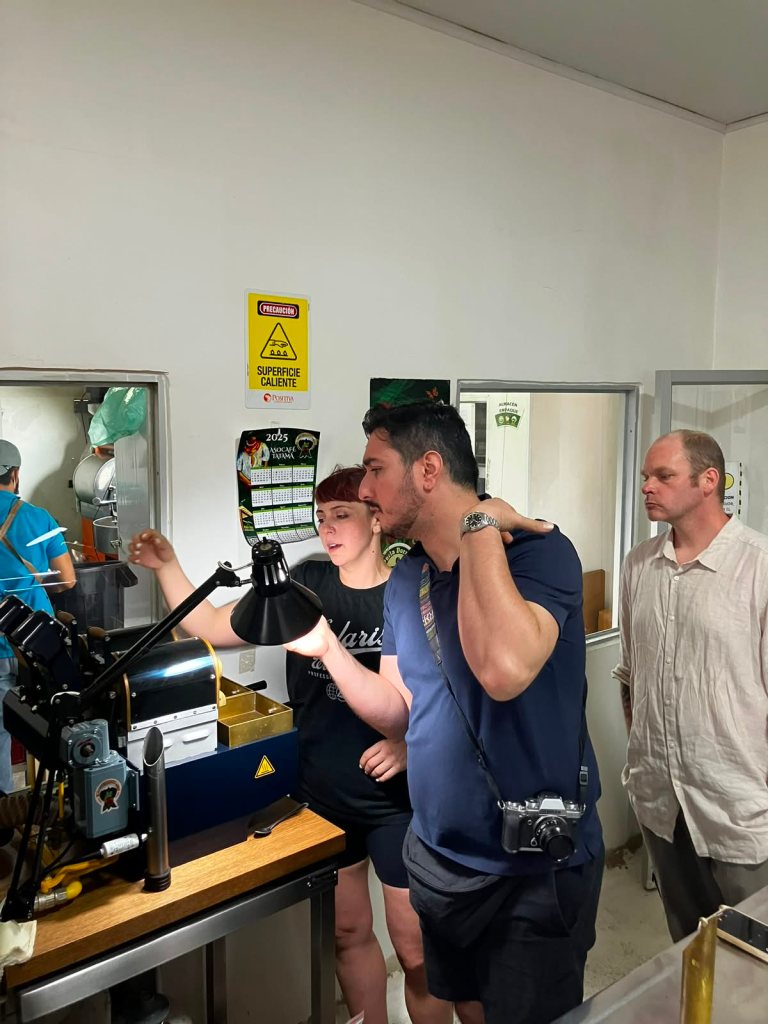
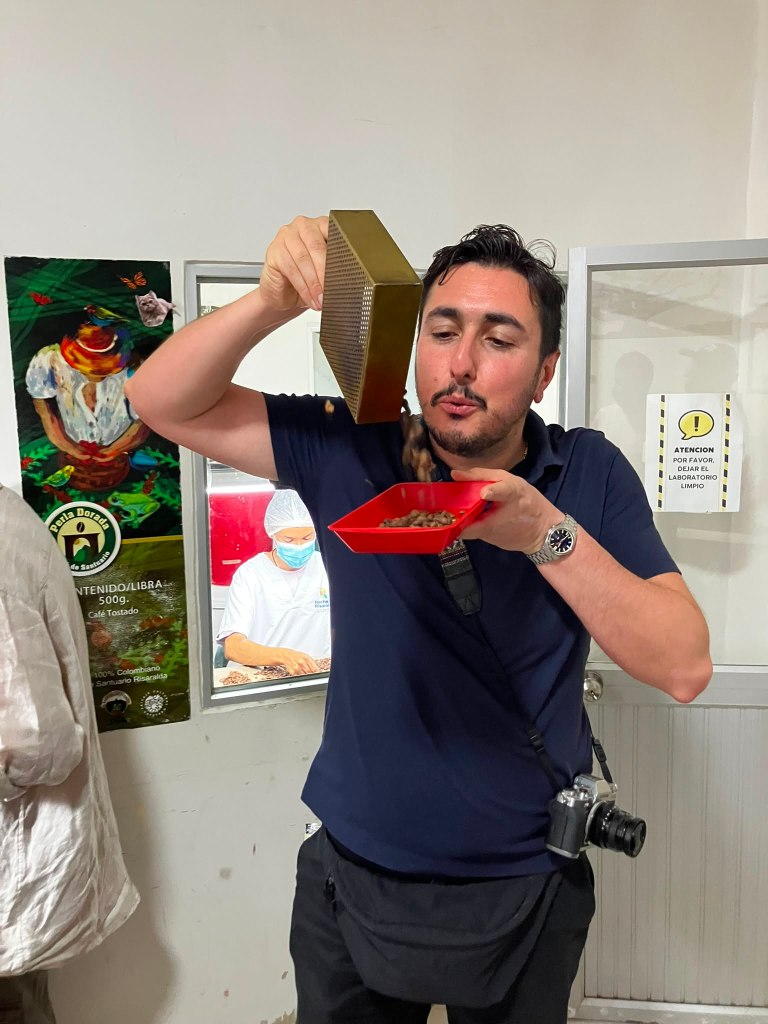
Then we cupped.

There were a lot of coffees on the table, and of course there were several that people liked. That is always the strange little social theatre of sourcing: everyone quietly finding what they love, hoping no one else has fallen in love with the exact same thing, trying to work out what is possible, what is available, and what makes sense.

For Roastersaurus, I also had another thought in mind. I did not want to split a microlot if I could avoid it. I wanted to bring back something that would be unique to my customers, something that would not simply appear in several other places at the same time. That meant I did not necessarily chase every coffee that scored well or attracted attention. I was looking for the ones that felt right, and that I could actually keep whole for this release.

Two coffees kept pulling me back.

One was bright, juicy, fresh, and full of energy. It had this red fruit brightness, a clean lift, and a kind of speed in the cup that immediately made me think Raptor. The other was still fruity, but deeper. More cola-like, more pulled into sweetness, with something darker and more grounded. That one felt like it was moving toward T-Rex.

At the time, I did not know they were connected. I only knew I wanted both.
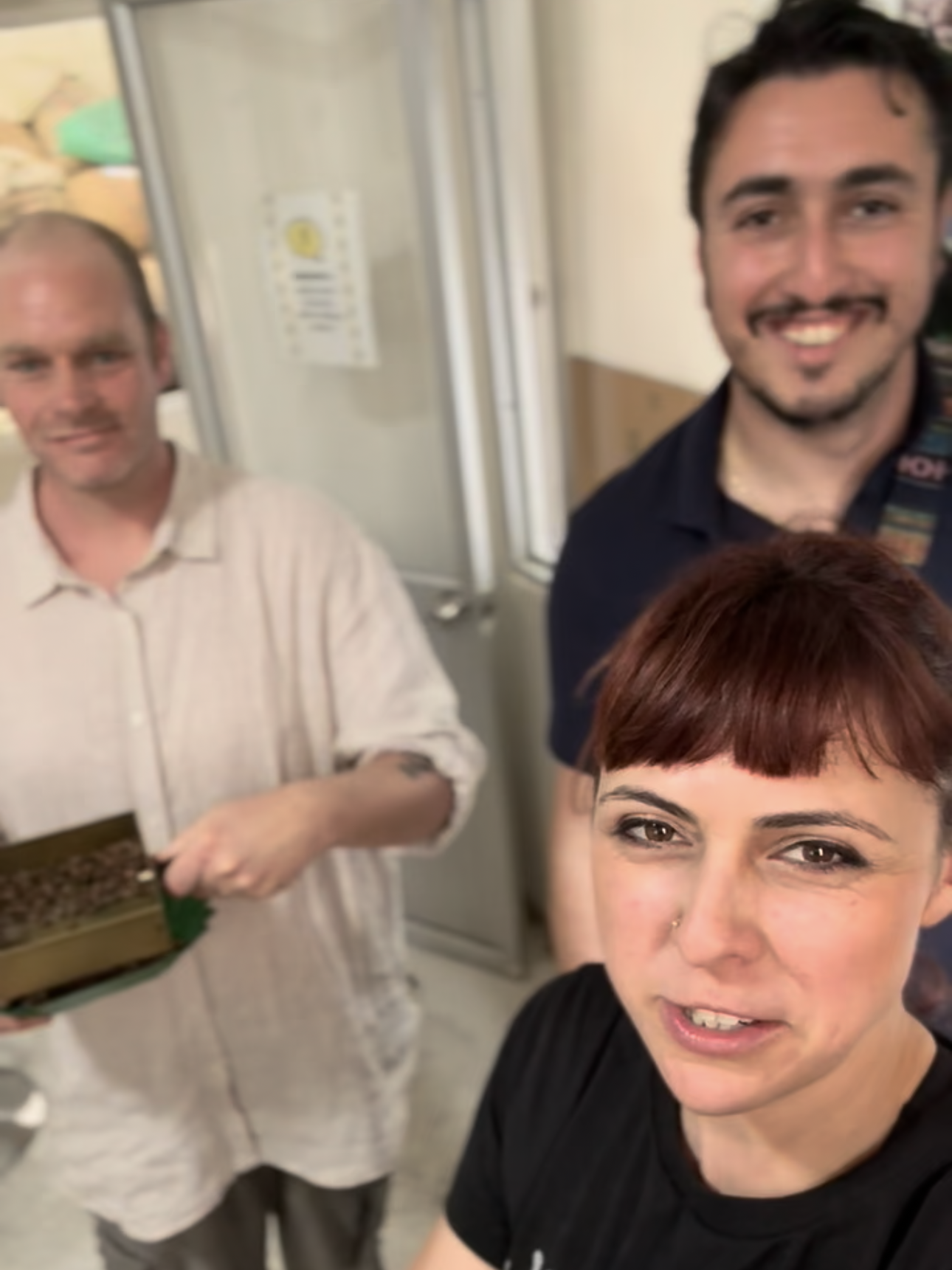
The reveal

The reveal

When I asked about the coffees, the whole thing suddenly became much more interesting.

Both were from the same producer: Avelino Mena. They came from the same farm, through the same remonta washed process, but they did not feel the same in the cup. The difference was time.

At that moment, the cards did not exist yet. The mirror artwork did not exist yet. The Raptor and the T-Rex were only just starting to form in my head from the way the coffees moved on the table.

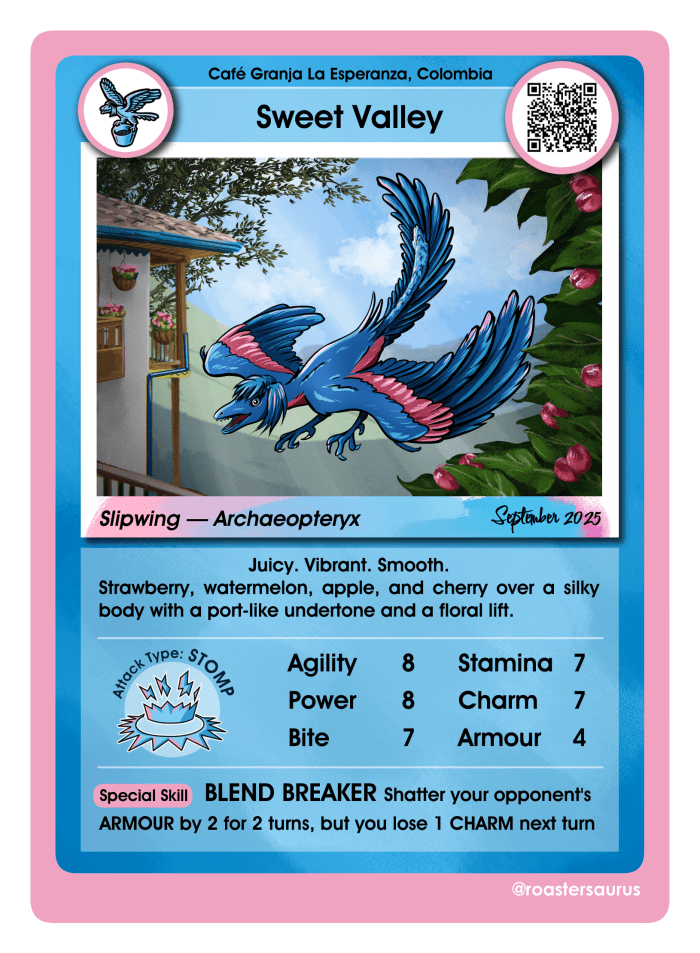
That is one of my favourite parts of Roastersaurus. The dinosaurs are not assigned afterwards as decoration. They have to come from the coffee. The class, the stats, the skill, the artwork, all of it needs to make sense from what is happening in the cup and from the story around it.

At that stage, all I really knew was that I had found two coffees I could not leave behind.

The rest came later, at Avelino’s farm.
🦕 Decode the Cup: How Roastersaurus Stats Are Born

Every flavour tells a story.

From acidity and sweetness to agility and charm, this is how Roastersaurus brings the cup to life.

I created Roastersaurus to build a bridge between the way coffee feels and the way we talk about it.
After years of roasting, cupping, and competing, I wanted a new language, one that made tasting more intuitive and playful without losing depth.


Each coffee has a character, each character translated into a card, each sensory attribute a stat. What begins as acidity, sweetness, or structure turns into movement, tension, and endurance. It’s a way to explore a multi-sensory understanding through design and imagination, connecting the ritual of drinking coffee to the energy it holds.

Every Roastersaurus card begins with a cup of coffee.
Before there’s design, story, or gameplay, there’s taste.

When I built the stat system for Roastersaurus, I wanted every number to come from something real… something you can feel when you drink the coffee. These stats aren’t abstract; they’re sensory translations. They turn flavour and texture into motion, structure, and behaviour.

Each one comes from the same process I use when I roast or cup: looking at how the coffee moves, holds itself, and lingers. What starts as acidity, sweetness, or mouthfeel becomes agility, bite, or stamina once it enters the Roastersaurus world. And in fact the cup is what decides which class or dino the coffee will become in the first place (more on that in another post in the future).

For me, these cards are about more than collecting (although thats definitely on the cards 😂). They are about tapping into that inner child we all carry, the part of us that still lights up at something simple and playful. If my coffees and cards can give someone a moment of joy, a smile that lifts them out of the grind of daily life, then they are doing exactly what I hoped. If they can then share that moment with someone else through the soon to be revealed gameplay, even better.

⚡️Agility: Acidity & Movement

Agility describes how fast and vividly flavour moves.
A high-agility coffee feels bright, zesty, and quick to react. It sparks across the palate, lively and directed.
Lower agility brings calm and weight. The coffee feels steady, slower to rise, more composed.

💥 Power: Body & Weight

Power is presence.
A high-power coffee is dense, syrupy, and grounded. You feel its gravity.
Low-power cups are lighter, almost tea-like, moving through space instead of filling it.

🦷 Bite: Tactile Edge & Energy

Bite is the tactile tension between acidity and body.
It’s the snap, the grip, the sparkling edge that makes a coffee feel alive.
High bite gives that electric, effervescent quality.
Low bite glides instead of sparks, smooth and seamless.

🏋️ Stamina: Finish & Endurance

Stamina is time.
It’s how long flavour lingers and evolves after the sip.
High stamina coffees unfold slowly, changing as they fade.
Low stamina cups finish clean, quick, and clear.

Charm: Sweetness & Appeal

Bite is the tactile tension between acidity and body.
It’s the snap, the grip, the sparkling edge that makes a coffee feel alive.
High bite gives that electric, effervescent quality.
Low bite glides instead of sparks, smooth and seamless.

🛡 Armour: Structure & Stability

Armour holds everything together.
It’s the structure that keeps flavour balanced and coherent.
High armour coffees are velvety and layered, with texture that stays cohesive.
Low armour is delicate and fleeting, flavour that collapses once the sip is gone.

Flavour Becomes Function

Every stat comes directly from the sensory world.
What you taste defines how each Roastersaurus card behaves later in play.

It is not just data. It is the bridge between cup and character, the point where sensory experience becomes story.

Looking Ahead

Roastersaurus has always been about connection, between taste and touch, between player and planet. The upcoming gameplay element builds on that same foundation.

Each card, each coffee, and each choice will shape how you engage with the world of Roastersaurus. It is designed to be interactive and sustainable, rewarding curiosity instead of consumption.

What starts as packaging becomes something that lives on. The coffee info card you receive with the bag is not waste; it is part of a growing game and a collector’s world. It carries memory, first of the coffee you tasted, then of the people you shared it with, or battled against.

It is a small act of transformation, turning what is usually discarded into something lasting. Even the Roastersaurus stickers can be easily peeled from the bags and placed wherever you like, on your water bottle, notebook, or laptop, small fragments of story that travel with you.

It is a system that celebrates flavour, creativity, and play while keeping materials in use and stories alive.

Roastersaurus is about tasting, collecting, remembering, and sometimes, winning.
And this is only the start. Every mark on each card holds intention, more layers of the world still waiting to be decoded.

MEET MICRORAPTOR: RELEASED!

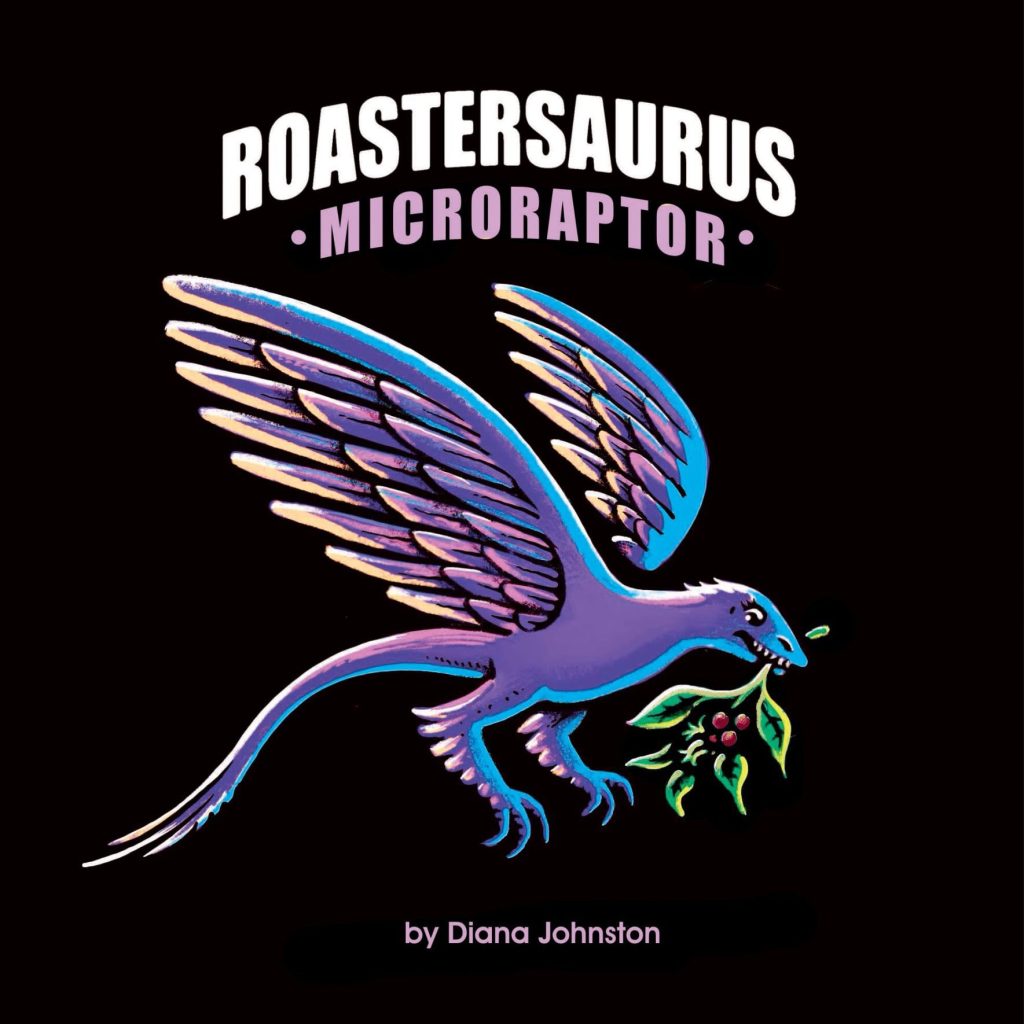
I’m excited to introduce Microraptor—the newest addition to the Roastersaurus line-up. Just like its namesake, a rare and elusive predator, coffees in the Microraptor collection are produced in tiny quantities, each one an exceptional find. Once again, my logo artist Santiago (@killbeef) has captured the essence of this category with elegance—wings outstretched, coffee cherry in beak—a perfect symbol for these rare and extraordinary coffees.


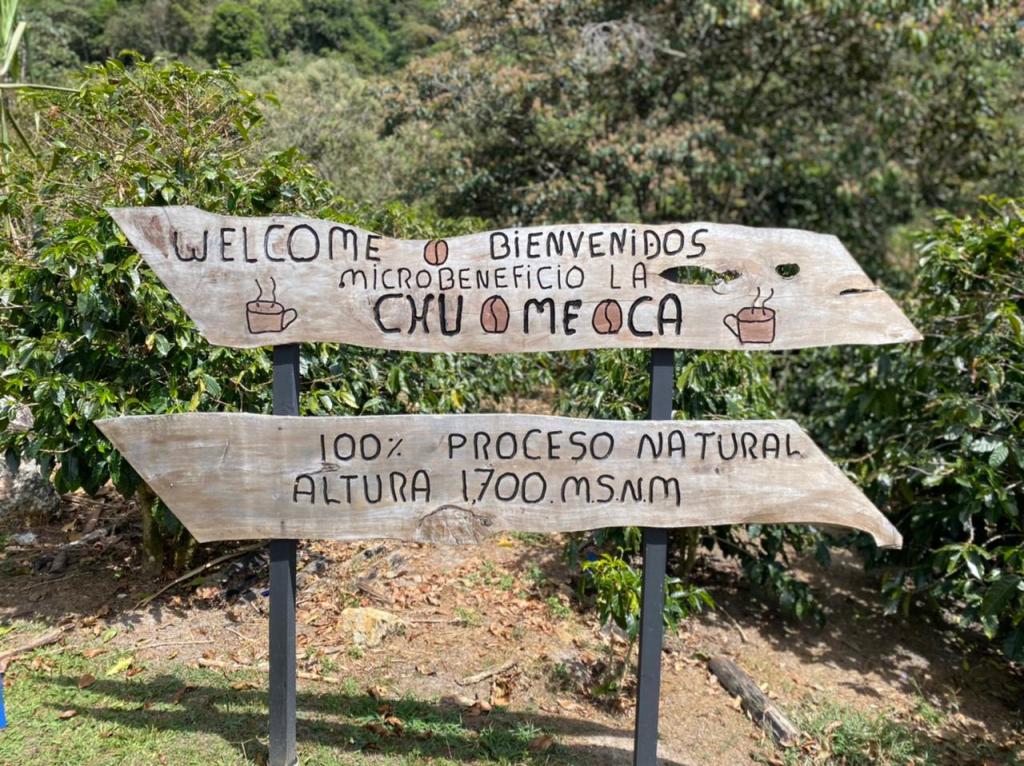
The first coffee to bear this name comes from Beneficio La Chumeca in Costa Rica, located at 1,700 meters above sea level, where they are masters of the natural coffee process. This release, Capulinero, takes its name from both the coffee’s process and the unexpected arrival of Capulinero birds, which coincided perfectly with the completion of its fermentation.


La Chumeca focuses exclusively on natural coffee, controlling every stage from soil nutrition to cherry selection. Their farms are shaded by banana and guineo trees, which slow the maturation of the coffee cherries, leading to greater sweetness and complexity while also supporting healthy soil and biodiversity. In addition the high-altitude environment further enhances the coffee’s complexity, allowing for slower cherry development and deeper flavour expression. Cherries are picked at 22 Brix, ensuring peak ripeness and maximum flavour potential.


The Capulinero process was an unexpected discovery, sparked by sudden rains. The coffee began with anaerobic fermentation in stainless steel before moving to an oxidation phase in outdoor bags. When heavy rains hit, the team had to return it to anaerobic fermentation—creating a three-phase process that was never planned. Strangely, during this time, flocks of Capulinero birds arrived on the farm, leaving only when fermentation was complete. The resulting cup was exceptional, and with such a serendipitous sequence of events, the process and coffee were named Capulinero.


What’s really cool is that they also decided to process the cascara from this coffee and did so in their ethos—by working with a neighbour who specializes in drying fruit. The cherry removed from the coffee was carefully processed to ensure the highest quality. For those who aren’t familiar, cascara is the dried skin of the coffee cherry, and it can be brewed into an infusion, similar to tea. When I first tasted the cascara, it immediately stood out as something exceptional, and I knew it was important to share both the coffee and cascara together.

Winey, Complex, Rare!


Expect a cup that evolves with every sip. It begins with lively, wine-like depth, followed by tropical notes like persimmon and mango, and a vibrant burst of berry flavours like fresh strawberry and mulberry. A rich, chocolate truffle base ties it all together. With both the coffee and cascara in this release, you’ll experience the full journey, from cherry to cup. Follow my Instagram and blog for updates on the coffee, cascara, and ways to enjoy them!

Grab your bag via my dropdown menu on this website, or simply click here.

NEW T-REX! Back to the roots with ‘Blueberry Candy’

Did you know each dinosaur is connected to a flavour profile? As we come back around to the first dinosaur I released in 2023, the Tyrannosaurus Rex, I felt it would be fun to return to my first World Coffee Roasting Championship preparation experience. In 2019, when I won my first UK Coffee Roasting Champion title, I was working as the Head of Quality at DRWakefield, a London based family run importer.


Blueberry, Chewy, Nostalgic


At the time, most of my roasting was restricted to small probat sample roasting barrels, which while pivotal to my roasting and green knowledge, made it difficult to train for the world stage as I would need to turn batches on a six kilo Giesen for the actual championship. Luckily, I was supported by the coffee community and was invited by Red Bank Coffee Roasters to come use their space to train. While there, I had been experimenting with a few different coffees and Blueberry Candy was one of them.


I vividly remember tasting the roasts with the owner of Red Bank, and both of us being really blown away with how much it reminded us of a great tasting natural wine. We enjoyed the whole process so much so that we decided to go for a collab and release the coffee for Red Bank customers to buy. I can never express enough, the gratitude I will always have to Tom and Mick for being incredibly supportive on my journey.


I am pleased to be able to offer ‘Blueberry Candy’ as this Tyrannosaurus Rex release, seeing how well it fits with the Tyrannosaurus Rex vibe. Like the last T-Rex released, it is complex, chewy, and big. While there is less of that natural wine characteristic that existed back in 2019, I do feel there is a bit more complexity and sweetness. 


The coffee is an H3, planted in 2015 and produced as part of the first wave of F1 varieties. It is a cross between Caturra and Ethiopian landrace varieties, supporting its cup quality, and it has been naturally processed. These cherries have been hand-picked, and then set to dry in two stages at low temperatures in order to enhance the fruitiness of the coffee.

I wanted to preserve the liveliness in the cup, while capturing a sweetness that I felt would support the already bright notes. For this I decided to try a different approach than the one I had in 2019, and the result has been quite delicious.


I found the cup to be full of berries, with notes of blueberry and redcurrant, candy like notes akin to a nostalgic lime Starburst, big and chewy like a Bakewell tart, and cooling into notes of honey, Madagascan chocolate, amaretto and dried papaya. But let me know what you’re tasting, as the batch I’m describing was just roasted and I’m sure it will open up even more after about a month of resting!

And just a kind reminder- if you are UK based you will have free shipping if you order two bags and they can be two different coffees 🙂

Grab your bag via my dropdown menu on this website, or simply click here.

MEET LONGNECK: RELEASED!

We continue our adventures together with a new character to add to the Roastersaurus brand; The Longneck!

And with that a couple exciting things! Firstly, while this coffee is going to be shipping from the 8th of October (pre-order now!) a limited amount of bags will be available for pickup during the week of Cafe Culture (October 2nd onward) at the Saint Espresso in Angel Central shopping center. Simple select the product titled ‘pickup’ (here), and select pick-up as the shipping option. For those still wanting delivery your link is here, and then select your delivery shipping choice, or here if you wanna see the whole shop to grab multiple bags an benefit form free shipping. The other exciting thing is that I have a very small amount of this coffee available for wholesale, so get in touch (diana@senseitlondon.com or @roastersaurus) if this interests you or if you know a cafe that might love this coffee! I’d feel honoured to be served or sold in your space! Now about the coffee:


Purple-Blue, Chewy, actually Sweet!


Having worked for many years as the Head of Quality for a green coffee importer, often quality grading somewhere on average of 30 different coffees a day, you would think I would have experienced everything. But one of the most exciting things about specialty coffee is that it’s ever developing, and every so often an emerging origin rises up to surprise us. Rest assured, it isn’t a coincidence that this happens though, as a change in the perception of quality of a whole origin is the fruit of the hard work of individuals with a vision.  And so is the story of this coffee; a micro-lot from the ‘Pearl of Africa’; from the Sironko Station in East Uganda


The story begins with Kenneth Barigye, a man who had a vision to change the world’s perception of Ugandan coffee. Barigye understood the potential of the region, and so he decided to establish the Mountain Harvest project in 2017. He formed a team of individuals, both by training local coffee professionals as well as recruiting from abroad, and began to standardise systems to improve quality and consistency. Recognising the potential due to Mt Elgon’s abundant sunlight and fertile volcanic soil, Sironko station was established at the base of the mountain, becoming the major research hub for the Mountain Harvest project. The result of all of this hard work: this stunning coffee.


You will notice the coffee is called ‘pure natural’, and this is to indicate that the coffee has indeed undergone a truly traditional natural process rather than one of the hybrid types that have recently become popular in some of the more well established specialty coffee origins. Ripe cherries, having been picked at a minimum of 18 brix, are funnelled from some of the most isolated communities of the mountain, namely Yilwanako Mayiyi, Buginyanya, Bushiyi, Makali, Bukalasi, and Sipi and sent directly to raised beds for drying to around 10% moisture. 


This coffee is incredibly sweet, so we felt it would be well represented by the Long-necks of the dinosaur world. And my absolute favourite part; the artist (@killbeef) further amplified that sweetness by giving the dinosaur the adorable eyelashes you see depicted in the image. The dinosaur is also taking care to water some baby coffee plants, helping grow a future generation of delicious coffee, and reminding me of myself and all my little coffee plants I am currently growing in the roastery (Roastersaurus 2029 release?). 

To retain and amplify the sweetness while supporting it with a fruit forward character I went for a minimal soak and hit it with less gas than usual as this coffee carries energy well (peak rate of rise around 29.5 at ROR60sec). I then retained that setting for quite a while in order to allow pressure to build up in the bean, before making gradual graceful cuts to gently coast this natural coffee’s rate of rise down to around 6 (ROR60sec). Like the last coffee, this coffee is roasted on a relatively lower drum speed as well, contributing to the complexity in the cup.


I did the profiling roast for this coffee on a Friday, and didn’t want to wait until the Monday to taste it as I wanted to see how the journey would be from freshly roasted to properly rested. Initially the coffee was full of jammy red fruits like strawberry and apple, but also chewy and reminding me of an eton mess. As we returned to brew and taste the coffee the week after roasting, and as it had rested, the flavours shifted toward more blue and purple colours. As I write this now, I am enjoying some of it in my cup, brewed on the origami, and its aroma reminds me of bubblegum! It has this jammy blackberry quality, with a hint of blueberry juiciness and a black sable grape sweetness. It is chewy. It is round. And did I mention it is sweet?!. 

Grab your bag via my dropdown menu on this website, or simply click here.

Watch this space as I’ll be looking to write more about Mountain Harvest project, as well as some of the pending posts on some of the other coffees I have available to purchase!