
When I last wrote about our Colombia trip, we were up at Pedacito de Cielo with Miguel, Andrea and Guadalupe, getting to know the Pink Bourbon trees planted when she was born. We were staying down at El Fénix during those days in Calarcá, Quindío, and between the visits there was also a cupping to prepare for. Before we could sit down to taste, though, there was quite a collection of samples to roast, and that is where this story begins.
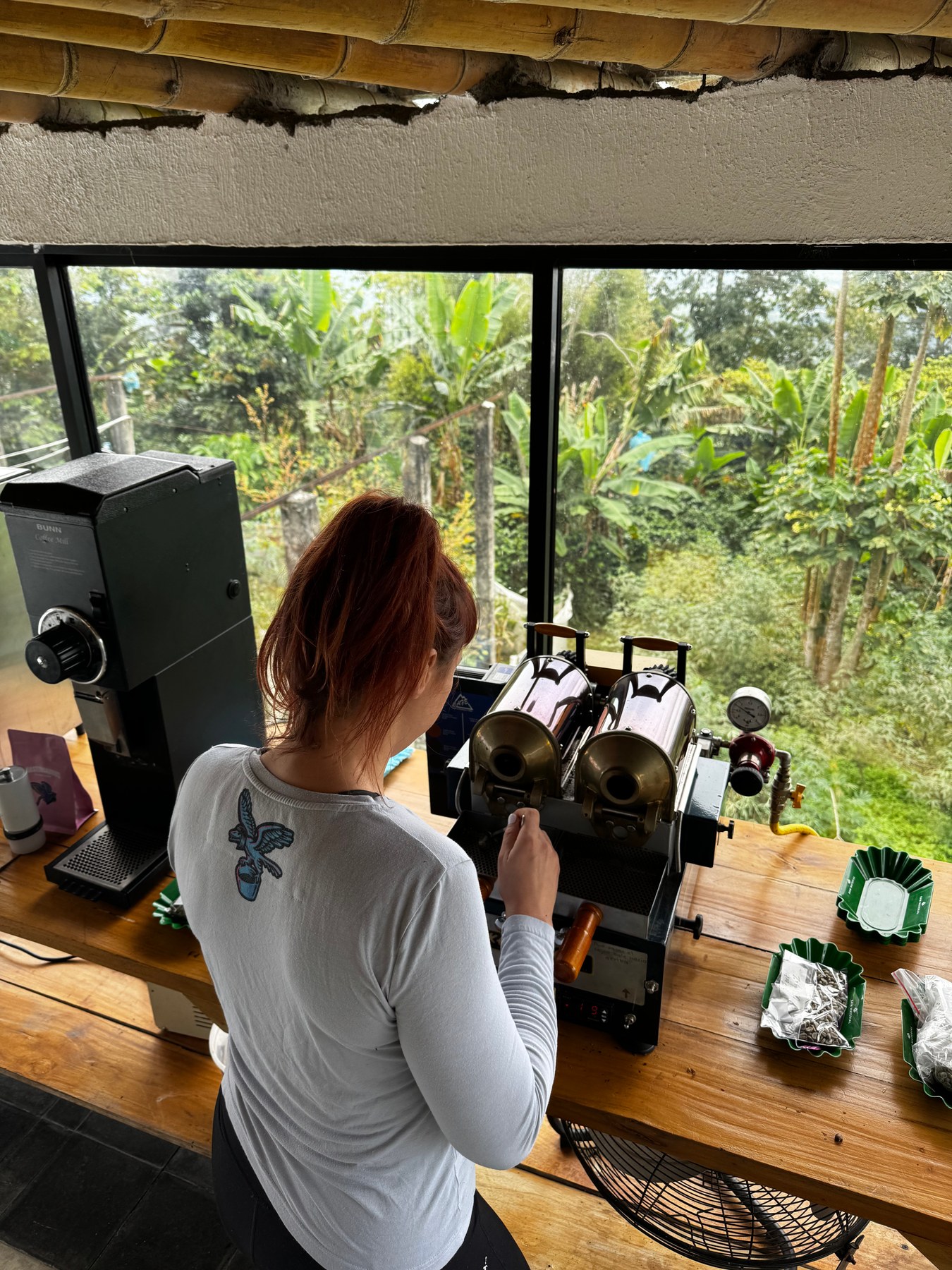
Mat North asked whether I wanted to do some sample roasting, which I was very happy to do. The little roasters each behaved slightly differently, so getting a consistent set of samples ready in time for the cupping took a bit of care. In the end, I roasted all the samples for the table, while the Sidra I had my eye on was still out on the drying beds.
A Little Too Polite
There was a lovely Geisha on that table, among other coffees I would happily have brought into Roastersaurus. There was also a friend on the trip who was considerably quicker than I was at putting his name down for the ones he wanted. I was doing that very polite thing of letting someone else choose, then realising that being very polite is not necessarily the most effective way to buy coffee. He knew what he wanted and said so. I could hardly fault him for that.
I had been firmer about Guadalupe’s Pink Bourbon. That coffee grows at Pedacito de Cielo, Miguel and Andrea’s own farm above El Fénix, and I had tasted a sample before coming to Colombia. I was excited about its potential and had already put my name down for it. Nobody was fighting me for it at that point, although there was rather more appreciation for that choice later. Guada was coming home with me, and I was very happy about that.
But there was another coffee I had been keeping in mind. We had seen some of the Sidra processing during our visit and talked about the water pillow technique, so I knew there was Sidra at El Fénix even though it hadn’t reached our cupping table. Later, when I asked Miguel about it, he told me it was still drying. I may have joked that he didn’t need to tell everyone. Cheeky, yes, although it was already too late for it to join the group cupping anyway. I was still very interested in finding out what it could be.
After the Group Cupping
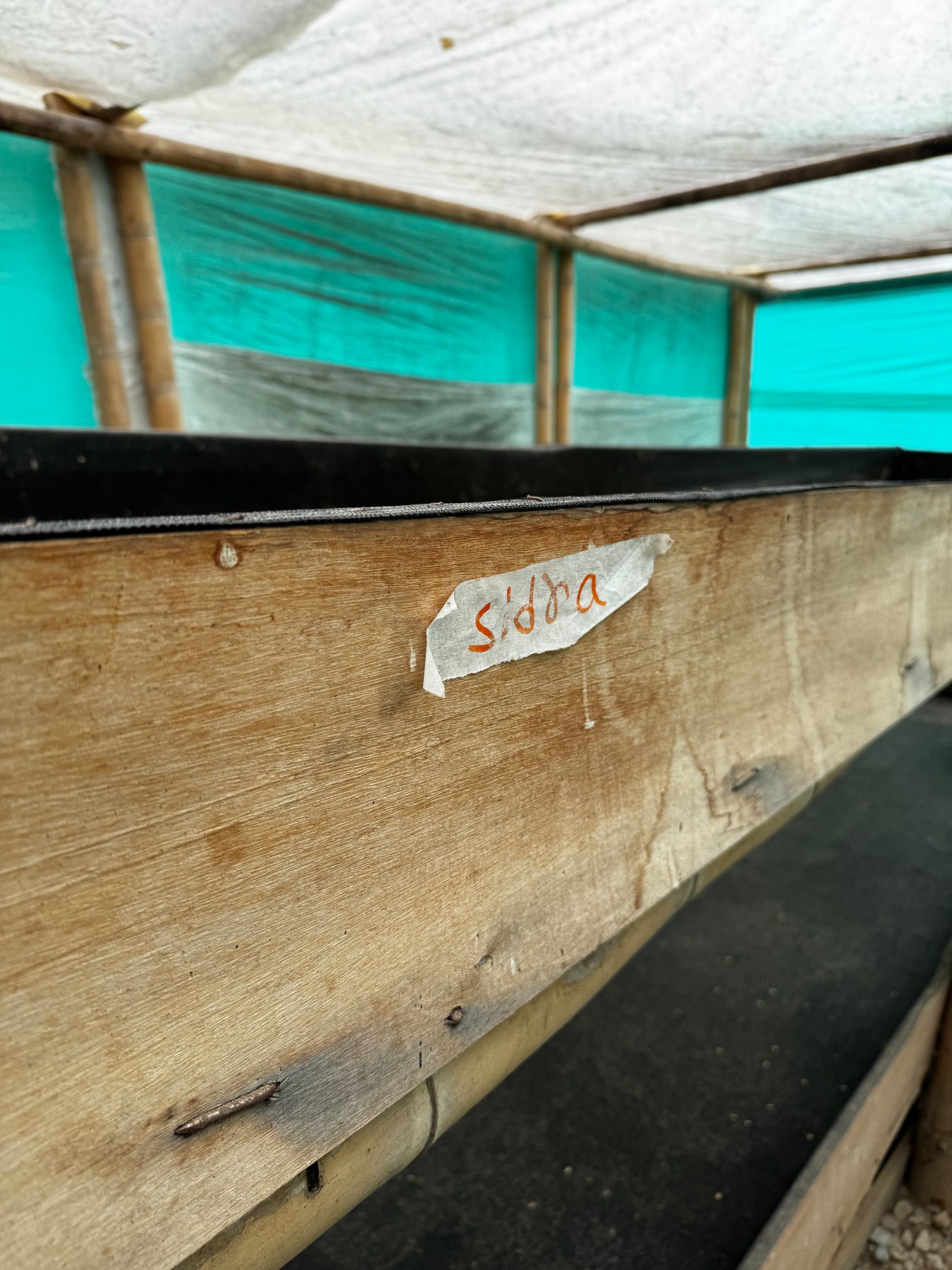
Most of the others had flights the following morning, while mine wasn’t until the evening. That gave me more time at El Fénix, and I had wanted some time with Miguel to ask more questions and get a little further into what he was doing. After all the roasting, cupping and choosing, it felt like the quiet after the storm. There was still a Sidra on the drying beds, and now there was an opportunity to spend some proper time with it.
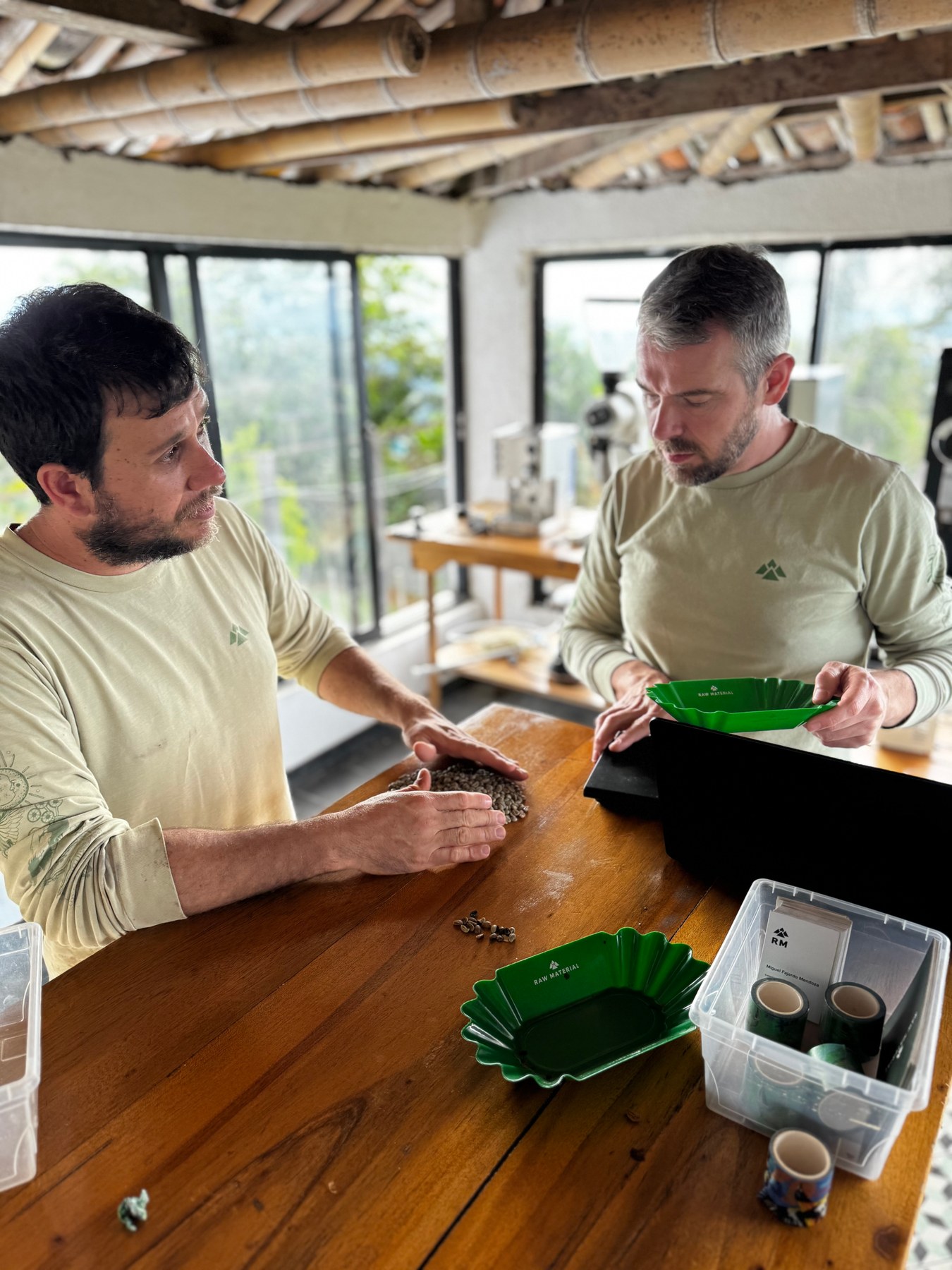
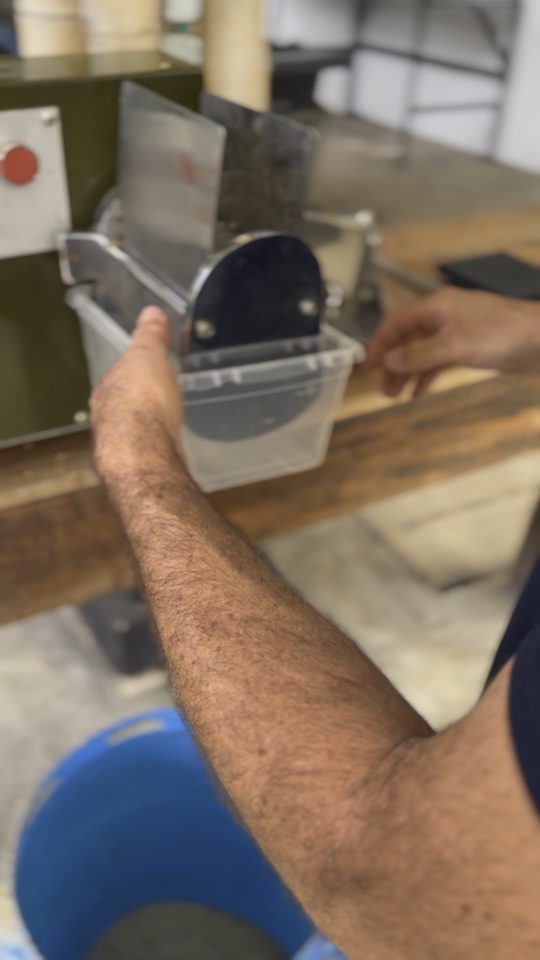
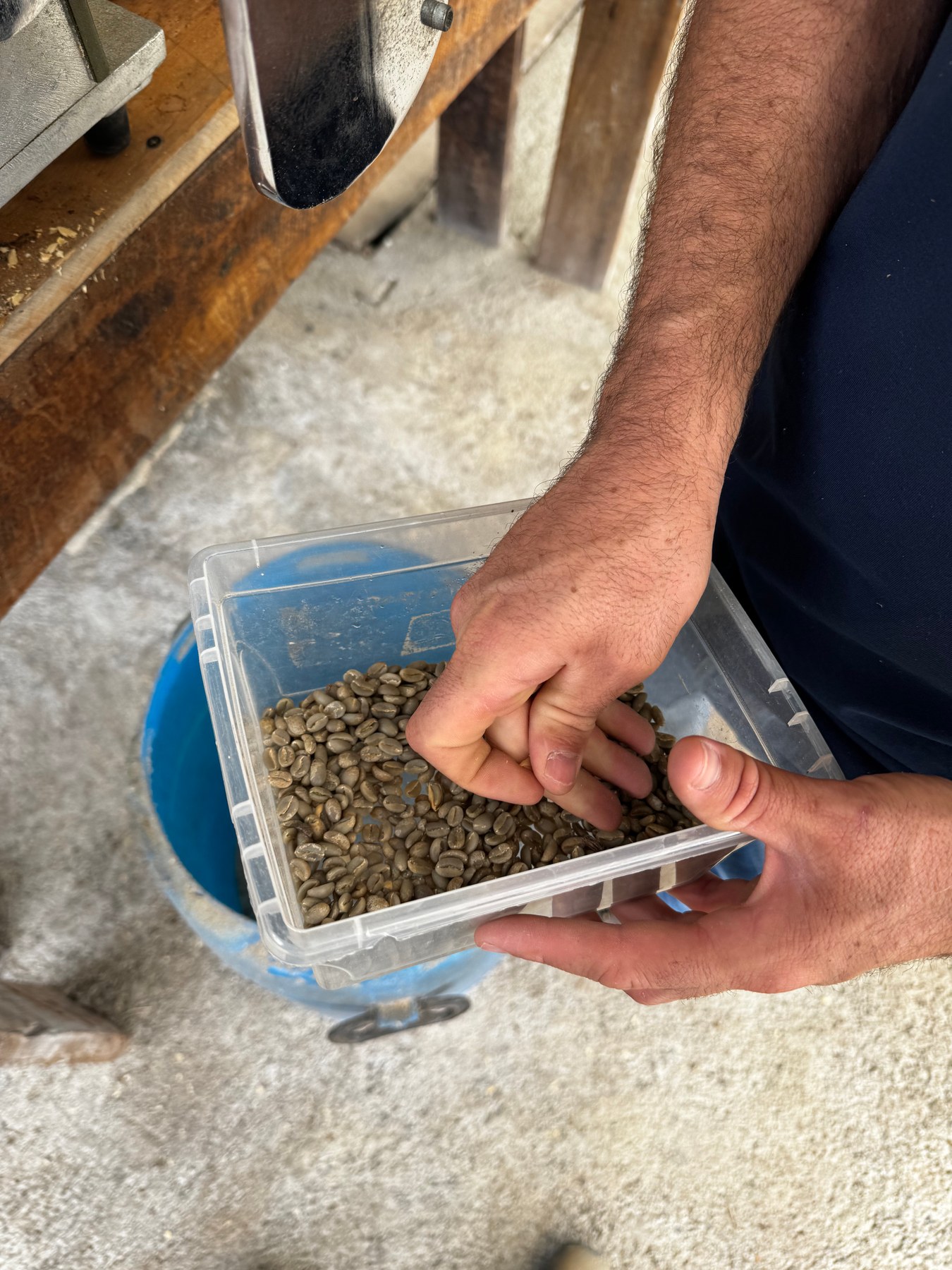
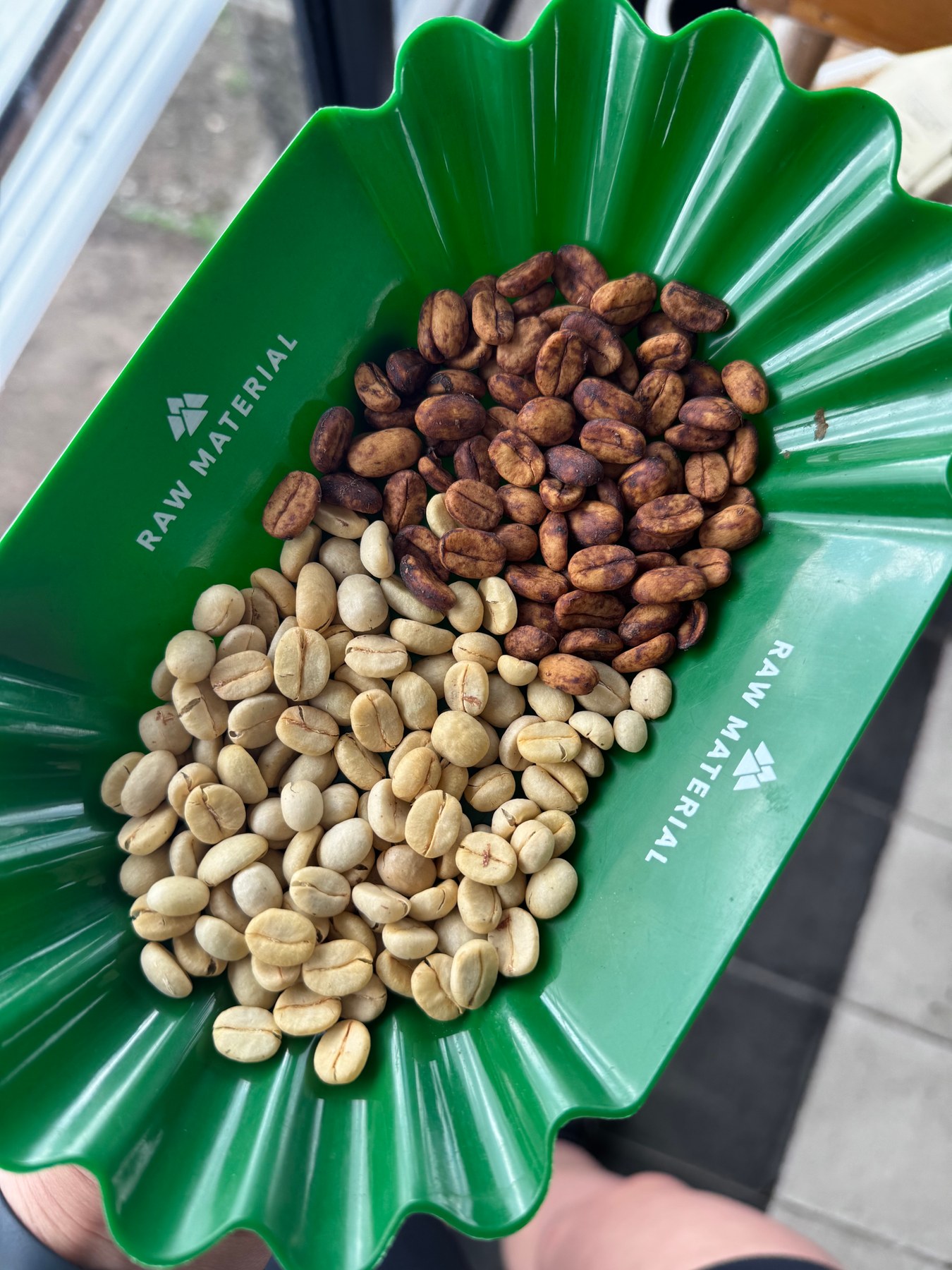
The next morning, I asked whether we could taste it. Miguel and I went down to the drying beds and took a sample of the coffee in parchment, while the rest of the lot continued drying. We brought it to the small mill, but getting a sample ready to roast became a much fuller lesson. Miguel took me through the assessment of the coffee, including screening and weighing, and explained how those results connect to the way coffee is bought and sold in Colombia. I had asked to cup a coffee and was getting a very good reason not to rush towards the cup.
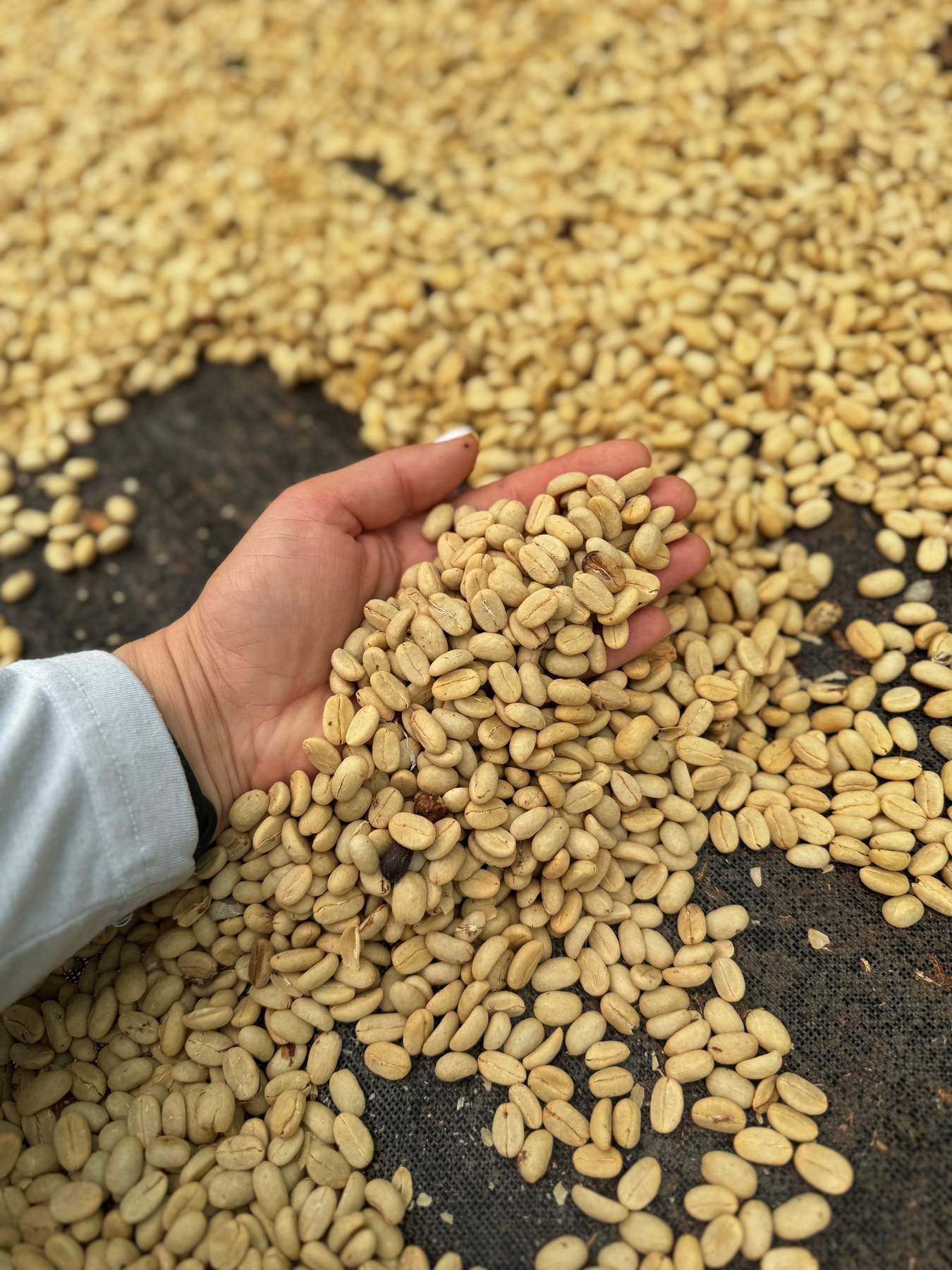
As he explained the milling loss, or merma, and the different screen selections, we could follow what remained from the parchment sample and how much green coffee was available under a particular preparation. That led us into the factor calculation: how much parchment would be needed to produce the required amount of usable green coffee. Miguel showed me how that yield fed into buying and pricing decisions, and how changing the preparation changed the calculation. Having the sample there, working through it with him, made the relationship between those numbers much easier to see. What we kept or separated changed the quantity in that preparation, and therefore what was being priced.
From the Drying Bed to the Cup
Eventually, we roasted and cupped the sample, and I loved it. I had been interested enough to ask about the Sidra before tasting it, but this was the point at which I chose it for Roastersaurus. We had taken a sample from a coffee that was still drying, milled and assessed it, roasted it and finally tasted it together. By then, Miguel had shown me a great deal more than the coffee’s potential in the cup; I had spent time with the decisions and work that brought it there.
The flavour notes I developed later, roasting and tasting it back in London, belong to that later part of the story. Across those tastings there was red and pink fruit, lychee, lemon balm and rose-like florals, with lovely weight and texture and passionfruit carrying on through the aftertaste. That long finish became an important part of its identity: Tropical. Rose. Afterglow. Those are the words that found their way onto the card, after the coffee had made its way from El Fénix to my roaster.
For El Fénix Sidra, Caitlin, @kitsukaizen, turned our Archaeopteryx into a phoenix, and it became Roastersaurus’s first-ever shiny Archaeopteryx card. When I look at it, I still think about the coffee that hadn’t made it onto the shared table and the morning I had left with Miguel. I’m very glad I asked about the Sidra, and very glad my flight wasn’t until the evening.
Choosing the coffee was only part of the conversation with Miguel, and in the next blog I’ll get into why he planted Sidra at El Fénix and how he uses the water pillow to shape its fermentation. Watch this space for Under the Water Pillow at El Fénix, coming soon.

