Elegance in Motion

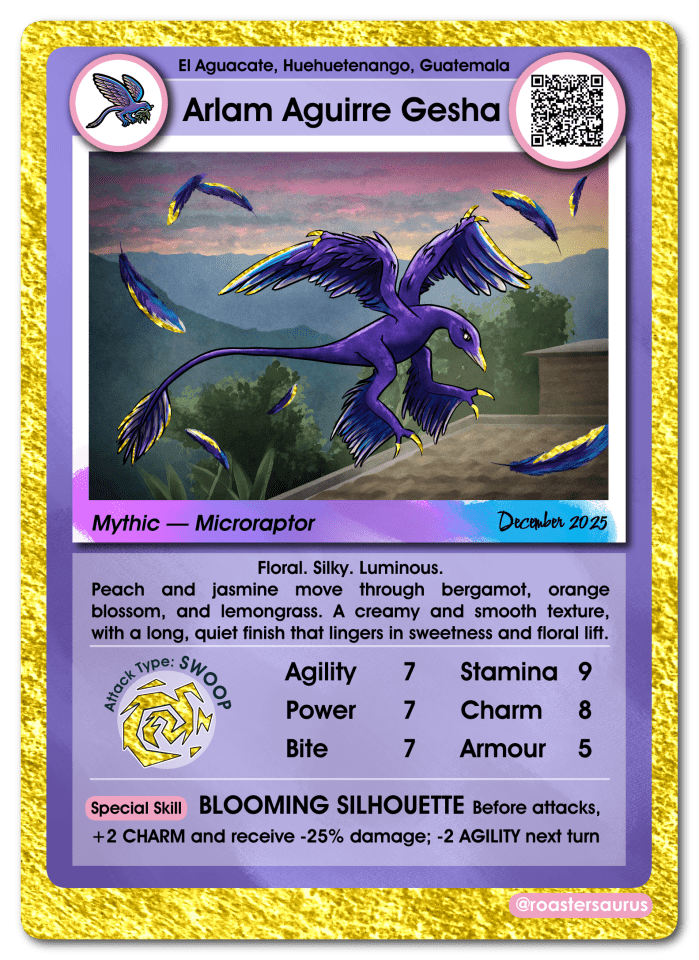
Some Geshas shout. This one unfolds.
Not with volume or force, but with quiet radiance and a movement that feels as if the cup is taking a breath before it begins to open. This is the newest Mythic Microraptor of Roastersaurus, a coffee shaped not by intensity, but by grace. It is washed yet moves like a honey, silky and composed. It is floral yet steady, bright yet serene. It is a Mythic defined by stillness in motion, a rare moment of elegance that glows rather than erupts.

Arlam’s Gesha is also the first release to reveal Swoop, one of the movement types in the Roastersaurus world. Some coffees carry force, others carry precision. This one carries choice.

The Cup in Motion

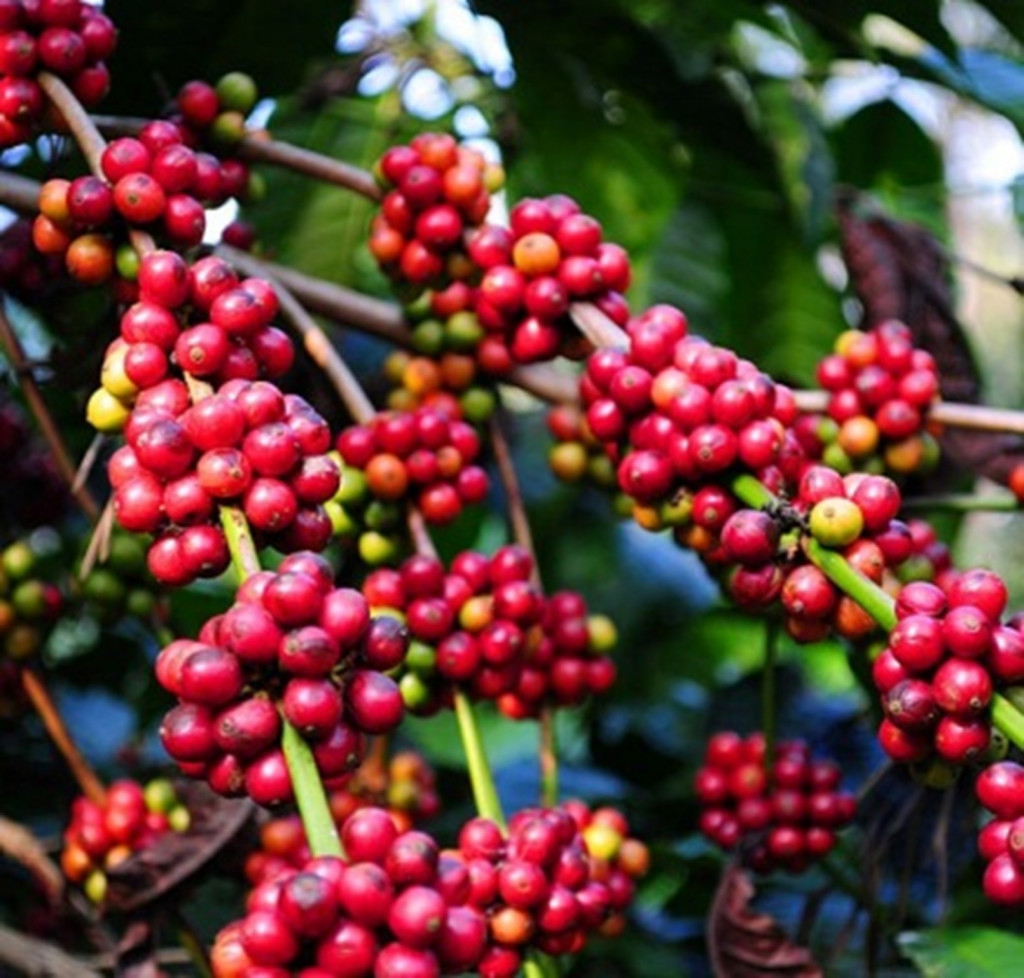
From the highlands of Huehuetenango, this Gesha expresses the new moment emerging from Guatemala. Over the past two years, the region has begun producing Gesha lots that show refinement and clarity without relying on fermentation for drama. Instead of intensity, they offer sweetness through terroir, elegance through process, and depth through restraint.

Arlam’s Gesha moves in exactly this way. It does not force its character. It unfolds. Stonefruit and lychee rise first, carrying jasmine-pearl texture. Then the cup deepens into bergamot, peach, orange blossom and lemongrass over a soft milk oolong texture. The finish lingers with floral lift and honey-like glow. Everything is balanced. Everything is deliberate.

The Art

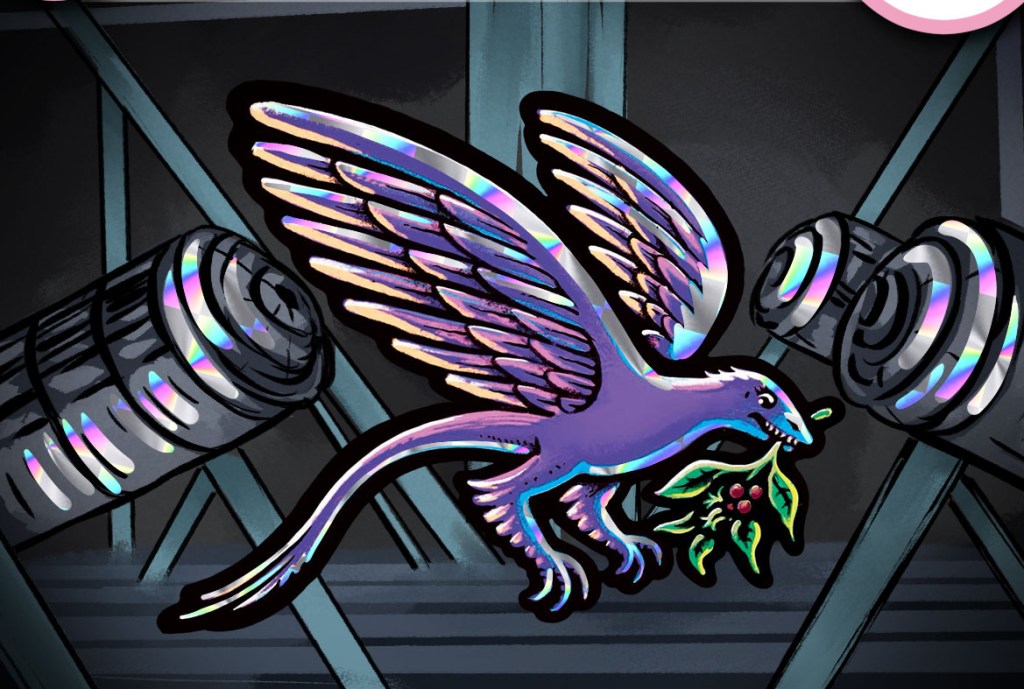
Illustrated by @kitsukaizen with original creature design by @killbeef, the Microraptor glides across the terraces of Huehuetenango. Feathers drift softly around her, light gathering along the wings as she circles in a quiet arc. This is the motion of Swoop, held in illustration before it lands in gameplay.

The drifting feathers mirror something that happens with Arlam’s roast itself. When ground, a fine gold-tinted chaff rises briefly and hangs in the air before settling. A gentle bloom, weightless and luminous. The artwork holds both moments at once: the glide of Swoop and the shimmer that lifts from the cup before flavour begins to unfold.

This release also marks the first gold foil Roastersaurus card, a Mythic in both character and form.
The Producer and the Farm

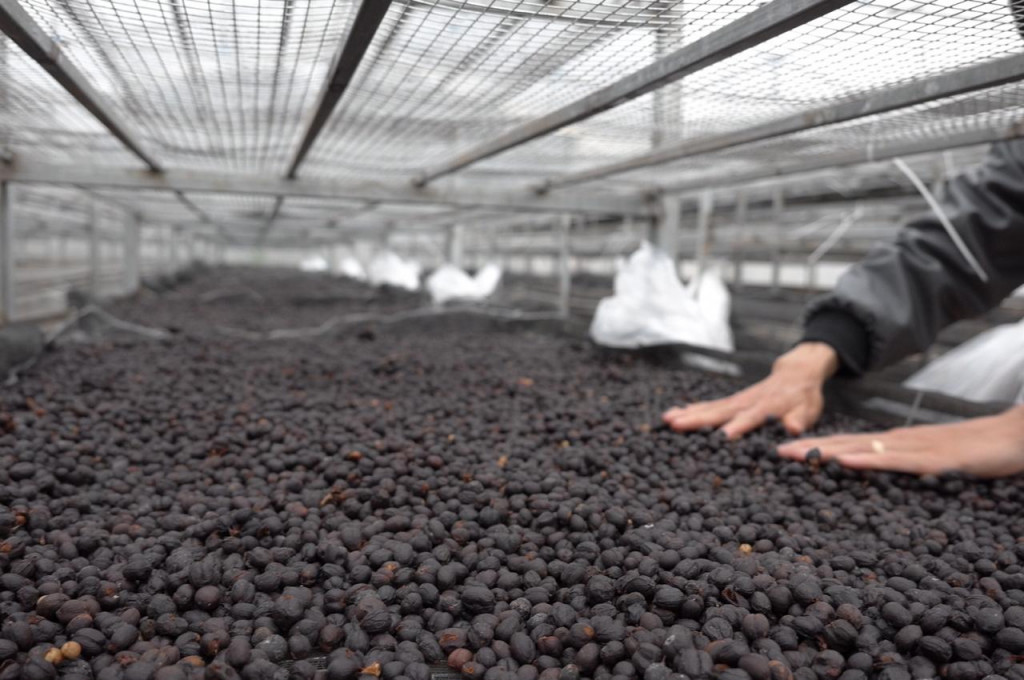
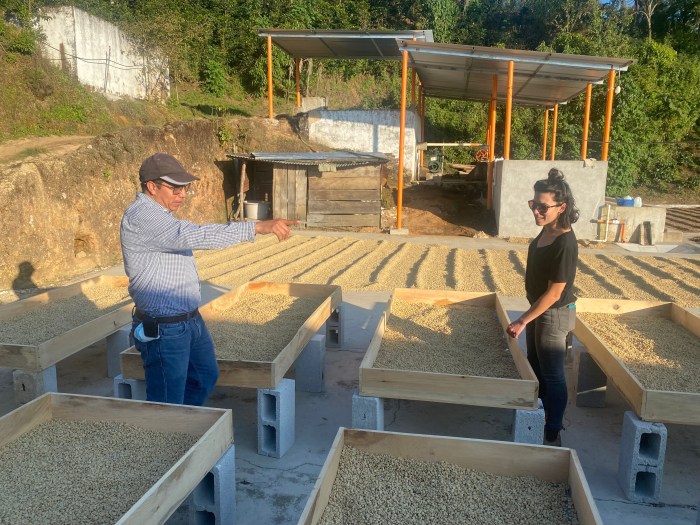
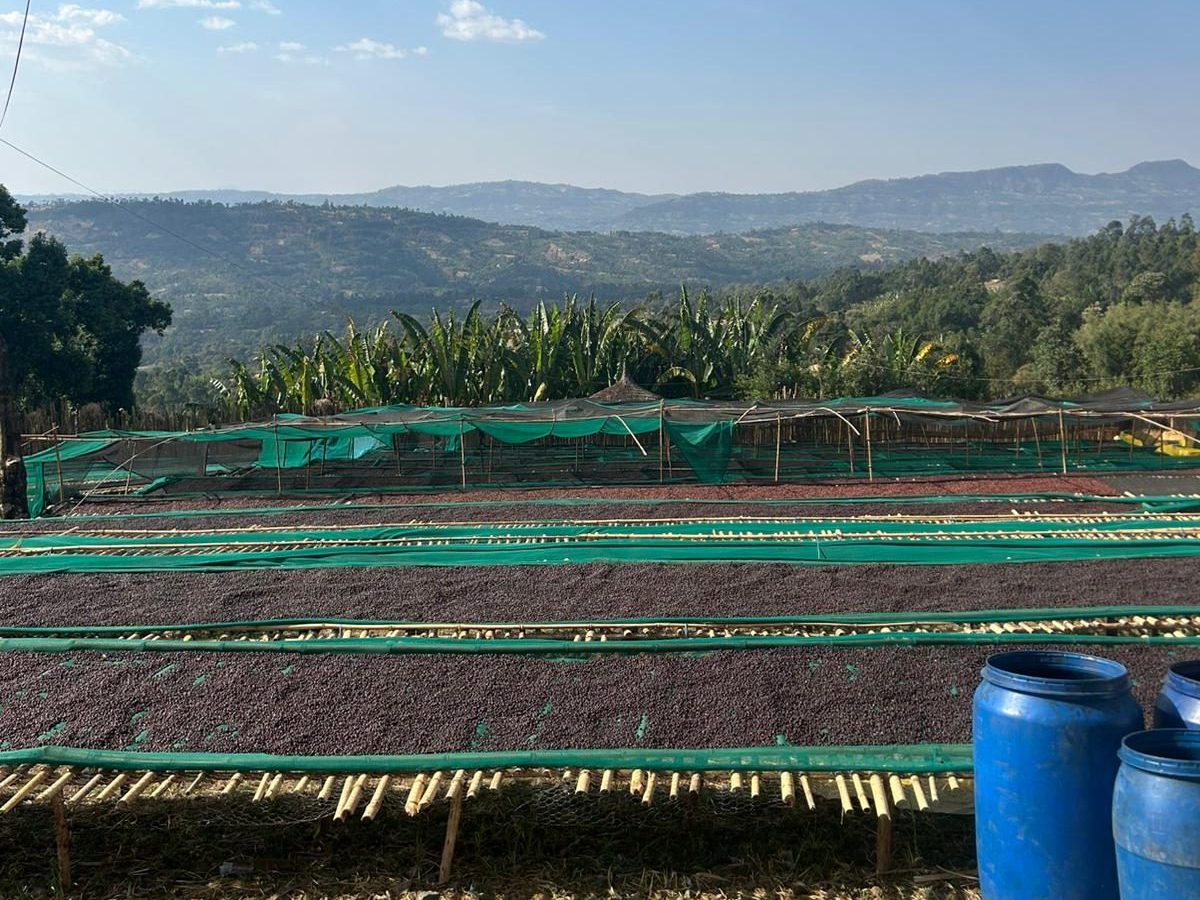
Arlam Aguirre and his partner Yoesmi are members of ASIAST, a smallholder cooperative in San Antonio Huista dedicated to ecological farming and long-term soil health. Arlam is an agronomical engineer and former Anacafé technician, bringing deep technical knowledge to cultivation and processing. His brother Klisman manages drying with equal care.

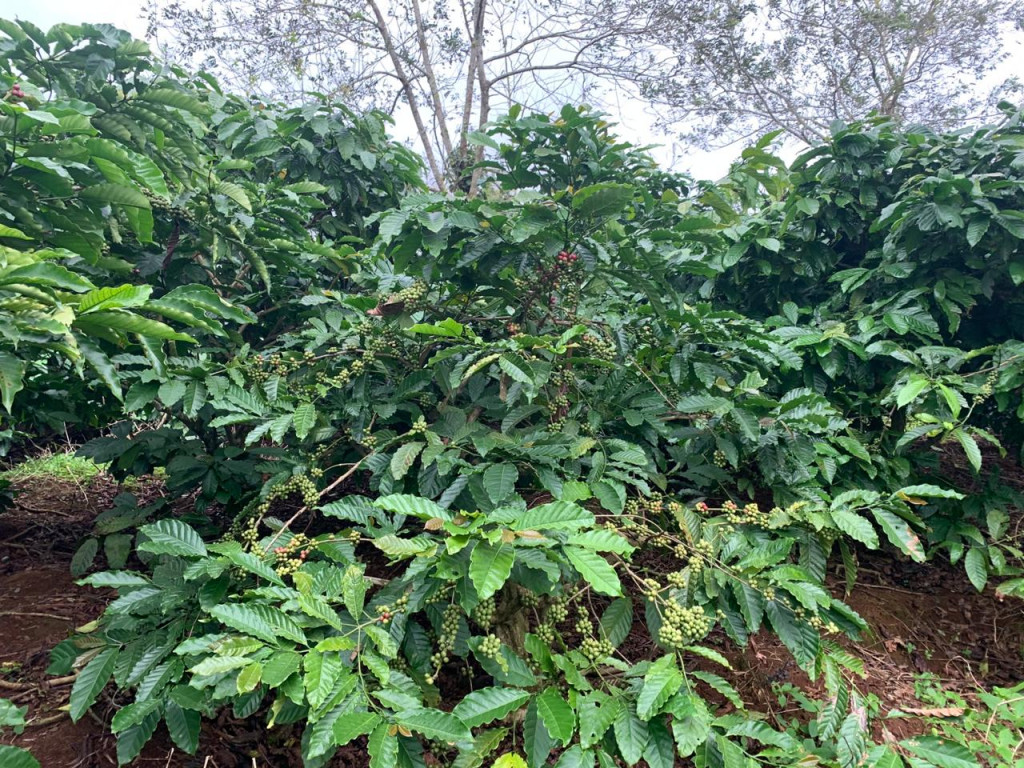
Their farm, El Aguacate, sits at 1,750 masl in Agua Dulce. Shade trees slow ripening. Terracing protects soil. Shrubs planted between rows help retain moisture in a climate that shifts quickly between dry and cool. Each detail is intentional, each decision shaped by observation.

The result is a cup that feels calm, balanced and luminous. A washed Gesha that behaves like a honey, carrying sweetness and clarity in equal measure.

Movement in the Roastersaurus World

Every Roastersaurus coffee carries a movement — the way its flavour, structure and energy behave in the cup. These movements come from the coffee itself, shaped by processing, terroir and roasting choices. While some dinosaur classes often lean toward certain instincts, the movement always belongs to the cup.

There are three movements in the Roastersaurus world:

Stomp
A grounded movement of weight and force. Cups with depth, mass and heavy sweetness often carry the Stomp instinct.

Stealth
A precise movement, clean and controlled. Washed coffees and structured naturals that strike with clarity often express Stealth.

Swoop
A movement defined by glide and intention. Fruit-forward or creamy cups with balance and softness, coffees that move between lift and depth, often reveal Swoop.

Each movement will be explored in more detail later this month as the game begins to unravel.

Swoop Revealed

Swoop is the only movement shaped by choice.
Where Stomp commits to force and Stealth commits to precision, Swoop pauses for a breath, letting the player decide how the moment will land. A cleaner strike or a deeper one, never both at once. It is a movement of intention rather than instinct.

Arlam’s Gesha carries Swoop perfectly. It can glow lightly or settle sweetly. It can lift or deepen depending on how it is brewed. It chooses its moment, unfolding rather than erupting.

How Arlam Moves When Brewed

This coffee is highly soluble and lightly roasted, which means it responds immediately to small shifts in brewing.

A gentle taper after first crack keeps the roast luminous, preserving jasmine-pearl aromatics while allowing a thin ribbon of nectarine sweetness to settle. The curve stays calm and controlled, giving the coffee the glide that defines Swoop.

Kalita Wave Filters, on Origami (4:00 drawdown)
Slow and steady, it lands with oolong-like texture and deeper peach sweetness.
A heavier, more grounded expression.

Sibarist or Meteor fast filter, on Origami (2:10 brew)
The cup lifts into peach and orange, with jasmine pearl brightness shimmering at the top.
A clean and precise expression.

Immersion
A deeper glide: nectarine, orange blossom, warm honey.
Soft, sweet, flowing.

Espresso (18g in, 45g out, 23 seconds)
Radiant and surprisingly citrus-heavy.
Bright orange, glowing sweetness, incredible for an espresso tonic.

This range of expression is exactly why Arlam moves with Swoop.
The cup can land clean or land deep, depending on intention.
Cup Character

Floral, silky, luminous.
Peach, lychee and orange with jasmine and bergamot lift, settling into a milk oolong finish with quiet radiance. Elegant, balanced and serene.

Collect and Discover

Each pack includes the first gold foil Microraptor card and the first appearance of Swoop, a movement shaped by intention. With this release, the Roastersaurus world continues to open. The layers of the game are starting to reveal themselves slowly and with purpose, much like the coffees that inspire them.

The last release introduced the cup statistics and how they describe flavour and structure. This release brings the next pieces. The card’s QR code takes you to the lore page, and this is where the newest gameplay features are revealed. Arlam’s page introduces the first example of a skill that activates before attacks, offering a quiet glimpse into how timing will shape the flow of a turn.

Over the next blogs, more of the system will continue to unfold. The three attack types will be explored in a way that links cup character to in game movement, and the brand story will deepen to show how each coffee, creature and card fit together. These features are not arriving all at once. They appear piece by piece, keeping the world fun to explore and allowing the structure behind it to settle naturally.

Arlam is not a beginning or an ending. It is the next step in the reveal.
More movements, more gameplay hints and more of the Roastersaurus world will continue to open from here.

For now, grab your bag here.
Stillness Before Flight

There is a moment before a new release when everything becomes very quiet.
A pause before movement.
A feeling that something is gathering, not loudly, but with intention.

Roastersaurus has been living in that stillness for the past few weeks and today that space begins to open. This is the final Mythic release of the year, arriving not with force but with calm sweetness and a gentle kind of radiance. Some coffees announce themselves. This one unfolds. It moves softly, almost weightless, carrying a silk-like texture and a quiet glow that lingers long after the cup settles.

Over the next few days I will share more about this release. The full story behind the coffee, the producer who shaped it, and the place where it grew. I will also be opening up more of the Roastersaurus world. There will be a closer look at the classes, the ideas behind them, and the different versions of special that show up in the coffees I choose. Some are bright and sharp, some are grounding and sweet, some break boundaries, and some, like this one, rest in stillness.

This week also begins to reveal something new. Each Roastersaurus card carries a movement, a way of stepping into play that mirrors how the coffee behaves in the cup. Until now these movements have stayed quietly in the background. With this final release of the year you will see the first movement come to the surface, along with the first small glimpse of how the game will eventually unfold.

More writing is coming soon. A deeper piece on the release itself, a look at how this coffee came to be, and a quiet exploration of how Roastersaurus was shaped. Later in the week, I will also share more about sourcing choices and the approach behind roasting, curation, and craft.

For now, a softer flight begins. Preorders for this Mythic are open, and the full story will follow soon.

Let’s Play

Let’s Play: The Spark of Precision

Roastersaurus keeps growing alongside me, one coffee at a time. With each release, I find another piece of its world taking shape — another creature, another feeling, another story the cup wants to tell. None of it is planned in advance. The coffee leads, and I follow.

After the bright rebellion of Slipwing and the rare stillness of Mythic, this release brings something more deliberate. Quickfang carries a sharper kind of grace, all movement and intention. It’s a reminder that strength doesn’t always shout. Sometimes it’s found in clarity, in rhythm, in how gently something can strike.

Basha Bekele, Quickfang Raptor

The newest addition to Roastersaurus is Basha Bekele, representing the Quickfang class, the raptors of the cup. Quickfangs are sharp, agile and deliberate, defined by movement, control and clarity.

This lot from Basha’s Gonjobe site in Bensa, Sidamo, Ethiopia, shows the precision that defines his work. It is a natural process that behaves with the control of a washed, guided by slow shade-drying and exact sorting. The altitude keeps sweetness and clarity in balance, giving the cup high, sparkling acidity and clean structure.

Mandarin cuts through with focus and elegance, followed by guava, apricot and a lingering papaya finish. Floral, tropical and refined, it carries the sparkling bite we expect from a Quickfang — energy expressed through clarity and poise.

About the Producer

Basha Bekele is part of Ethiopia’s new generation of producers, known for his patience, structure and discipline. Working with Mecota Trading, he sources only ripe red cherries from farmers around his site in the highlands of Sidamo at 2,450 masl.

In 2024 he won first place in the Ethiopia Cup of Excellence. In 2025 he was nominated for Notable Coffee Producer at the Sprudgie Awards. His precision and transparency have influenced other farmers across the region, with many adopting his methods of slow drying and consistent sorting. His work shows how one producer’s focus can lift an entire community.

The Art

Illustrated by @kitsukaizen, as inspired by original @killbeef artwork + imagery of Bekele and the farm

The artwork shows the Quickfang Raptor beneath shade nets, a woven basket of flowers and ripe cherries in its claws, a straw hat shading its eyes. The pose is calm but alert, a quiet readiness.

When placed beside the photo of Basha Bekele, the translation becomes clear. The hat, the nets and his careful posture all appear in the design. The flowers nod to the cup’s floral undertones, while the raptor’s composure mirrors Basha’s own precision and care.

It is not a fantasy portrait, but a visual translation of his process and presence, reimagined through the Roastersaurus world.

From the Lore

Basha Bekele is the first Quickfang of Roastersaurus.
Quickfangs are built on definition and intent. They move with purpose, every strike measured, every sip clear.

What Quickfang Represents

If Slipwings are disruption and Mythics are rarity, Quickfangs are refinement.
They show that precision can be just as powerful as experimentation. A Quickfang does not shout. It cuts through the noise, reminding us that mastery often speaks quietly.

Skill: Floral Feint

His card skill, Floral Feint, reflects that same idea. When Agility exceeds an opponent’s, Quickfang avoids the next strike but loses one Power the following turn. In the cup, it appears as softness before impact, a floral veil before the bright mandarin edge. A moment of elegance before precision lands.

Attack Types: How Processing Becomes Play

This release marks the first time I am decoding Attack Types, the next layer in the Roastersaurus system.

Every card carries not only a class and stats, but an attack type that connects directly to how the coffee was processed. Processing shapes sweetness, clarity and body, and in the Roastersaurus world that becomes how a coffee moves and strikes.

For Quickfangs, that attack type is Stealth.

Stealth belongs to washed coffees and bright, controlled anaerobics, cups that move with precision instead of force. They don’t hit with weight; they strike through clarity and timing.

What makes Basha Bekele unique is that it is a natural coffee that behaves with Stealth precision. Naturals usually lean toward the Stomp type, heavy and layered, but this one is different. Its balance, structure and sparkling acidity give it the agility of a washed coffee without losing natural sweetness.

In the cup, that means brightness that does not shout, acidity that cuts cleanly, and a finish that lands before you even notice it has arrived. Focused, deliberate and alive. The calm before the strike.

A full decoding of Attack Types will come soon, exploring how each process, from natural to honey to washed, shapes both flavour and play.

The Stats Decoded

The Basha Bekele Quickfang card brings together Stealth and its stat build to form the Quickfang identity. This combination of movement, structure and clarity is what allows this coffee to take on the raptor form.

Each stat mirrors a real sensory quality from the cup, turning its flavour and texture into motion.

Agility 10 (Acidity) → Sparkling mandarin lift that defines its pace and clarity.
Bite 8 (Tactile Edge) → Wine-like tropical snap that adds sharp, clean energy.
Power 6 (Body Weight) → Light to medium texture, focused and refined.
Armour 4 (Structure) → A balanced frame that holds steady without heaviness.
Stamina 7 (Aftertaste) → Lingering papaya and florals that carry the flavour forward.
Charm 7 (Sweetness) → Brown-sugar depth and soft florals that round the brightness.

Together these stats shape the Quickfang’s nature: fast, agile and precise. They define how it moves in the game and why this particular cup, with its clarity and spark, could only become a Quickfang. Soon, these stats will come into gameplay, determining how each card performs, evolves and interacts within the Roastersaurus world.

Looking ahead

My hope has always been to keep unravelling this story, to build something that connects coffee, creativity and play in a way that keeps evolving. Each release adds another piece to the world and another way to share what we create together. It’s still growing, still changing, and that’s what I love most about it.

Roastersaurus isn’t just about flavour. It’s about what happens after, how the moment of tasting becomes memory, then story, and soon, play. Each card carries that continuation, holding a fragment of the cup that lives on long after the coffee is gone.

If you want to dive deeper into how these ideas began, you can read Decode the Cup: How Roastersaurus Stats Are Born. That post explores how the world started to form through flavour, movement and intent… and how all of that is represented by the stats on the card. And keep watching this space as I continue to tell you the story behind Roastersaurus, continue to decode the cards, and of course reveal how to play the game.

For now, enjoy the spark of Quickfang and the precision that makes it strike just right.
Pre-orders for Basha Bekele (Quickfang) are now live through Roastersaurus, available in small quantities for those who move fast.

Let’s play.


🦕 Decode the Cup: How Roastersaurus Stats Are Born

Every flavour tells a story.

From acidity and sweetness to agility and charm, this is how Roastersaurus brings the cup to life.

I created Roastersaurus to build a bridge between the way coffee feels and the way we talk about it.
After years of roasting, cupping, and competing, I wanted a new language, one that made tasting more intuitive and playful without losing depth.


Each coffee has a character, each character translated into a card, each sensory attribute a stat. What begins as acidity, sweetness, or structure turns into movement, tension, and endurance. It’s a way to explore a multi-sensory understanding through design and imagination, connecting the ritual of drinking coffee to the energy it holds.

Every Roastersaurus card begins with a cup of coffee.
Before there’s design, story, or gameplay, there’s taste.

When I built the stat system for Roastersaurus, I wanted every number to come from something real… something you can feel when you drink the coffee. These stats aren’t abstract; they’re sensory translations. They turn flavour and texture into motion, structure, and behaviour.

Each one comes from the same process I use when I roast or cup: looking at how the coffee moves, holds itself, and lingers. What starts as acidity, sweetness, or mouthfeel becomes agility, bite, or stamina once it enters the Roastersaurus world. And in fact the cup is what decides which class or dino the coffee will become in the first place (more on that in another post in the future).

For me, these cards are about more than collecting (although thats definitely on the cards 😂). They are about tapping into that inner child we all carry, the part of us that still lights up at something simple and playful. If my coffees and cards can give someone a moment of joy, a smile that lifts them out of the grind of daily life, then they are doing exactly what I hoped. If they can then share that moment with someone else through the soon to be revealed gameplay, even better.

⚡️Agility: Acidity & Movement

Agility describes how fast and vividly flavour moves.
A high-agility coffee feels bright, zesty, and quick to react. It sparks across the palate, lively and directed.
Lower agility brings calm and weight. The coffee feels steady, slower to rise, more composed.

💥 Power: Body & Weight

Power is presence.
A high-power coffee is dense, syrupy, and grounded. You feel its gravity.
Low-power cups are lighter, almost tea-like, moving through space instead of filling it.

🦷 Bite: Tactile Edge & Energy

Bite is the tactile tension between acidity and body.
It’s the snap, the grip, the sparkling edge that makes a coffee feel alive.
High bite gives that electric, effervescent quality.
Low bite glides instead of sparks, smooth and seamless.

🏋️ Stamina: Finish & Endurance

Stamina is time.
It’s how long flavour lingers and evolves after the sip.
High stamina coffees unfold slowly, changing as they fade.
Low stamina cups finish clean, quick, and clear.

Charm: Sweetness & Appeal

Bite is the tactile tension between acidity and body.
It’s the snap, the grip, the sparkling edge that makes a coffee feel alive.
High bite gives that electric, effervescent quality.
Low bite glides instead of sparks, smooth and seamless.

🛡 Armour: Structure & Stability

Armour holds everything together.
It’s the structure that keeps flavour balanced and coherent.
High armour coffees are velvety and layered, with texture that stays cohesive.
Low armour is delicate and fleeting, flavour that collapses once the sip is gone.

Flavour Becomes Function

Every stat comes directly from the sensory world.
What you taste defines how each Roastersaurus card behaves later in play.

It is not just data. It is the bridge between cup and character, the point where sensory experience becomes story.

Looking Ahead

Roastersaurus has always been about connection, between taste and touch, between player and planet. The upcoming gameplay element builds on that same foundation.

Each card, each coffee, and each choice will shape how you engage with the world of Roastersaurus. It is designed to be interactive and sustainable, rewarding curiosity instead of consumption.

What starts as packaging becomes something that lives on. The coffee info card you receive with the bag is not waste; it is part of a growing game and a collector’s world. It carries memory, first of the coffee you tasted, then of the people you shared it with, or battled against.

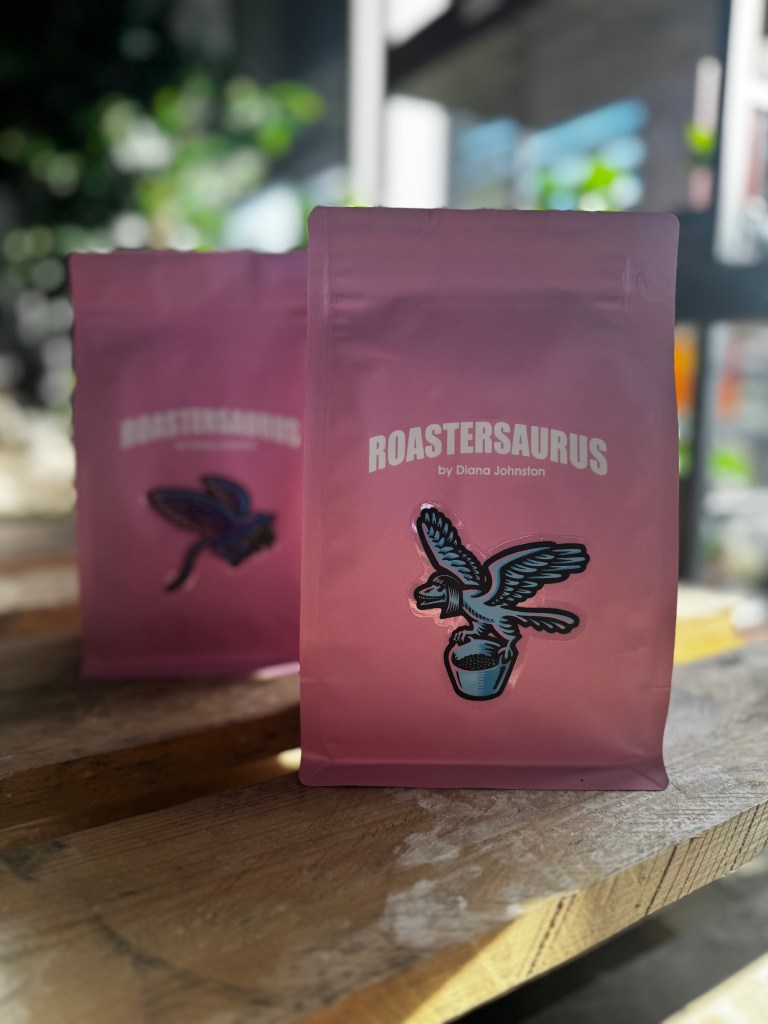
It is a small act of transformation, turning what is usually discarded into something lasting. Even the Roastersaurus stickers can be easily peeled from the bags and placed wherever you like, on your water bottle, notebook, or laptop, small fragments of story that travel with you.

It is a system that celebrates flavour, creativity, and play while keeping materials in use and stories alive.

Roastersaurus is about tasting, collecting, remembering, and sometimes, winning.
And this is only the start. Every mark on each card holds intention, more layers of the world still waiting to be decoded.

Let’s Play: A New Chapter for Roastersaurus

Today is a big moment. I’m launching the new Roastersaurus branding and, with it, something I’ve wanted to bring into coffee for a long time: playfulness. It started with the dinos, first brought to life by the talented @kill_beef, and now it continues with the new packaging and introduction of Roastersaurus cards.

Coffee often gets wrapped up in seriousness, when it should feel like a small moment of magic. I love its technical side, but I want it to feel more like play than study. That’s what Roastersaurus is about: turning coffee into a game we can explore with curiosity and fun. The stats on each card gamify the technical side, making acidity into Agility, sweetness into Charm, and aftertaste into Stamina.

For me, these cards are about more than collecting (although thats definitely on the cards 😂). They are about tapping into that inner child we all carry, the part of us that still lights up at something simple and playful. If my coffees and cards can give someone a moment of joy, a smile that lifts them out of the grind of daily life, then they are doing exactly what I hoped.

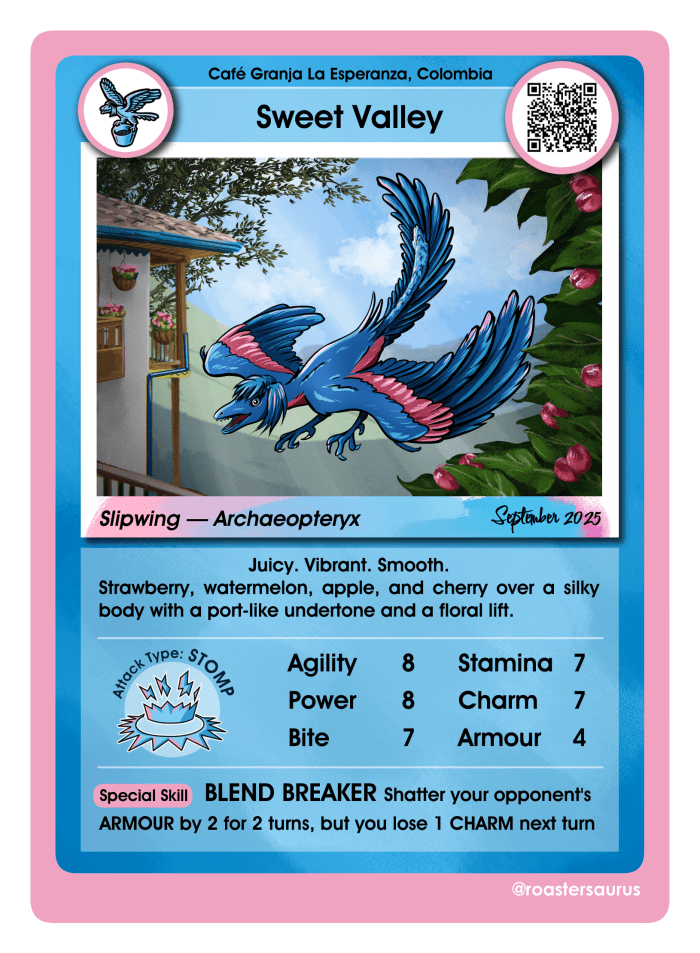
Sweet Valley, Slipwing Archaeopteryx

The first coffee to carry this new identity is Sweet Valley, from Potosí farm in Valle del Cauca, Colombia. It represents the Slipwing class, boundary-breakers who shatter the frame of what coffee should be. Sweet Valley is a blend that changes each harvest, built from a mix of varieties only the farm truly knows. What might be dismissed as chaos is in fact harmony, a vivid, fruit-driven natural that shows the playful energy of disruption.

The card artwork by @kitsukaizen captures this beautifully: the Archaeopteryx flying through the farm, pulling coffee cherries and leaves into its wake, with the house of Café Granja La Esperanza standing in the background.

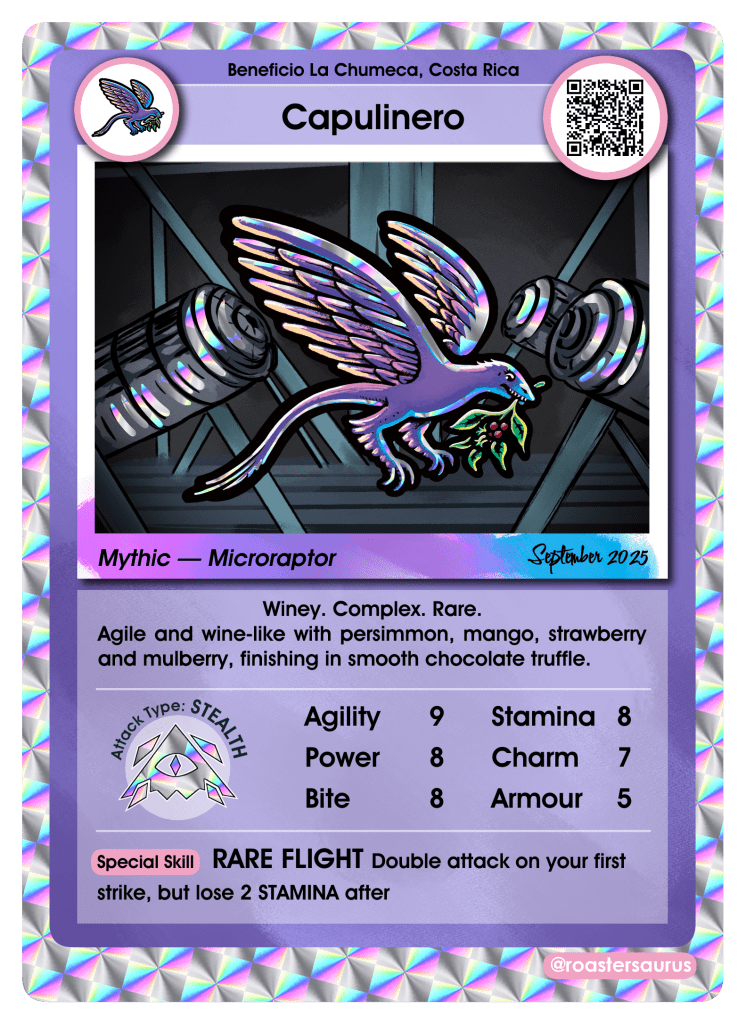
Microraptor, Mythic Capulinero

To celebrate this launch, I have also held back a tiny amount of Microraptor. Earlier this year I secured the only 24kg of Capulinero in the UK, and while most of it sold out almost immediately, I kept this last batch for today.

Microraptor represents the Mythic class, the rarest of them all. Produced at Beneficio La Chumeca in Costa Rica, Capulinero was born of an accidental three-phase fermentation shaped by sudden rains. Flocks of Capulinero birds appeared during the process and departed the moment fermentation was complete, giving the coffee its name.

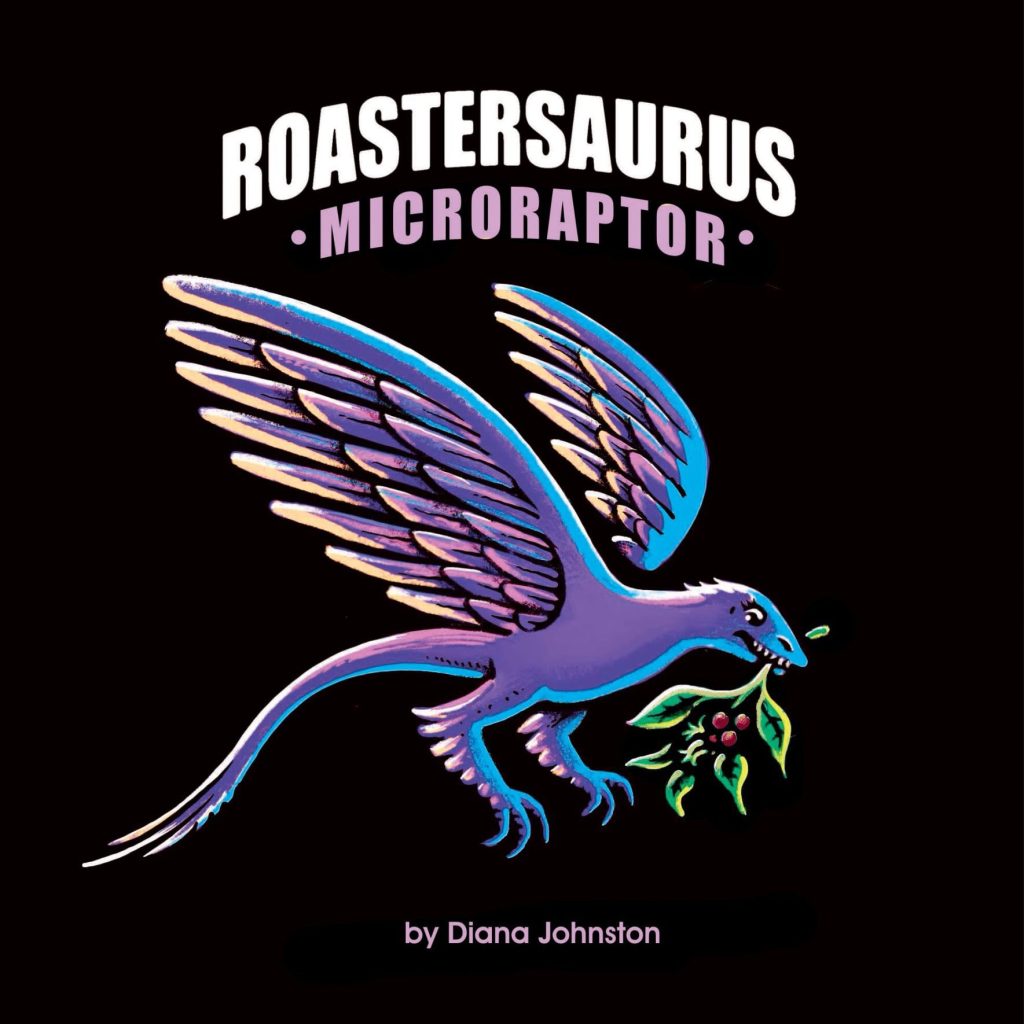
This re-release is also special because Microraptor is the first coffee to come with a foil Roastersaurus card. Just like the coffee itself, the card is scarce, precise, and one of a kind.

What the Cards Mean

Each card shows an archetype, illustrated artwork, and a set of stats. Those numbers will have their own reveals later, but for now you can think of them as levels that connect back to the cup.

  • Agility → acidity, the brightness and speed of the flavours.
  • Bite → the lively snap or winey edge that makes a sip feel electric.
  • Power → body, how commanding or delicate it feels.
  • Armour → structure, the frame that holds everything in place.
  • Stamina → aftertaste, how long the flavour echoes.
  • Charm → sweetness, the playful or elegant appeal.

It is a way of turning the technical into something characterful, almost alive. You do not just read a tasting note, you feel whether a coffee is agile, charming, or bitey. It is fun, figurative, and surprisingly intuitive once you think about it.

Every pack of these coffees comes with its own limited edition Roastersaurus card. Keep them safe. Their full meaning will unfold soon.

This is only the beginning of Roastersaurus in its new form. Sweet Valley and Microraptor open the door, but there are more archetypes, more coffees, and more adventures to come.

As a small brand, every single purchase makes a huge difference and allows me to keep building these Roastersaurus adventures. Preorders for both coffees are now open here, and stock is very limited. Collect your pack, keep and eye on instagram and this blog for the more reveals, and be part of the adventure as it grows.

Let’s play.


MEET MICRORAPTOR: RELEASED!

I’m excited to introduce Microraptor—the newest addition to the Roastersaurus line-up. Just like its namesake, a rare and elusive predator, coffees in the Microraptor collection are produced in tiny quantities, each one an exceptional find. Once again, my logo artist Santiago (@killbeef) has captured the essence of this category with elegance—wings outstretched, coffee cherry in beak—a perfect symbol for these rare and extraordinary coffees.


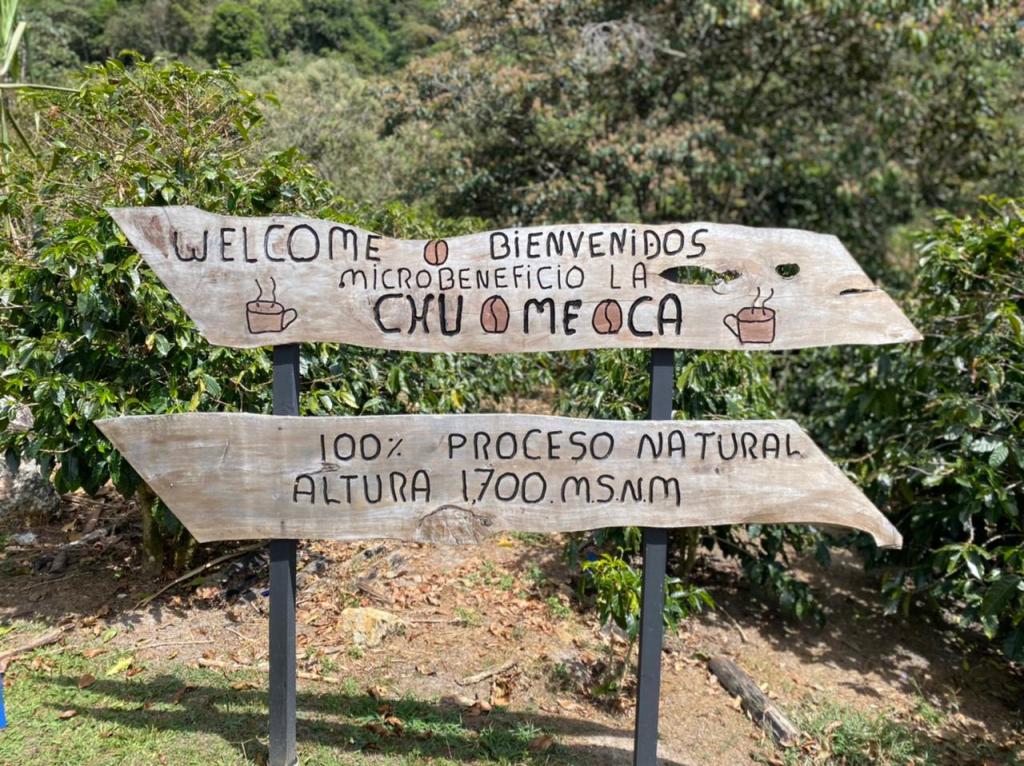
The first coffee to bear this name comes from Beneficio La Chumeca in Costa Rica, located at 1,700 meters above sea level, where they are masters of the natural coffee process. This release, Capulinero, takes its name from both the coffee’s process and the unexpected arrival of Capulinero birds, which coincided perfectly with the completion of its fermentation.


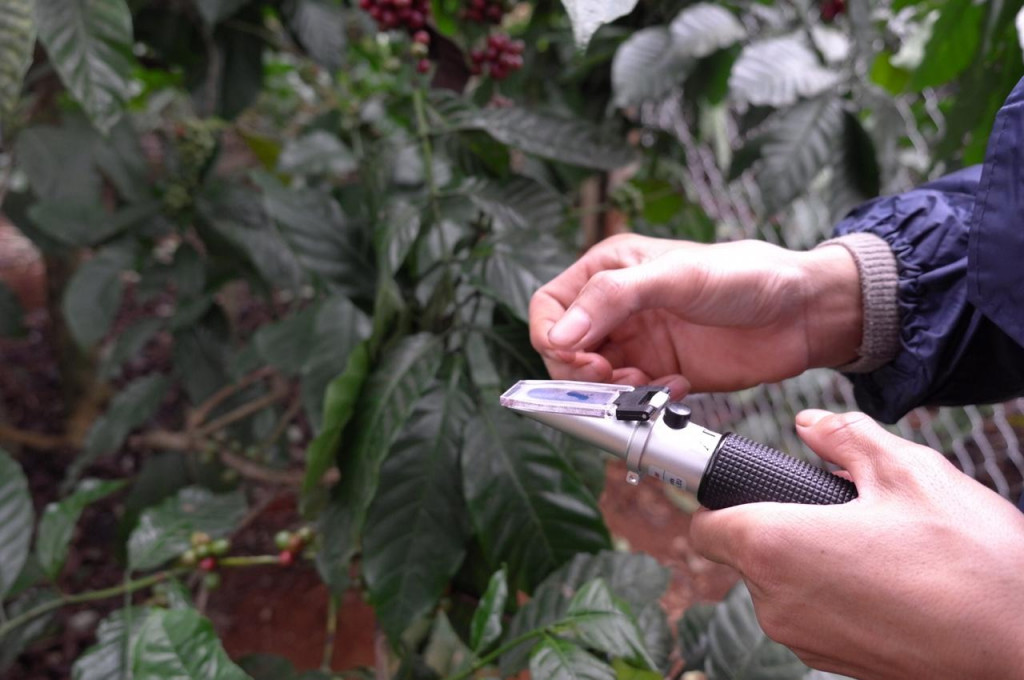
La Chumeca focuses exclusively on natural coffee, controlling every stage from soil nutrition to cherry selection. Their farms are shaded by banana and guineo trees, which slow the maturation of the coffee cherries, leading to greater sweetness and complexity while also supporting healthy soil and biodiversity. In addition the high-altitude environment further enhances the coffee’s complexity, allowing for slower cherry development and deeper flavour expression. Cherries are picked at 22 Brix, ensuring peak ripeness and maximum flavour potential.


The Capulinero process was an unexpected discovery, sparked by sudden rains. The coffee began with anaerobic fermentation in stainless steel before moving to an oxidation phase in outdoor bags. When heavy rains hit, the team had to return it to anaerobic fermentation—creating a three-phase process that was never planned. Strangely, during this time, flocks of Capulinero birds arrived on the farm, leaving only when fermentation was complete. The resulting cup was exceptional, and with such a serendipitous sequence of events, the process and coffee were named Capulinero.


What’s really cool is that they also decided to process the cascara from this coffee and did so in their ethos—by working with a neighbour who specializes in drying fruit. The cherry removed from the coffee was carefully processed to ensure the highest quality. For those who aren’t familiar, cascara is the dried skin of the coffee cherry, and it can be brewed into an infusion, similar to tea. When I first tasted the cascara, it immediately stood out as something exceptional, and I knew it was important to share both the coffee and cascara together.

Winey, Complex, Rare!


Expect a cup that evolves with every sip. It begins with lively, wine-like depth, followed by tropical notes like persimmon and mango, and a vibrant burst of berry flavours like fresh strawberry and mulberry. A rich, chocolate truffle base ties it all together. With both the coffee and cascara in this release, you’ll experience the full journey, from cherry to cup. Follow my Instagram and blog for updates on the coffee, cascara, and ways to enjoy them!

Grab your bag via my dropdown menu on this website, or simply click here.

So lets talk about Robusta.

It’s been a while since I’ve ventured into something a bit geeky, and given that I’ve roasted the last batch of TR4 Anaerobic Specialty Robusta last year, this one feels overdue. Today, we’ll explore Robusta—something we haven’t covered as much in previous blogs, but it’s about time we do so, especially in the context of specialty coffee. Before we get into that, let’s quickly recap some of the key topics we’ve covered before, as they’ll help provide some important context for today’s discussion.

A Quick Recap

About a year ago, I released An Introduction to Breeding and Coffee Plant Genetics’, a blog that covered the basics of plant breeding and genetics in coffee. If you haven’t already read it, I highly recommend it, as it’s a great way to understand how Arabica coffee came about, why it was a unique event, and the different waves of breeding that followed. The post concluded with an introduction to F1 Hybrids, showcasing them as an example of the third wave in coffee plant genetics.

I followed that up with ‘An Introduction to Selection, Stabilization, and Propagation’, where we explored how an F1 Hybrid is created, why stabilizing it is so difficult, and how stabilization is achieved. This piece goes into propagation, which will be useful for understanding some of the upcoming points about Robusta cultivation. If you haven’t read it yet, go ahead and check it out for some important context.

Robusta vs. Arabica

Now, let’s dive into the differences between Arabica and Robusta, both from a cup and genetic perspective. Most of our previous blogs have focused on Arabica, so it’s important to understand how Robusta fits into the picture.

Robusta, or Coffea canephora, is actually the parent of Arabica, and it has played a significant role in the development of the coffee industry. Vietnam remains the largest producer of Robusta, and its market share has grown over the past 50 years, largely due to its resistance to Coffee Leaf Rust (CLR). This resistance has allowed Robusta to thrive where Arabica may struggle.

Robusta’s Key Characteristics

Robusta trees can grow up to 10 meters tall, making them quite different from Arabica’s more compact structure. They thrive in lowland regions and are ideal for areas with higher temperatures, typically between 16-24°C. In fact, research over the past few years has shown that Robusta can be grown successfully in a narrower temperature range than previously thought.

Cultivating Robusta

In terms of cup profile, Robusta is often seen as having less complexity compared to Arabica. It’s generally described as having more undesirable attributes, like a more astringent or earthy flavor. However, for years, there hasn’t been much focus on improving Robusta quality, as it’s typically priced lower than Arabica. That’s beginning to change, though, as producers are starting to see the potential in Robusta when it’s given proper care.

Canephora, the species that Robusta belongs to, requires a different cultivation approach than Arabica. Unlike Arabica, which is self-pollinating, Robusta must be cross-pollinated to produce seeds. This results in a significant amount of genetic diversity within Robusta populations because it involves the crossing of genetically different parents.

As a result, Robusta doesn’t have the same established varieties like Arabica does. Instead, we refer to genetic groups of Robusta based on the regions where they are cultivated, such as Nganda in Uganda or Kouilou in Central Africa. These are not natural varieties but rather forms that have been characterized based on their unique genetic makeup.

Because of the genetic diversity in Robusta, propagation through seed tends to result in even more variability. To mitigate this, vegetative cloning (like grafting) is a much more reliable method for maintaining desirable traits, as it ensures more uniformity in the progeny.

Genetic Groups of Robusta

When we talk about Robusta in genetic terms, it’s important to note that it’s more commonly discussed in terms of genetic groups rather than varieties. There are five major genetic groups of Canephora, based on their natural distribution:

  • Group A: Found in Congo and Cameroon (S)
  • Group B: Found in Central Africa
  • Group C: Found in Central Africa and Cameroon (SE)
  • Group D: Found in Guinea and Ivory Coast
  • Group E: Found in the Congolese region

In places like DR Congo, Uganda, and Central Africa, Robusta varieties like Nganda and Kouilou are used as references for different cultivars. Interestingly, in Brazil, the name Kouilou is often used to describe a similar form of Robusta, known as Conilon.

DNA sequencing has become an essential tool in identifying and classifying these groups. By comparing the genetic sequences of different Robusta populations, researchers can understand how closely related they are, which helps in identifying their traits and mapping their distribution.

Robusta’s Role in Coffee Breeding Waves

Robusta has played a central role in one of the key waves of coffee breeding. As we’ve discussed in a previous article, coffee breeding has progressed in three major waves, with Robusta being influential in at least one of them. Canephora, in particular, is the parent of Arabica, and it has contributed to the development of hybrid varieties, especially the Timor Hybrid, which played a vital role in creating CLR-resistant cultivars. Robusta is also commonly used as rootstock for grafting Arabica onto, providing added resistance and other benefits.

The development of specialty Robusta coffees, like the TR4 Anaerobic Specialty Robusta I just roasted, is the next step in this process. By focusing on cultivation techniques and post-harvest processing methods, we can create a Robusta that brings forward more desirable flavors and complexity, much like we’ve done with Arabica over the years.

TR4 and the Future of Specialty Robusta

The TR4 Anaerobic Specialty Robusta is a prime example of what can be achieved when we approach Robusta cultivation and processing with the same care and attention to detail as we do with Arabica. With its unique anaerobic fermentation process, this Robusta brings forward a cup that has depth, complexity, and a unique profile that showcases what’s possible when we apply modern techniques to traditionally underappreciated coffees.

In conclusion, while Robusta has historically been seen as a lesser coffee compared to Arabica, it’s clear that there’s a growing movement within the specialty coffee world to explore its potential. From genetic understanding to cultivation methods, there’s a lot more to discover about Robusta—and the future looks bright for this often-overlooked species.

NEW T-REX! Back to the roots with ‘Blueberry Candy’

Did you know each dinosaur is connected to a flavour profile? As we come back around to the first dinosaur I released in 2023, the Tyrannosaurus Rex, I felt it would be fun to return to my first World Coffee Roasting Championship preparation experience. In 2019, when I won my first UK Coffee Roasting Champion title, I was working as the Head of Quality at DRWakefield, a London based family run importer.


Blueberry, Chewy, Nostalgic


At the time, most of my roasting was restricted to small probat sample roasting barrels, which while pivotal to my roasting and green knowledge, made it difficult to train for the world stage as I would need to turn batches on a six kilo Giesen for the actual championship. Luckily, I was supported by the coffee community and was invited by Red Bank Coffee Roasters to come use their space to train. While there, I had been experimenting with a few different coffees and Blueberry Candy was one of them.


I vividly remember tasting the roasts with the owner of Red Bank, and both of us being really blown away with how much it reminded us of a great tasting natural wine. We enjoyed the whole process so much so that we decided to go for a collab and release the coffee for Red Bank customers to buy. I can never express enough, the gratitude I will always have to Tom and Mick for being incredibly supportive on my journey.


I am pleased to be able to offer ‘Blueberry Candy’ as this Tyrannosaurus Rex release, seeing how well it fits with the Tyrannosaurus Rex vibe. Like the last T-Rex released, it is complex, chewy, and big. While there is less of that natural wine characteristic that existed back in 2019, I do feel there is a bit more complexity and sweetness. 


The coffee is an H3, planted in 2015 and produced as part of the first wave of F1 varieties. It is a cross between Caturra and Ethiopian landrace varieties, supporting its cup quality, and it has been naturally processed. These cherries have been hand-picked, and then set to dry in two stages at low temperatures in order to enhance the fruitiness of the coffee.

I wanted to preserve the liveliness in the cup, while capturing a sweetness that I felt would support the already bright notes. For this I decided to try a different approach than the one I had in 2019, and the result has been quite delicious.


I found the cup to be full of berries, with notes of blueberry and redcurrant, candy like notes akin to a nostalgic lime Starburst, big and chewy like a Bakewell tart, and cooling into notes of honey, Madagascan chocolate, amaretto and dried papaya. But let me know what you’re tasting, as the batch I’m describing was just roasted and I’m sure it will open up even more after about a month of resting!

And just a kind reminder- if you are UK based you will have free shipping if you order two bags and they can be two different coffees 🙂

Grab your bag via my dropdown menu on this website, or simply click here.

MEET LONGNECK: RELEASED!

We continue our adventures together with a new character to add to the Roastersaurus brand; The Longneck!

And with that a couple exciting things! Firstly, while this coffee is going to be shipping from the 8th of October (pre-order now!) a limited amount of bags will be available for pickup during the week of Cafe Culture (October 2nd onward) at the Saint Espresso in Angel Central shopping center. Simple select the product titled ‘pickup’ (here), and select pick-up as the shipping option. For those still wanting delivery your link is here, and then select your delivery shipping choice, or here if you wanna see the whole shop to grab multiple bags an benefit form free shipping. The other exciting thing is that I have a very small amount of this coffee available for wholesale, so get in touch (diana@senseitlondon.com or @roastersaurus) if this interests you or if you know a cafe that might love this coffee! I’d feel honoured to be served or sold in your space! Now about the coffee:


Purple-Blue, Chewy, actually Sweet!


Having worked for many years as the Head of Quality for a green coffee importer, often quality grading somewhere on average of 30 different coffees a day, you would think I would have experienced everything. But one of the most exciting things about specialty coffee is that it’s ever developing, and every so often an emerging origin rises up to surprise us. Rest assured, it isn’t a coincidence that this happens though, as a change in the perception of quality of a whole origin is the fruit of the hard work of individuals with a vision.  And so is the story of this coffee; a micro-lot from the ‘Pearl of Africa’; from the Sironko Station in East Uganda


The story begins with Kenneth Barigye, a man who had a vision to change the world’s perception of Ugandan coffee. Barigye understood the potential of the region, and so he decided to establish the Mountain Harvest project in 2017. He formed a team of individuals, both by training local coffee professionals as well as recruiting from abroad, and began to standardise systems to improve quality and consistency. Recognising the potential due to Mt Elgon’s abundant sunlight and fertile volcanic soil, Sironko station was established at the base of the mountain, becoming the major research hub for the Mountain Harvest project. The result of all of this hard work: this stunning coffee.


You will notice the coffee is called ‘pure natural’, and this is to indicate that the coffee has indeed undergone a truly traditional natural process rather than one of the hybrid types that have recently become popular in some of the more well established specialty coffee origins. Ripe cherries, having been picked at a minimum of 18 brix, are funnelled from some of the most isolated communities of the mountain, namely Yilwanako Mayiyi, Buginyanya, Bushiyi, Makali, Bukalasi, and Sipi and sent directly to raised beds for drying to around 10% moisture. 


This coffee is incredibly sweet, so we felt it would be well represented by the Long-necks of the dinosaur world. And my absolute favourite part; the artist (@killbeef) further amplified that sweetness by giving the dinosaur the adorable eyelashes you see depicted in the image. The dinosaur is also taking care to water some baby coffee plants, helping grow a future generation of delicious coffee, and reminding me of myself and all my little coffee plants I am currently growing in the roastery (Roastersaurus 2029 release?). 

To retain and amplify the sweetness while supporting it with a fruit forward character I went for a minimal soak and hit it with less gas than usual as this coffee carries energy well (peak rate of rise around 29.5 at ROR60sec). I then retained that setting for quite a while in order to allow pressure to build up in the bean, before making gradual graceful cuts to gently coast this natural coffee’s rate of rise down to around 6 (ROR60sec). Like the last coffee, this coffee is roasted on a relatively lower drum speed as well, contributing to the complexity in the cup.


I did the profiling roast for this coffee on a Friday, and didn’t want to wait until the Monday to taste it as I wanted to see how the journey would be from freshly roasted to properly rested. Initially the coffee was full of jammy red fruits like strawberry and apple, but also chewy and reminding me of an eton mess. As we returned to brew and taste the coffee the week after roasting, and as it had rested, the flavours shifted toward more blue and purple colours. As I write this now, I am enjoying some of it in my cup, brewed on the origami, and its aroma reminds me of bubblegum! It has this jammy blackberry quality, with a hint of blueberry juiciness and a black sable grape sweetness. It is chewy. It is round. And did I mention it is sweet?!. 

Grab your bag via my dropdown menu on this website, or simply click here.

Watch this space as I’ll be looking to write more about Mountain Harvest project, as well as some of the pending posts on some of the other coffees I have available to purchase!